
You’ve got a bag of frozen broccoli sitting in your freezer, and you’re tired of soggy, bland results. Here’s the truth: you don’t need fancy techniques or fresh produce to make vegetables worth eating.
I’ve cooked frozen peas, green beans, and mixed blends hundreds of times, and the difference comes down to heat, timing, and one critical mistake most people make. You can roast, steam, or sauté your way to crisp-tender vegetables that actually taste like food.
Want to know which method works best for your schedule, your equipment, and your patience level? Keep going. The ten steps ahead will change how you use your freezer.
Should You Thaw Frozen Vegetables Before Cooking?
Why thaw frozen vegetables when you don’t have to? You can cook them straight from frozen. This preserves their texture and crunch.
Cook frozen vegetables straight from the bag—no thawing required. Better texture, better crunch, less hassle.
Best For: Stir-fries, roasting, steaming
Thawing often makes vegetables soggy. You lose water-soluble vitamins too. The texture suffers when ice crystals melt and sit.
When Thawing Makes Sense
Some recipes need controlled moisture. You might thaw for:
- Casseroles
- Certain sautés
Safe Thawing Methods
- Refrigeration overnight
- Cold water bath
- Microwave, then cook immediately
Best For: Dishes where excess water ruins results
Your cooking method should guide your choice. Thawing affects texture and final results. Consider what you’re making before you decide.
Skip thawing when you want crisp results. You’ll save time and eat better vegetables.
Recommended Products

BPA-Free Silicone Steamer Basket with Lid:This AODISTUCE microwave steamer is made from premium food-grade, BPA-free silicone and withstands high temperature up to 446°F/230°C. Designed for safe microwave cooking, it won’t melt or release harmful chemicals like plastic steamers. A safer, reusable, and eco-friendly solution for healthy everyday meals

One 10.8 oz bag of Birds Eye Steamfresh Broccoli Cuts Frozen Vegetable

BPA-Free Silicone Steamer Basket with Lid:This AODISTUCE microwave steamer is made from premium food-grade, BPA-free silicone and withstands high temperature up to 446°F/230°C. Designed for safe microwave cooking, it won’t melt or release harmful chemicals like plastic steamers. A safer, reusable, and eco-friendly solution for healthy everyday meals
How to Cook Frozen Broccoli (3 Ways)
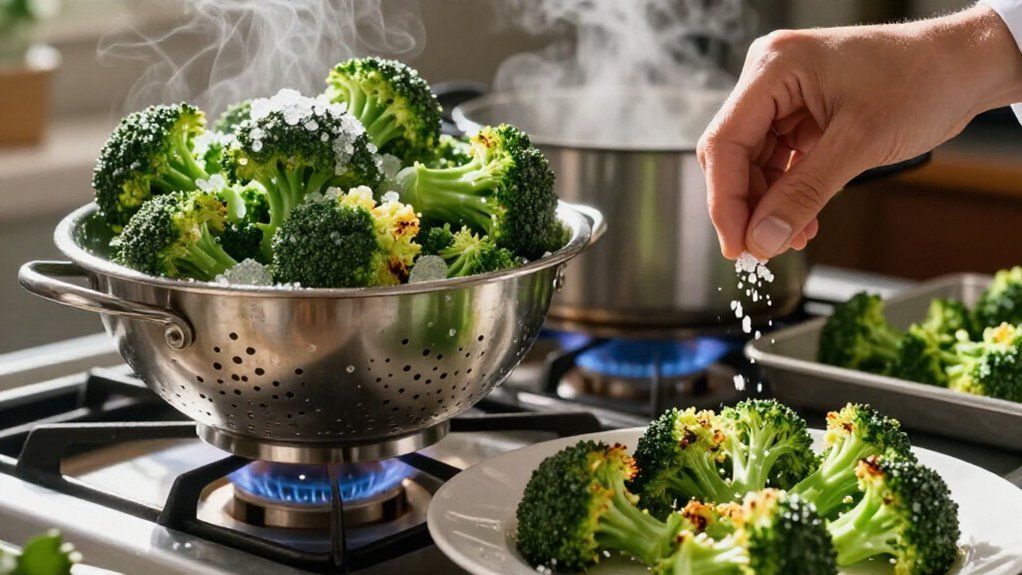
Frozen broccoli works directly from the bag. Skip thawing; it preserves texture and prevents sogginess. You’ve got three solid cooking methods to choose from.
Steam
Place frozen broccoli in a steamer basket. Cook 5 to 7 minutes until tender-crisp. Season with salt, pepper, and lemon juice.
Best For: Quick weeknight sides, meal prep.
Sauté
Heat oil or butter in a skillet over medium-high heat. Add frozen broccoli; cook 5 to 7 minutes until browned. Add garlic or paprika for extra flavor.
Best For: Crisp-tender results, stir-fries.
Roast
Spread frozen broccoli in a single layer on a baking sheet. Roast at 400°F for 15 to 20 minutes, tossing halfway. Finish with Parmesan for crispiness.
Best For: Maximum crunch, sheet-pan dinners.
Test doneness in the final minutes. Remove when florets turn bright green and feel slightly tender. You’ll keep the crunch intact.
Recommended Products

Naturals commercial bakeware is made of pure aluminum which will never rust for a lifetime of durability. Foods bake and brown evenly due to aluminum’s superior heat conductivity

CRISPY BAKING SHEET SET: Ensure crisp results every time in the oven. This 15 x 10.5-inch nonstick baking pan and wire rack is great for crisping bacon, chicken, wings, fries, chips, and much more

Wide head scoops more food off sheet pans with minimal mess
How to Cook Frozen Peas Without Mushiness
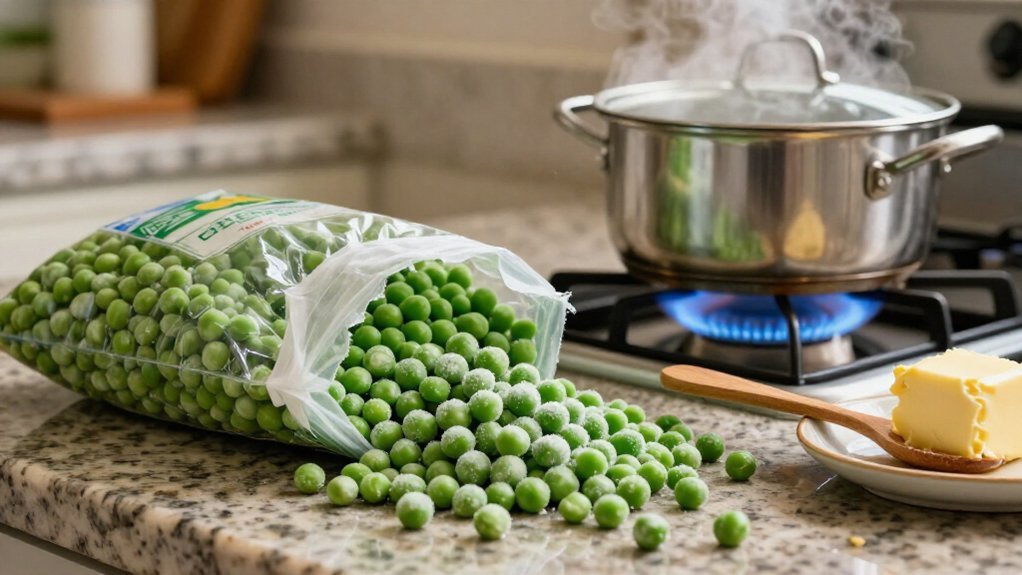
You want frozen peas that snap instead of sag, so picking the right cooking method and watching the clock matters most. Steam them quickly, sauté them hot, or toss them in a screaming-hot wok, but don’t walk away. Pull them while they’re still bright and firm, and you’ll never eat mushy peas again.
Recommended Products
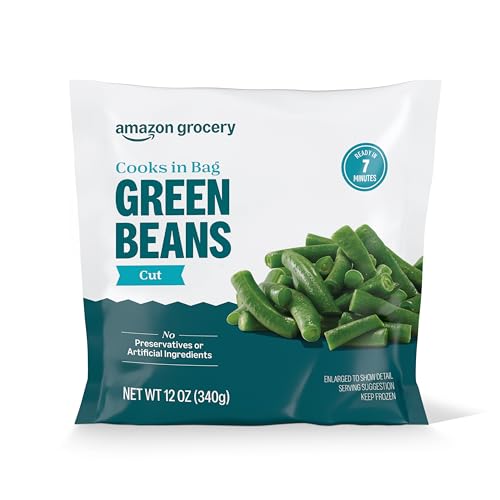
One 12 ounce bag of Frozen Cut Green Beans

Brought to you by Whole Foods Market
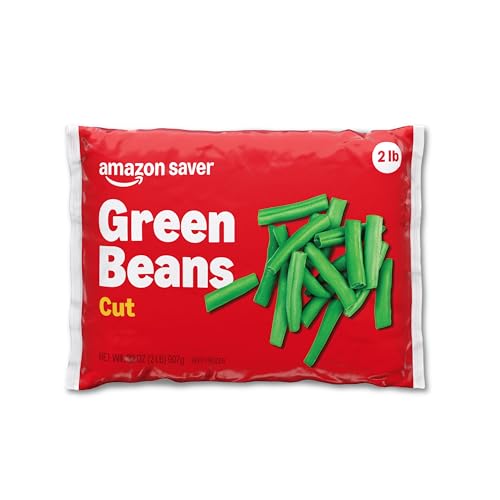
One 32 ounce bag of Frozen Cut Green Beans
Cooking Method Selection
The right cooking method makes all the difference between peas that pop and peas that flop. When you’re cooking frozen vegetables, you’ve got two solid paths to keep peas firm and bright.
Steam Your Peas
Place a steamer basket over one inch of boiling water. Add your peas directly, cover, and let steam work its magic. This method locks in nutrients and crunch. Best for: weeknight sides when you want minimal fuss.
Sauté for Flavor
Heat a tablespoon of oil or butter in a skillet over medium-high heat. Toss in peas cooking from frozen, stirring frequently. The quick blast of dry heat builds flavor while fighting sogginess. Best for: fried rice, pasta tosses, or when you want caramelized edges.
Avoid the Thaw
Skip defrosting entirely. Thawing releases water that steams peas into mush. Cook straight from the freezer every time.
Water Method Backup
If you must use water, cover your pan tightly. Use just enough liquid to create steam, then drain immediately when peas turn bright green.
Timing and Texture
Why do frozen peas turn to mush so fast? You cook them too long. Frozen vegetables like peas need precise timing to keep their texture intact.
Steaming (Best For: Maximum crispness)
Steam frozen peas in a single layer for 3 to 8 minutes depending on size. You’ll preserve snap and bright color without sogginess.
Sautéing (Best For: Flavor depth)
Cook from frozen, don’t thaw. Use medium-high heat with oil or butter for 5 to 7 minutes until edges brown slightly. This method locks in texture and nutrients.
The Doneness Test
Taste peas in the last minutes. They should feel tender but firm, almost al dente. Once hot throughout, pull them off heat immediately. Overcooking destroys texture and vitamins. You’re aiming for peas that hold their shape when you bite.
How to Cook Frozen Green Beans and Mixed Vegetables
How quickly do you need dinner on the table? Frozen vegetables like green beans and mixed vegetables cook straight from the freezer, no thawing required.
Stovetop Method
Melt butter in a skillet over medium heat. Add your frozen vegetables; green beans and mixed vegetables both work here. Cover and cook 3, 4 minutes. Uncover, raise heat to evaporate excess liquid, and season with salt and black pepper.
Flavor Variations
Add minced garlic for an aromatic finish. Sprinkle red pepper flakes if you want heat. Stir in shredded cheese and let it melt for a richer dish.
Best For: Weeknight sides that need to be ready in under 10 minutes.
Repeat this process for consistent results every time.
Recommended Products
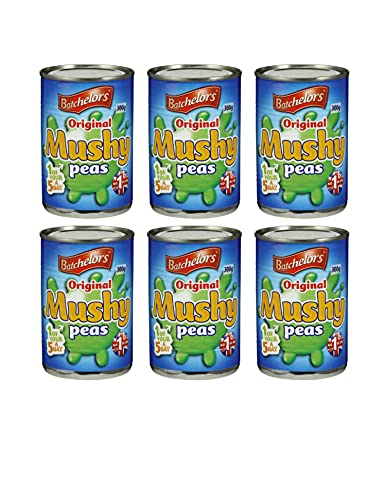
Batchelors Original Mushy Peas 300g, (Pack of of 6)

Imported

British Foods, Batchelor's Original Mushy Peas 300g.
Steam Frozen Vegetables for Meal Prep
Stovetop skillets work fast, but steaming gives you a different advantage when you’re prepping lunches for the week. Steaming frozen vegetables preserves nutrients better than other methods, especially for delicate items like peas.
Speed isn’t everything—steaming preserves nutrients that skillets can lose, especially in delicate peas.
Best For: Weekly meal prep, nutrient retention
How to Steam Frozen Vegetables
- Boil water in a pot
- Place a steamer basket over it
- Add frozen vegetables directly; do not defrost
- Cover and steam for 3 to 8 minutes depending on type and size
Check doneness by tasting a piece during the last minutes. This prevents overcooking and sogginess.
After steaming, season your vegetables and add a squeeze of lemon for brightness, if desired. You’ll maintain better texture when you cook straight from frozen.
Best For: Batch cooking, healthy lunches
Recommended Products

Bloom is the updated model of the previous Lotus steamer

FITS PRESSURE COOKERS, POTS & AIR FRYERS – Compatible with most pressure cookers, regular pots, and air fryer ovens. Designed for 6 and 8 quart sizes—covers most standard cookware.
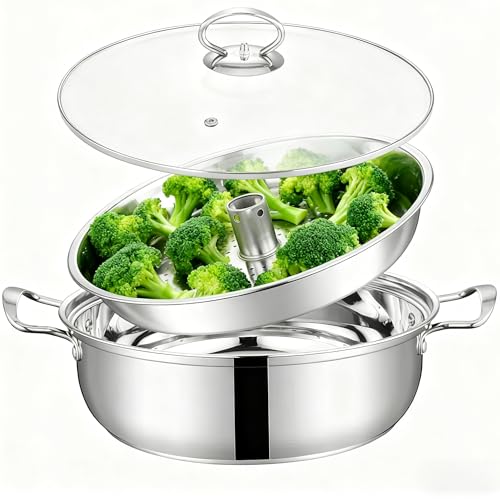
Engineered for Steaming Broccoli Just Right Purpose-built for vegetables like broccoli, with a focused steam pathway for quick, even cooking.
Sauté Frozen Vegetables for Quick Weeknight Dinners
Grab a skillet and turn up the heat when you need dinner on the table fast. Start with a hot skillet, add a knob of butter or a splash of oil, and melt over medium heat. Toss in frozen vegetables directly from the bag. You don’t need to thaw them first. Cook for 3–4 minutes to melt the ice.
Remove the lid, increase heat to medium-high, and sauté 5–7 minutes until vegetables brown and moisture evaporates. For extra texture, add a light splash of water or stock during cooking to maintain crunch without sogginess.
Season with salt, black pepper, and a squeeze of lemon or your favored spices for a quick flavor boost. This method delivers crisp-tender vegetables in under fifteen minutes, perfect for busy weeknights when time matters most.
Recommended Products

✔️ WHY CHOOSE ALUMINUM FOR BAKING - Our 0.8mm thick aluminum roaster oven pan provides superior heat conduction, extra longevity and durability, on top of the corrosion and rust-resistant property of aluminum. The large nonstick rack is made from carbon steel with nonstick coating, the whole will resist baking safely at 450℉.
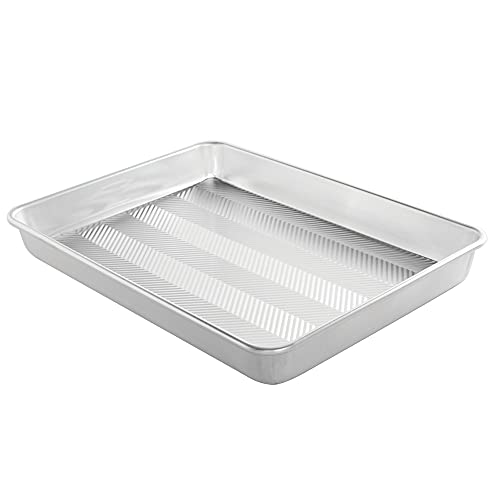
Better Airflow for Crisping

INGENUITY DIAMOND TEXTURE - The cookie sheet pan set has a diamond texture on the base increases its non-stick properties and ensures even and quick heat airflow to the cookie, which makes the cookies consistently baked without any over or undercooked parts.
Roast Frozen Vegetables Until Actually Crispy
You want crispy roasted vegetables, not soggy disappointment. Start by prepping for crispiness: preheat your oven to 425°F and line a half-sheet pan with parchment paper. Spread your frozen vegetables in a single, uncrowded layer, toss with oil and seasonings, then roast in two 5–10 minute intervals with a toss in between.
High Heat Secrets
- Roast at 425°F for maximum browning
- Broil the last 2–3 minutes for extra crunch
- Use a dark, heavy pan if you’ve got one
Avoid Sogginess Tricks
- Don’t thaw vegetables first; they’ll steam
- Space pieces apart; overlap causes steaming
- Pat excess moisture with a paper towel if ice crystals cling
Best For: Broccoli florets, Brussels sprouts halves, cauliflower, and root vegetable mixes.
Finish with parmesan or lemon while they’re hot. Want faster results?
Recommended Products

One 10 oz bag of Birds Eye Steamfresh Cut Green Beans Frozen Vegetable

One 10 oz bag of Birds Eye Steamfresh Seasoned Steakhouse Green Beans

Brought to you by Whole Foods Market
Prep for Crispiness
Why do frozen vegetables so often turn out soggy? You’re overcrowding the pan and trapping steam. Stop that. You want crispiness, you prep right.
Best For: Weeknight dinners, meal prep, anyone who hates mushy broccoli.
Preheat your oven to 425F. Line a baking sheet with parchment paper. You’ll prevent sticking and save yourself scrubbing later.
Spread frozen vegetables in a single layer. Don’t pile them up. Give them space or they’ll steam, not roast.
Skip the thawing. Cook them straight from frozen. Use a thin drizzle of olive oil, just enough to coat. Less moisture means more crunch.
Roast 5–10 minutes, then pull them out. Drizzle oil and season. Back in for another 5–10. Want extra browning? Broil on high for 2–3 minutes at the end. Watch them close. You want crisp edges, not char.
High Heat Secrets
What’s the real trick to frozen vegetables that crunch instead of sag? You blast them with high heat and give them space.
The Setup
Spread your frozen vegetables in a single layer on a parchment-lined sheet. Do not overcrowd the pan. Crowding traps steam, and steam kills crispness.
The Method
Roast at 400°F for 5–10 minutes. Pull the sheet out, drizzle oil and seasonings, then slide it back for another 5–10 minutes. The edges brown. The surfaces crackle.
Best For: Broccoli florets, cauliflower, Brussels sprouts.
The Final Blast
For extra crunch, finish under the broiler on high briefly. Watch closely. Deep caramelization develops fast. You can also sprinkle Parmesan during this stage. It melts into a savory, crispy crust.
Avoid Sogginess Tricks
Use a half-sheet pan or larger. You need room to spread frozen vegetables in a single layer without crowding. Overcrowding traps steam and creates sogginess, so don’t do it.
Line your pan with parchment paper or a silicone liner. This prevents sticking and stops soggy bottoms from forming. You want browning, not steaming.
Do not thaw your frozen vegetables first. Ice-free surfaces help you get that crisp texture. Moisture is your enemy here.
Toss or flip once during roasting. This keeps moisture from building up in one spot and creating soggy patches.
Roast at 400°F with olive oil and seasoning for even browning. Cook 5–10 minutes, then add oil and seasonings, return for another 5–10 minutes. Finish with a brief high-heat broil for extra crispiness.
You’ve got this. Crispy frozen vegetables beat soggy ones every time.
Season Frozen Vegetables So They Taste Fresh
Frozen vegetables often taste flat right out of the bag. You can fix this with smart seasoning that brings them back to life.
Build Flavor in Stages
Start with a light salt during cooking to draw out moisture. Add smoked paprika for depth that mimics fresh-roasted taste. You’ll taste the difference immediately.
Finish Strong
A sprinkle of parmesan adds savory richness. A squeeze of lemon right before serving gives you that bright, fresh flavor you’re missing. Toss in fresh herbs at the end for maximum impact.
Best For:
- Steaming: Season after cooking
- Sautéing: Add spices mid-cook
- Roasting: Salt early, finish with parmesan and lemon
You avoid blandness by not overcooking. Time it right, and you’ll forget they were ever frozen.
Recommended Products

Bachelors Mushy Peas an Irish favorite!
Bachelors Mushy Peas an Irish favorite!

Batchelors Mushy Peas Original, 300 g (Pack of 2).
Frozen Vegetable Recipes for Complete Meals
You’ll want solid meal planning strategies that make frozen vegetables the star of your plate, not just a side afterthought. Start by stocking 12-oz bags of broccoli, bell pepper strips, and peas, then pair them with proteins you’ve already got on hand.
Here are quick recipe ideas that turn those bags into complete dinners in under 30 minutes.
Recommended Products


BPA-Free Silicone Steamer Basket with Lid:This AODISTUCE microwave steamer is made from premium food-grade, BPA-free silicone and withstands high temperature up to 446°F/230°C. Designed for safe microwave cooking, it won’t melt or release harmful chemicals like plastic steamers. A safer, reusable, and eco-friendly solution for healthy everyday meals

HEALTHY MEALS IN UNDER 10 MINUTES:This microwave steamer for vegetables cooks fresh or frozen veggies (broccoli, carrots, cauliflower, etc.), seafood, dumplings,rice, leftovers, soup, fish, chicken, and more—in just 2-10 minutes.
Meal Planning Strategies
How often do you stare into the fridge at 6 p.m. with no plan and zero energy? You solve this with frozen vegetables and smart meal planning. You build complete plates fast when you pair them with proteins and starches you already have.
Best For: Busy Weeknight Dinners****
You streamline your week when you portion frozen vegetables into recipe-sized bags on Sunday. You grab, cook, and eat without decision fatigue.
Mix colors and textures: carrots, peas, corn, and green beans boost nutrition and visual appeal. Pair with chicken, beans, or grains for balanced, complete meals. Use stir-fry, skillet sauté, or sheet-pan roasting to bring out flavor with herbs and seasonings.
You save time and eat better. You control portions, reduce waste, and never stare into an empty fridge again.
Quick Recipe Ideas
Once you’ve sorted your weekly plan, you’re ready to build actual meals. You can cook frozen vegetables directly from frozen without thawing, which preserves texture and cuts moisture loss.
Best For: Complete Meals
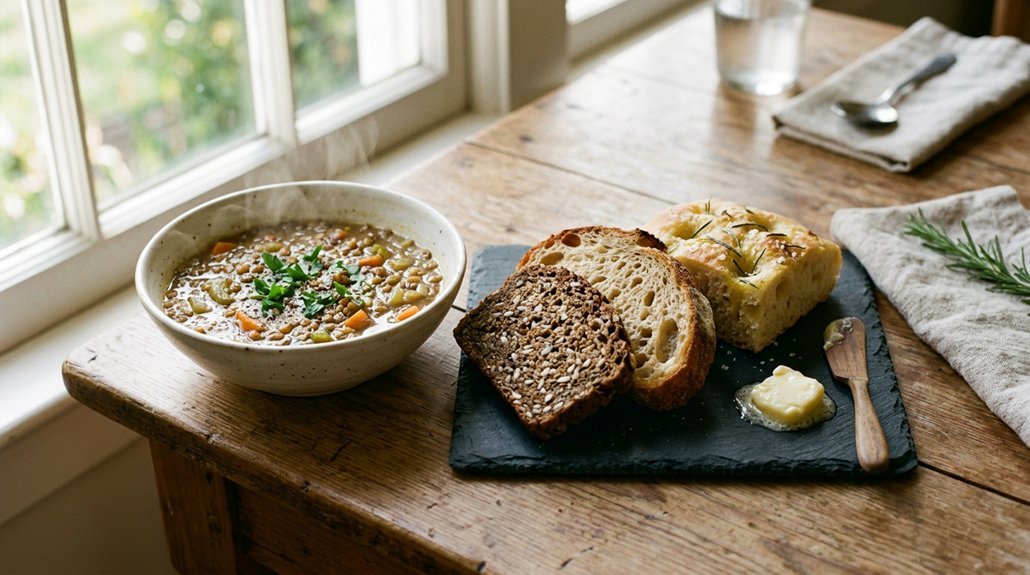
- Easy Frozen Vegetable Soup: Simmer peas, corn, and green beans in broth for 20 minutes. Add pre-cooked chicken or tofu for protein.
- Frozen Vegetable Stir Fry: Sauté your mix for 5–7 minutes in oil, then toss with homemade sauce. Serve over rice.
- Easy Side Dish: Roast frozen vegetables at 400°F on parchment in a single layer. Finish with Parmesan for crisp results.
Best For: Speed
Steam delicate veggies to preserve crispness. Sauté or roast when you want deeper flavor through browning. Squeeze lemon over the top for brightness.
Store and Reheat Leftover Frozen Vegetables
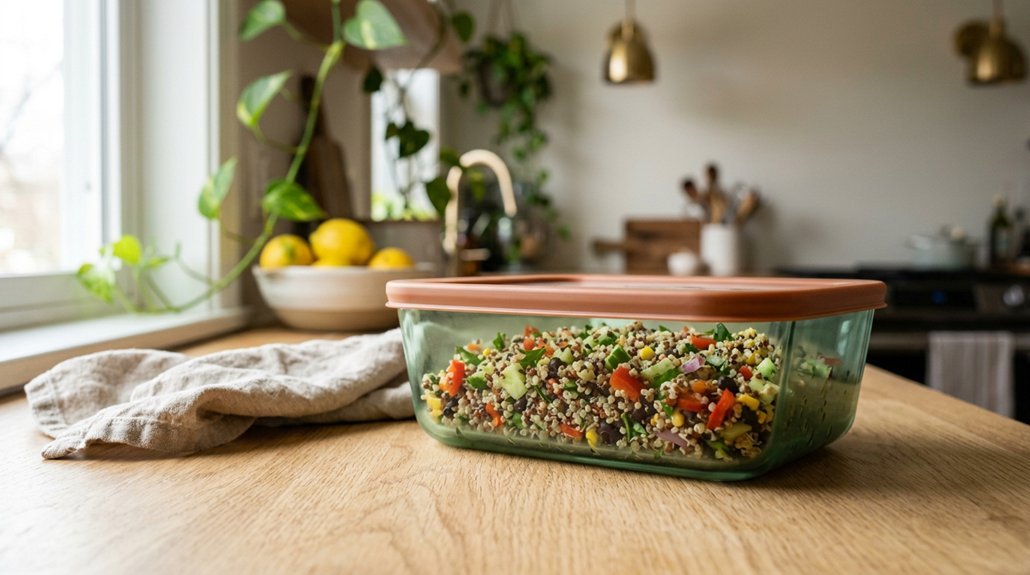
Because you’ve put in the effort to cook your frozen vegetables right, you’ll want to make the most of every bite. Transfer cooked frozen vegetables into an airtight container while they’re still slightly warm, then refrigerate them promptly. You’ll keep them safe and fresh for up to 4 days.
Label each container with the date so you know exactly when you stored them.
When you reheat leftovers, you’ve got two solid options. Use the stovetop or microwave, and heat until they’re steaming hot throughout. Don’t refreeze cooked vegetables after they’ve thawed; this ruins texture and risks safety.
- Best For Quick Meals: Microwave reheating in 30-second bursts, stirring between each interval
- Best For Crispness: Stovetop reheating in a skillet with a splash of water
- Best For Food Safety: Eating within 4 days and tracking dates on every container
Stop reheating once they’re just heated through. Overcooking turns your vegetables mushy, and you’ve already done the work once.
Recommended Products

【FOOD SAFETY】Joyfair baking sheets are made of premium stainless steel without any harmful coating, Wouldn't release chemical substances at high-temperature, Provide you healthy bakewares, Great replacement for aluminum and non-stick coating pans, Rust free and healthy for your daily use
![Quarter Sheet Pan with Cooling Rack Set [2 Baking Sheets + 2 Baking Racks], CEKEE Stainless Steel Cookie Sheets for Baking and Wire Rack - Rust & Warp Resistant & Nonstick, Size 12 x 9.8 x 1 Inch](https://m.media-amazon.com/images/I/51bCW7VK2dL._SL500_.jpg)
PERFECT AND COMPLETE SET: CEKEE quarter baking sheet with rack sets are 4 PIECES , which includes 2 baking pans: 12.59 × 9.84×1.18 Inch, 2 Wire Racks: 11.57×8.97 Inch. This quarter sheet pan with cooling rack is perfect combo, which can help you for baking or cooking favorite food

Dimensions: 13 inch x 18 inch