
You’ve probably ruined more frozen vegetables than you care to admit. Don’t worry; most people do. The truth is, you can cook them straight from the bag without thawing, and you’ll save time while keeping better texture. You just need to know which method matches your dinner.
Best For Quick Weeknights
- Stir-fries: Cook from frozen in a hot wok or skillet
- Soups and stews: Add directly to your simmering pot
Best For Crisp Results
– Roasting: Preheat to 450°F, spread in a single layer on parchment, and don’t touch them for 15 minutes
The real secret? Stop crowding your pan. Click here to learn the four mistakes that turn frozen vegetables mushy. Click here to see 10 dinners built around your freezer stash. You’ll never look at that bag of peas the same way again, but first you need to know which technique saves your weeknight, and which one wastes it.
Thaw or Cook From Frozen? The 30-Second Decision Guide
Why waste time second-guessing your frozen vegetables? You’ve got options, and they’re simpler than you think.
Cook From Frozen
Most frozen vegetables go straight from bag to pan. You’re saving time and skipping extra steps. Stir-fries, soups, and stews handle this beautifully. Check your packaging directions first; some brands specify.
Thaw When It Matters
You’ll want thawing for casseroles or when moisture control counts. Excess water ruins textures you care about.
Safe Thawing Methods
Never leave vegetables on your counter. You’re risking food safety. Instead, use your refrigerator, cold water, or microwave with immediate cooking to follow.
Adjust Your Approach
Skip thawing, extend cooking times slightly. Thaw first, cook promptly to protect nutrients and texture. Your recipe decides: read it, trust it, execute.
Recommended Products

【UPGRADE DESIGN & QUALITY 】- The steamer basket with premium food grade stainless steel petals design, Steaming is a healthy cooking choice because it helps retain more than 90% of the nutrients lost when boiling.

Contains (1) PrepSolutions Mini Microwave Steamer in Gray. Perfect as a holiday gift!
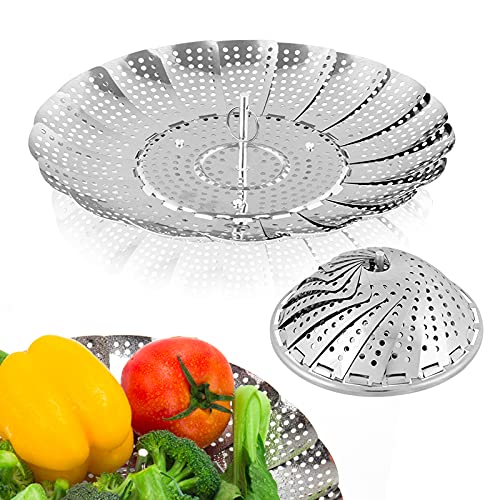
【UPGRADE DESIGN & QUALITY 】- The steamer basket with premium food grade stainless steel petals design, Steaming is a healthy cooking choice because it helps retain more than 90% of the nutrients lost when boiling.
Roast Frozen Vegetables: The High-Heat Method That Beats Fresh
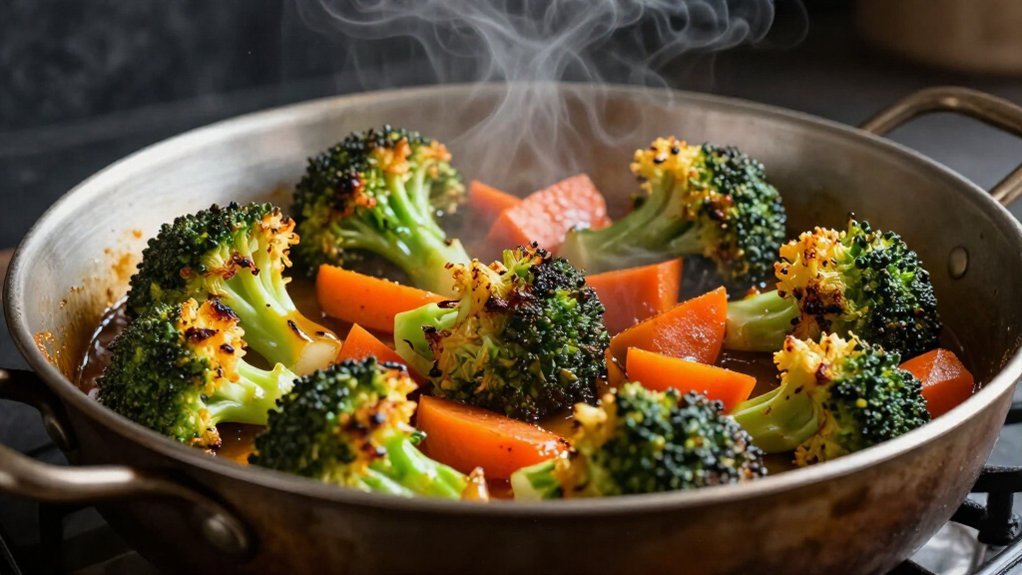
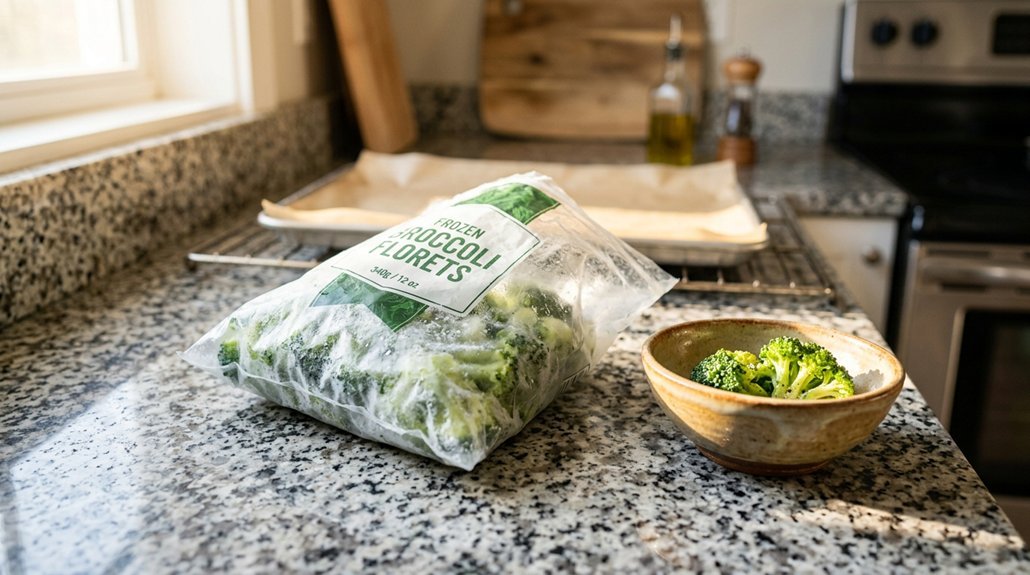
How do you turn a bag of frozen broccoli into something that outshines the fresh stuff at the farmers market? You crank your oven to high-heat roasting at 425–450°F and trust the process.
Best For: Weeknight dinners, meal prep, maximum crispiness
Start with a parchment-lined baking sheet. Spread your frozen vegetables in a single layer. Don’t crowd them. Drizzle with oil and add your toppings and seasoning before they hit the oven. Matching cooking time matters: pair broccoli with cauliflower for even cooking, not carrots.
Roast 15 minutes undisturbed. Toss once, then finish 5–10 minutes. Watch closely. You’re chasing crispy edges, not mush.
Some cooks skip parchment for extra crunch. You’ll learn what works in your oven.
This method turns ice-crystal produce into caramelized, restaurant-quality results.
Recommended Products

CRISPY BAKING SHEET SET: Ensure crisp results every time in the oven. This 15 x 10.5-inch nonstick baking pan and wire rack is great for crisping bacon, chicken, wings, fries, chips, and much more
![Quarter Sheet Pan with Cooling Rack Set [2 Baking Sheets + 2 Baking Racks], CEKEE Stainless Steel Cookie Sheets for Baking and Wire Rack - Rust & Warp Resistant & Nonstick, Size 12 x 9.8 x 1 Inch](https://m.media-amazon.com/images/I/51bCW7VK2dL._SL500_.jpg)
PERFECT AND COMPLETE SET: CEKEE quarter baking sheet with rack sets are 4 PIECES , which includes 2 baking pans: 12.59 × 9.84×1.18 Inch, 2 Wire Racks: 11.57×8.97 Inch. This quarter sheet pan with cooling rack is perfect combo, which can help you for baking or cooking favorite food

【Healthy Material】 The baking sheet with wire rack are made of high quality stainless steel without any chemical coating, wouldn't create chemicals at high-temperature baking, great replacement to aluminum pan, rust free and healthy for your daily use.
Steam or Sauté: When to Skip Roasting (And How)
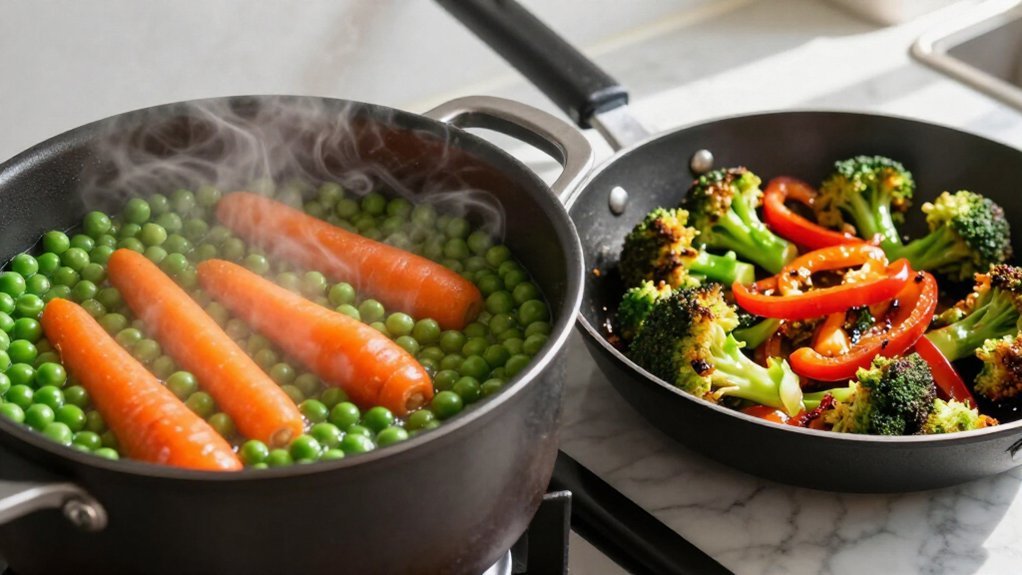
Sometimes the oven isn’t your friend. When you’re cooking delicate vegetables, roasting’s high heat can wreck what you’re after. You’ve got better cooking methods at your disposal.
The oven isn’t always your friend—gentler methods keep delicate vegetables from getting wrecked by high heat.
Steam or Sauté: Your Go-To Moves
- Steam frozen vegetables like peas when texture matters most. You’ll preserve that snap and keep things bright. Don’t overcook; check doneness in the final minutes and test with a fork.
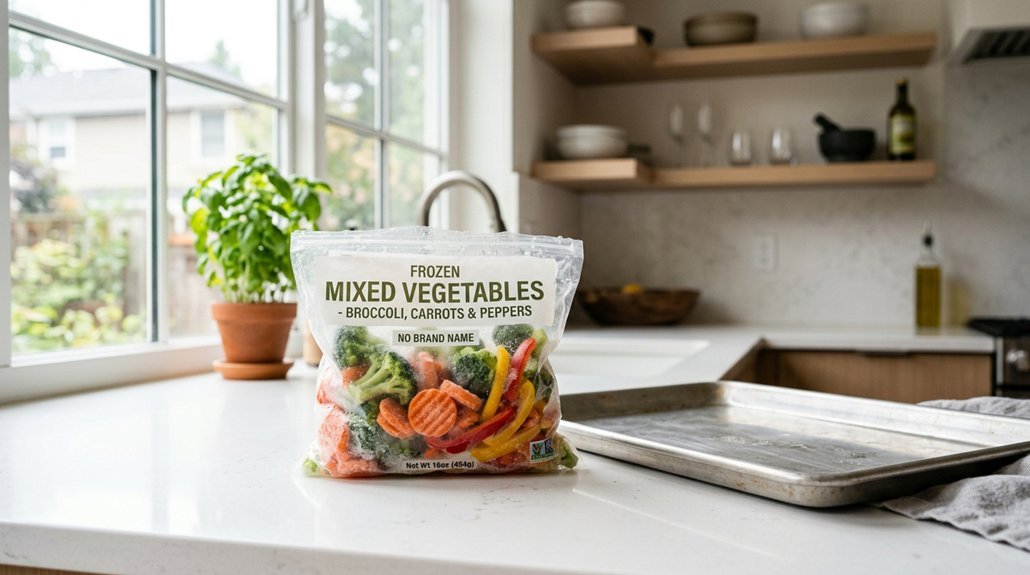
- Sauté mixed veggies in oil or butter for quick flavor. This works great for pieces already 1–2 inches in size. You get caramelization without waiting on the oven.
- Arrange in a single layer whether you steam or sauté. Add seasoning after cooking so moisture doesn’t turn everything soggy.
Pick your method based on what you’ve got and what you need.
Recommended Products

Natural, Unbleached Parchment Paper: Made from natural wood pulp, our parchment paper baking sheet is completely free from fluorescent agents, chlorine, and other harmful chemicals. It's food-grade, waterproof and BPA-FREE. Also the paper sheets is biodegradable, eco-friendly.

Package Includes: Twenty two (22) Reynolds Kitchens Cookie Baking Sheets measuring 12 inches long by 16 inches wide

Package Includes—Four (4) 25ct packs of Reynolds Kitchens Cookie Baking Sheets measuring 12 inches long by 16 inches wide (100 Total Sheets)
4 Mistakes That Turn Frozen Vegetables Mushy (Avoid These)
Several small errors can ruin frozen vegetables before they ever hit your plate.
You Crowd the Pan
Don’t overcrowd your baking sheet. Piling frozen vegetables traps steam and guarantees a mushy texture. Use single-layer roasting instead. You’ll get crisp edges and proper browning.
You Skip the Preheat
Always preheat oven to 425–450°F, a high temperature that sears quickly. Starting cold cooks them unevenly and leaves you with limp results.
You Thaw First
Avoid thawing unless your recipe demands it. That extra moisture steams your vegetables in the oven and kills any chance of crispness.
You Underdo Oil and Overdo Time
Coat evenly with oil and seasonings. Fat prevents steaming. Watch your cooking time closely, check at 12–15 minutes, and pull when edges turn crisp. Overcooking softens centers every time.
Recommended Products
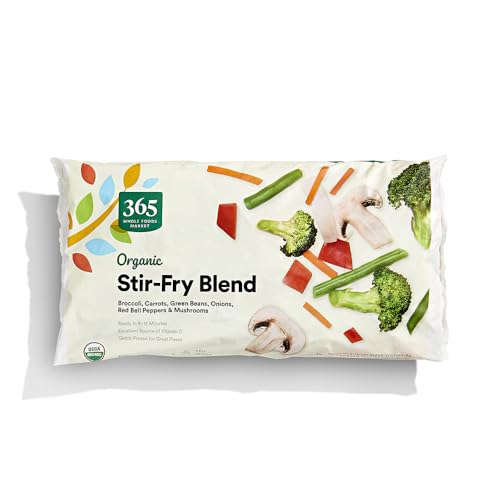
Brought to you by Whole Foods Market

One 12 ounce bag of Stir-Fry Vegetable Blend

One 52.2 oz bag of Birds Eye Asian Style Stir Fry Vegetables
10 Dinners Built Around Your Frozen Vegetable Stash
Why let your freezer become a graveyard of good intentions? You can build entire dinners around frozen vegetables using smart cooking methods that maximize texture and flavor.
Stop letting good food die in your freezer—frozen vegetables deserve a second chance at becoming dinner.
Master these techniques:
- High-heat roasting: Spread frozen vegetables on a parchment-lined sheet in a single-layer spread, toss with oil, and roast at 450°F for 20–25 minutes
- No-thaw cooking: Add frozen vegetables directly to stir-fries and soups; skip thawing to preserve nutrients and avoid sogginess
- Finishing flavors: Hit roasted veggies with parmesan, fresh herbs, or lemon after cooking
Always verify your frozen vegetables reach 165°F internal temperature when required. Check packaging instructions first.
With these approaches, meal planning with frozen vegetables becomes simple. You’ll rotate through your stash weekly instead of discovering mysterious bags three years later.
Recommended Products

One 12-ounce bag of Frozen California Vegetable Blend

Brought to you by Whole Foods Market. The packaging for this product has a fresh new look. During this transition, you may get the original packaging or the new packaging in your order, but the product and quality is staying exactly the same. Enjoy!

One 12-ounce bag of Frozen Mixed Vegetables