
Frozen vegetables are the quiet workhorses of your freezer, waiting to become something crisp and golden. You have probably stood in your kitchen, holding a bag of broccoli or cauliflower, wondering if the oven can save you from another soggy microwave meal. I have roasted hundreds of sheet pans of frozen produce over fifteen years of weeknight cooking, and I will show you exactly how to make it work.
The secret starts with a blazing hot oven and zero thawing. You need a half-sheet pan, 18 by 13 inches, preheated empty at 450°F for ten minutes. Spread one pound of frozen vegetables in a single layer. No crowding. Roast fifteen minutes, flip with a thin spatula, then five to ten minutes more until the edges char.
Best For: busy parents, budget meal preppers, anyone who forgot to buy fresh produce.
Why Roasting Frozen Vegetables Actually Works
How exactly do you turn a bag of frozen broccoli into something worth eating? You roast it. Roasting frozen vegetables works because they’re picked at peak ripeness and flash-frozen, locking in flavor that fresh produce often loses sitting in trucks and stores.
Frozen vegetables are flash-frozen at peak ripeness, locking in flavor that fresh produce often loses in transit.
Why Browning Happens
You don’t need to defrost. High heat, around 450°F, drives off moisture fast and promotes browning. The edges crisp and caramelize. You toss with a little oil to prevent drying and help that exterior crunch form.
Best For:
- Weeknight dinners when you’re short on prep time
- Using up bags you’ve stockpiled
Spread them in a single layer on a preheated sheet pan. This setup enhances even caramelization.
The quick cook time also preserves nutrients. You get vegetables that taste intentionally cooked, not like an afterthought.
Recommended Products

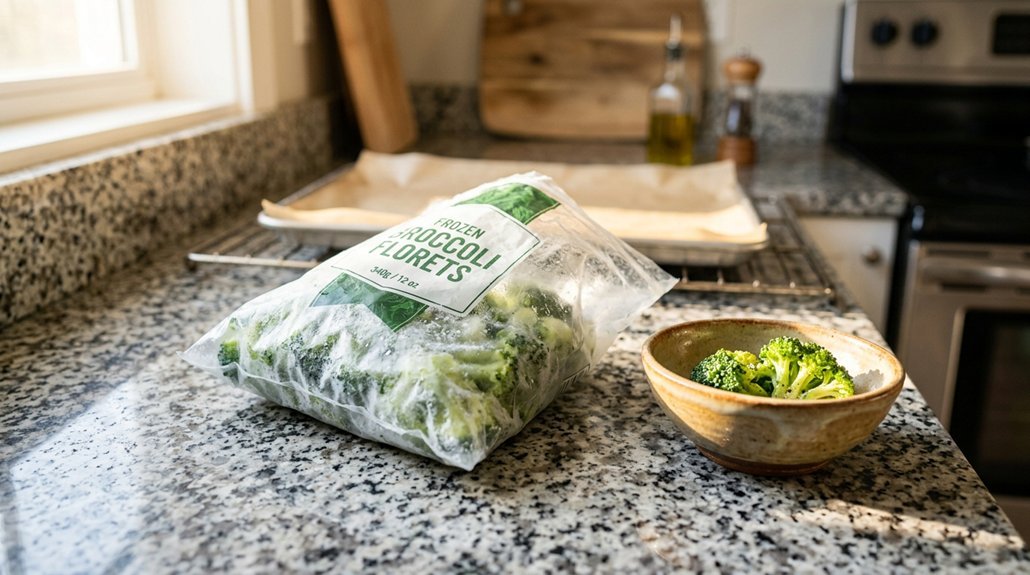
One 12-ounce bag of Frozen Broccoli Florets

Brought to you by Whole Foods Market

Brought to you by Whole Foods Market. The packaging for this product has a fresh new look. During this transition, you may get the original packaging or the new packaging in your order, but the product and quality is staying exactly the same. Enjoy!
The 20-Minute Method to Roast Frozen Vegetables
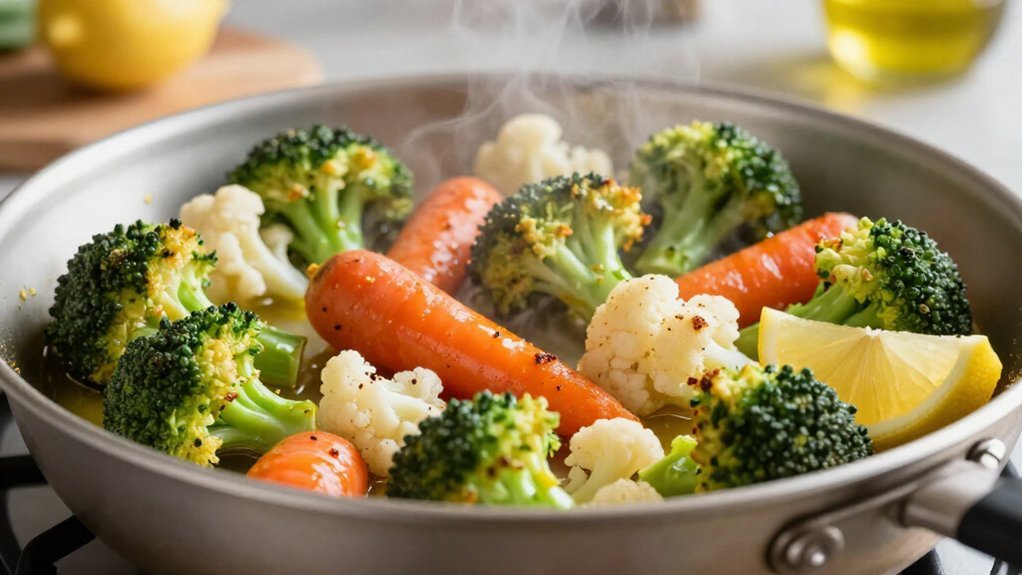
What exactly does the 20-minute method look like in a real kitchen?
You’ll preheat your oven to 450°F and grab a hot baking sheet. Spread your frozen vegetables in a single layer, don’t overcrowd them. Space equals browning, not steaming. Lightly coat them with oil or use a spray to prevent drying and boost browning without defrosting.
Now you’re roasting for 15 minutes. Pull the pan out, flip or toss everything, then slide it back in for 5-10 more minutes. Watch for golden, crispy edges.
Season beforehand with salt, Cajun, curry, or za’atar. After roasting, add lemon zest, balsamic, or vinaigrette if you want.
Best For: Weeknight dinners, meal prep, and anyone who forgot to thaw ingredients.
This 20-minute method delivers crispy results without the wait.
Recommended Products

One 10.8 oz bag of Birds Eye Steamfresh Carrots, Broccoli and Cauliflower, Frozen Vegetables

One 10.8 oz bag of Birds Eye Steamfresh Broccoli & Cauliflower Frozen Vegetables

One 10 oz bag of Birds Eye Steamfresh Shredded Potatoes and Sweet Potatoes with Broccoli and Cauliflower Florets Frozen Vegetables
What Temperature to Roast Frozen Vegetables for Crispy Edges?
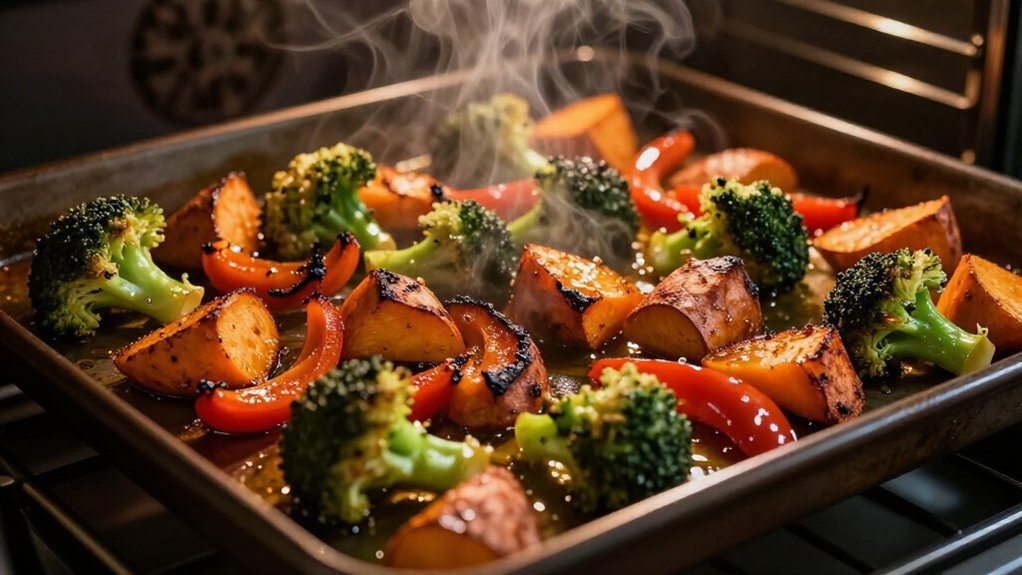
The 20-minute method works because you’ve got the heat cranked right. You roast frozen vegetables at a high temperature, specifically 450°F, to drive off moisture fast and create serious browning.
How Heat Transforms Frozen Vegetables
High temperature triggers the Maillard reaction, that golden crust you want. You’ve got to preheat your baking sheet alongside the oven. Spread vegetables in a single, even layer, give them breathing room, and don’t even think about crowding the pan.
Flip them after 15 minutes, then finish 5, 10 minutes more.
Best For: Brussels sprouts, broccoli florets, diced butternut squash
Skip parchment if you want maximum crispness, or use it sparingly for easier cleanup with slightly softer results. Either way, that 450°F number stays non-negotiable for true browning.
Recommended Products

One 12-ounce bag of Frozen California Vegetable Blend

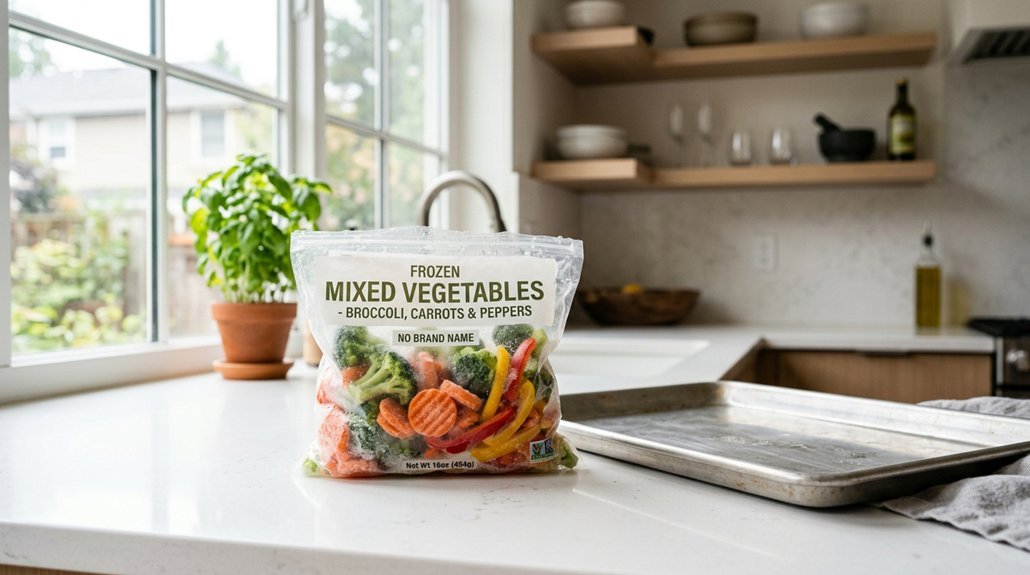
One 12-ounce bag of Frozen Mixed Vegetables

Brought to you by Whole Foods Market. The packaging for this product has a fresh new look. During this transition, you may get the original packaging or the new packaging in your order, but the product and quality is staying exactly the same. Enjoy!
Common Mistakes That Make Frozen Vegetables Soggy
Why do your frozen vegetables turn out limp and waterlogged when someone else gets that golden crust? You’re probably making one of these common mistakes.
You’re overcrowding the pan. You pile vegetables high, and they steam instead of roast. Spread them in a single layer with space between pieces. This lets moisture escape and promotes proper browning.
You’re skipping the preheat. You toss veggies onto a cold baking sheet. That slower cooking traps moisture, so edges stay soft. Preheat your pan for crisp results.
You’re using too little oil. You drizzle sparingly or add it after roasting. Oil conducts heat; without enough, surfaces won’t crisp.
You’re defrosting first. You thaw vegetables and introduce extra moisture. Roast them straight from frozen.
Your temperature’s too low. You fear burning, but low heat won’t caramelize surfaces. Crank it up.
Recommended Products

One 14 oz bag of Birds Eye Oven Roasters, Seasoned Sweet Potatoes, Carrots and Red Potatoes Frozen Vegetables

One 14 oz bag of Birds Eye Oven Roasters, Seasoned Broccoli and Cauliflower Frozen Vegetables

One 32 ounce bag of Frozen Mixed Vegetables
Best Frozen Vegetables for Roasting (Ranked by Results)
Not all frozen vegetables roast equally well, and I’ve learned this through years of trial and error in my own kitchen.
Top Performers for Roasting Frozen Vegetables
- Brussels sprouts, broccoli, and cauliflower: These achieve excellent browning and caramelization at high heat
- Whole Foods 365 organic root vegetables: Premium frozen options that develop superior crust and flavor
- Locally grown frozen broccoli from co-ops: Delivers solid texture and browning on a single-layer sheet
What to Look For
Choose pre-cut or mixed frozen vegetables with similar sizes. Uniform pieces guarantee even browning and reduce sogginess. Skip store-brand blends; their higher ice content and uneven defrosting create softer, less flavorful results.
Best For: Single-vegetable bags or premium brands when you want reliable crisp results without guesswork.
Recommended Products

SET OF 3 BAKING SHEETS: GoodCook’s Nonstick Cookie Sheet Set comes with a small 13” x 9”, medium 15” x 10” and large 17” x 11” baking sheet to provide the perfect options for any of your baking needs.
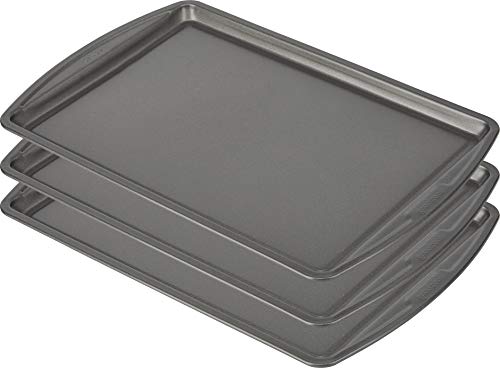
SET OF 3 BAKING SHEETS: GoodCook’s Nonstick Cookie Sheet Set comes with three 13 x 9-inch baking sheets to bake your favorite recipes from cookies, desserts, and tasty sheet pan dinners

1/2 Size – Large flat baking surface ideal for baking cookies, roasting vegetables or baking desserts
How to Roast Mixed Frozen Vegetables Without Uneven Cooking
You’ll avoid uneven cooking by choosing compatible vegetables like broccoli and cauliflower that finish at the same time, and you’ll match their sizes so nothing burns while other pieces stay raw.
Spread them in a single layer with space between pieces, and flip everything at 15 minutes. If you’ve got bigger chunks, cut them down or pull them out early to finish on their own.
Recommended Products

One 32 ounce bag of Frozen Broccoli Florets

One 10.8 oz bag of Birds Eye Steamfresh Broccoli Florets Frozen Vegetable

Brought to you by Whole Foods Market
Choosing Compatible Vegetables
How do you keep frozen broccoli from turning to mush while your carrots stay raw? Start with compatibility. When roasting frozen vegetables, pair types that finish together.
Best For Even Roasting:
- Broccoli + cauliflower: same density, similar cook time
- Green beans + asparagus: thin, quick-cooking match
Avoid These Mismatches:
- Dense carrots with delicate peas; carrots need 10+ minutes longer
- Thick-cut squash with thin corn kernels
Check bag labels for cut sizes. Large broccoli florets roast evenly with cauliflower chunks. Peas and diced carrots cook together if carrots are small-diced.
Pick single-vegetable bags when mix sizes vary widely. You’ll control timing better. Successful roasting depends on compatibility from the freezer aisle, not just the oven.
Size and Thickness Matching
Why does one piece come out charred while another stays icy in the center? You’ve hit the classic size matching problem with frozen vegetables.
Fix It Before You Roast
Check your bag before preheating. Look for blends where florets and spears share roughly the same width. You’ll spot trouble when broccoli towers over diced carrots. Separate thick pieces or cut them down. Group similar-thickness vegetables together, broccoli with cauliflower, so they finish as one batch.
Your Even Roasting Checklist
- Choose uniform frozen vegetables when shopping
- Cut or separate thicker pieces before the oven
- Plan extra time if sizes vary considerably
Size matching turns mixed bags from uneven disappointments into consistently crisp results. Your vegetables deserve the same attention you’d give fresh cuts.
Timing and Pan Spacing
Once your vegetables are cut to match, the real work happens on the pan. You need proper pan spacing to achieve even browning across every piece.
Best For: Mixed frozen vegetable bags
- Set your roasting temperature to 450°F. High heat caramelizes edges fast.
- Spread vegetables in a single layer with space between pieces. Crowding traps steam and softens everything.
- Flip at 15 minutes so all sides brown consistently.
Hot air must circulate freely around each piece. Without gaps, you get soggy spots and burnt edges in the same batch.
Tossing halfway through exposes new surfaces to direct heat. This method prevents the common problem of half-cooked carrots next to mushy broccoli.
5 Seasoning Blends for Roasted Frozen Vegetables
You’ll want to match your seasoning to how you plan to use the vegetables. Bold base blends like Cajun or curry powder build serious flavor that stands up to high heat and caramelized edges. Global spice mixes such as za’atar with lemon zest bring herbaceous depth that works especially well with brassicas like broccoli and Brussels sprouts.
For a lighter touch, bright finish flavors, lemon pepper or garlic with red pepper flakes, add final pop without overwhelming the tray.
Recommended Products

One 60 oz. bag of Birds Eye California Blend Frozen Vegetable Mix, Carrots, Broccoli, Cauliflower
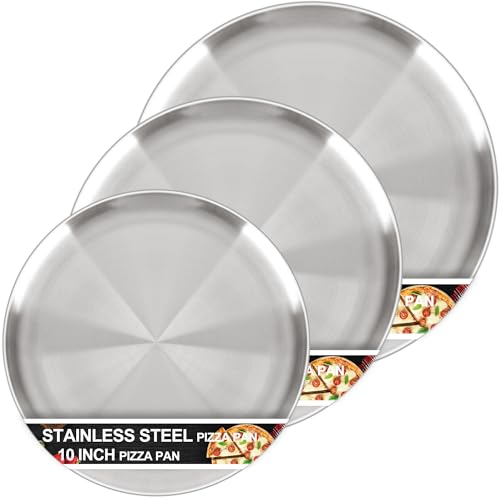
High-quality and Healthy materials: Our pizza pan set includes 3 sizes(10", 12", 13.5"), to meet your diverse needs. Pizza pan for oven made from high-quality and safe stainless steel materials with a fine surface finish, The pizza steel resist warping even under high temperatures, boasting durability with a substantial weight. You can feel confident that no easily peeling coatings will leach into your food during baking. Ensuring the health and safety of you and your family is our top priority

Bold Base Blends
Build your seasoning from the ground up, and you’ll turn bland frozen vegetables into something worth eating. Bold base blends form the backbone of smart flavoring techniques for roasted frozen vegetables.
Start with oil and salt, then layer in aromatics. Here’s how to build your bases:
- Garlic-Onion-Paprika Blend: Mix garlic powder, onion powder, and paprika for deep, savory flavor that works on any frozen veg.
- Citrus-Forward Base: Combine lemon zest and lemon pepper to brighten broccoli, cauliflower, or Brussels sprouts.
- Herb-Spice Pairing: Match one herb like rosemary or thyme with smoked paprika or chili powder for balanced, complex taste without overpowering.
These bold base blends make simple frozen vegetables into crisp-edged, flavorful dishes you’ll actually want to eat.
Global Spice Mixes
Why stick to plain salt when the world’s spice cabinets are wide open? You can turn frozen vegetables into globally inspired dishes with the right global spice blends.
Best Flavor Pairings for Roasting
- Cajun: Toss with frozen peppers and onions for smoky heat.
- Curry powder: Blend with carrots, parsnips, and oil. The warm spices deepen as roasting caramelizes natural sugars.
- Za’atar with lemon zest: Press onto broccoli or cauliflower. The citrus cuts through earthy herbs.
- Chili powder: Works with any medley. Add garlic and red pepper flakes for extra kick.
Start with 1–2 teaspoons per 12–16 oz bag. Shake vegetables halfway through roasting, then taste and adjust. You control the heat, the earthiness, the brightness.
Bright Finish Flavors
Pull the pan at the 20-minute mark. You’ve built your base with global spice mixes, and now you’ll lock in a citrus finish that wakes everything up. This is where you add lemon zest, not before. Heat kills zest’s oils and turns it bitter.
Best For: Broccoli, Cauliflower, Brussels Sprouts
- Grate lemon zest directly over hot vegetables; the steam releases the oils for maximum aroma
- Drizzle a light coating of browning oil if edges look dry; toss once and return for 3 minutes
- Splash fresh lemon juice right at the end; it brightens without overcooking
You can also toss with balsamic reduction or a sharp vinaigrette for glossy caramelized edges. Garlic and red pepper flakes build heat during roasting. Keep vegetables in a single layer with preseasoning blends and oil for even browning.
Parchment Paper or Bare Pan for Roasting Frozen Vegetables?
How do you get the crispiest results without scraping stuck broccoli off your sheet pan for twenty minutes? You’ve got two real options: parchment paper or a bare pan.
Parchment Paper
You’ll love the easy cleanup. Parchment paper prevents sticking, but it blocks some direct heat. You sacrifice a little surface crispness.
If you go this route, cut it to fit your half-sheet pan exactly. Don’t let edges curl up. They’ll disrupt heat circulation.
Bare Pan
You’ll get maximum direct heat here. That means better browning and crisper edges on your frozen vegetables. Lightly oil the pan or your veggies first. This stops sticking and promotes even browning.
Best For
- Parchment: Starchier vegetables like butternut squash or sweet potato wedges. It prevents scorched sugars.
- Bare pan: Delicate greens like broccoli or green beans. They need that contact for proper browning.
Choose based on your vegetable and your cleanup tolerance.
Recommended Products

Brought to you by Whole Foods Market

One 12 ounce bag of Stir-Fry Vegetable Blend

One 10 oz bag of Birds Eye Steamfresh Mixed Vegetables Frozen Vegetables
How to Serve and Store Roasted Frozen Vegetables
You can serve your roasted frozen vegetables straight from the pan as a simple side, pile them into grain bowls, or pair them with proteins like roasted chicken thighs for a complete meal. Store any leftovers in an airtight container in the refrigerator and use them within three to four days to keep the texture intact.
When you’re ready to eat again, reheat them gently in a hot skillet or oven to preserve those crisp edges, since the microwave will turn them soft and soggy.
Recommended Products

One 15 oz bag of Birds Eye Oven Roasters Seasoned Brussels Sprouts and Carrots Frozen Vegetables Frozen carrots and Brussels sprouts are oven-ready and seasoned with sea...
Serving Suggestions and Pairings
Roasted frozen vegetables deliver restaurant-quality results with minimal effort, and you’ll want to know exactly how to serve and store them for maximum payoff.
You can create balanced pairings with these approaches:
- Serve alongside roasted chicken thighs or salmon for a protein-rich dinner that comes together fast.
- Toss into grain bowls with quinoa or rice; the roasting brings out caramelized edges that complement hearty and light textures alike.
- Finish with flair: drizzle vinaigrette, balsamic reduction, or fresh lemon zest and parsley right before eating.
For frozen vegetables you’re storing before roasting, keep them sealed in their original bag. This preserves quality and prevents moisture loss.
After roasting, you’ll refrigerate leftovers in an airtight container and reheat gently to maintain that crisp-tender texture you worked for.
Proper Storage Methods
What’s the best way to keep your roasted frozen vegetables tasting crisp and fresh? You’ll need solid storage methods and clear reheating guidelines.
Best For: Short-Term Use
- Transfer roasted frozen vegetables to an airtight container or resealable bag.
- Refrigerate and use within 3 to 5 days.
- Label with contents and date.
Best For: Long-Term Storage
- Spread leftovers in a single layer on a sheet pan.
- Freeze until firm, then transfer to a freezer-safe bag.
- This prevents clumping.
- Use within 2 to 3 months.
Best For: Crispy Results
- Reheat on a hot baking sheet at 400°F to 450°F for 5 to 10 minutes.
- Do not thaw first.
- Reheat straight from the refrigerator or freezer to preserve browning and texture.
Reheating Without Sogginess
Revive your leftovers with the right heat and they’ll taste nearly as good as fresh from the oven. You want to reheat roasted frozen vegetables the smart way, so follow these steps:
- Preheat your oven to 375–400°F. Spread leftovers in a single layer on a parchment-lined sheet pan.
- Warm for 5–10 minutes. Watch for that crisping edge to return.
- Skip the microwave entirely. It’ll turn your vegetables soggy and soft.
You can also use a hot skillet for quick reheating. Store your roasted frozen vegetables in an airtight container in the fridge for up to 3–4 days. Only reheat once to keep quality high. When edges regain crunch, you’ll know you’ve done it right.
Meal Prep Ideas With Roasted Frozen Vegetables
How do you turn a freezer staple into your weekly secret weapon? You start with frozen vegetables, roasting, and meal prep as your foundation. You skip defrosting entirely. You spread broccoli, cauliflower, or mixed peppers directly on a preheated sheet pan. You crank your oven to 450°F. You roast for 15 minutes, then flip and give them 5 to 10 minutes more for crisp, browned edges.
Best For: Quick Weekday Bowls
- Pair roasted broccoli with quinoa and grilled chicken
- Toss cauliflower into grain salads with lemon tahini
- Mix peppers into breakfast burrito fillings
You store everything in airtight containers. You reheat gently; you don’t blast them. You build lunches in minutes. You save hours. You eat better without trying harder.
Best For: Batch Cooking Beginners
You pick one vegetable per pan. You master timing. You scale from there.
Recommended Products

Our popular natural aluminum quarter sheet with a nesting, oven-safe and nonstick steel grid

PURE UNCOATED ALUMINUM & SUPERIOR HEAT CONDUCTION: Crafted from 100% bare aluminum with NO chemical coatings – guarantees safe, toxin-free cooking. Engineered for lightning-fast, even heat distribution (up to 30% faster than steel!) for perfectly crispy cookies, golden roasted veggies, and juicy meats every time. The aluminum baking pans are made of thick and heavy aluminum, with a heavy rolled edge making this truly "commercial-grade"that provides maximized scratch resistance
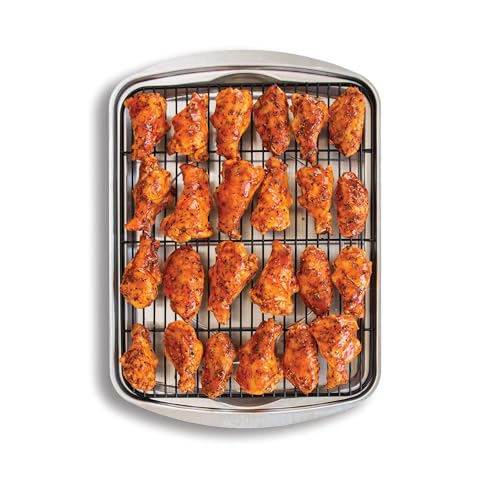
Great for making a variety of delicious treats like bacon, jerky, dried fruits, crisp fries, veggies and more