
You probably think grilling vegetables means charred zucchini and nothing else. You’re missing seven summer crops that change completely over fire.
Corn grills whole in its husk for a nutty, steamed finish, or slice it into ribs for direct caramelization. Zucchini and summer squash need ¼-inch planks, not rounds, so they don’t fall through. Eggplant halves or thick slices turn creamy inside with blistered skin.
Low-moisture tomatoes, quartered peppers, whole mushrooms, and par-cooked beets or cauliflower fill out the list. Each needs specific prep, salt, and heat zones. The results beat raw or roasted versions every time. Here’s how to pick, prep, and grill them right.
7 Best Vegetables to Grill (and Why They Work)
Why settle for the same old sides when you can turn ordinary vegetables into something extraordinary?
Corn
You’ll love grilling corn whole, in ribs, or wrapped in its husk. This locks in moisture and delivers nutty, smoky flavor with tender texture.
Summer Squash and Zucchini
Slice these into halves, strips, or wedges. They grill quickly while preserving tenderness and light sweetness.
Eggplant
Grill it whole, in halves, or sliced. You’ll achieve sweet, smoky, melt-in-your-mouth texture that accepts bold toppings beautifully.
Tomatoes
Choose low-moisture varieties like cherry or halved paste tomatoes. Grilling deepens their smoky sweetness and boosts flavor for salads or sauces.
Peppers
Grill bell peppers in quarters or wedges. You’ll develop char, sweetness, and savory depth that complements countless dishes.
Recommended Products

ADDED FLAVOR - Elevate your meals with both subtle smoky taste and fresh wood Western Red Cedar flavor. Great on Salmon, Pork, even grilled fruits and veggies

Textured Grilling Planks for More Smoke and More Flavor!
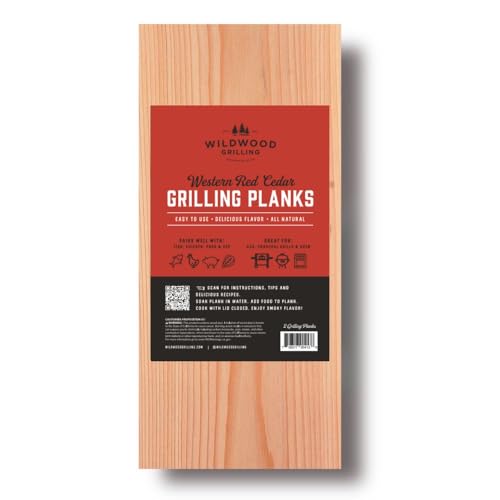
SOURCED AND MANUFACTURED IN THE USA - Don't be fooled into purchasing unknown wood species from overseas, many of which are toxic. Our planks are always made from Western Red Cedar and made in Idaho.
How to Prep Vegetables for the Grill: Cutting, Salting, and Par-Cooking
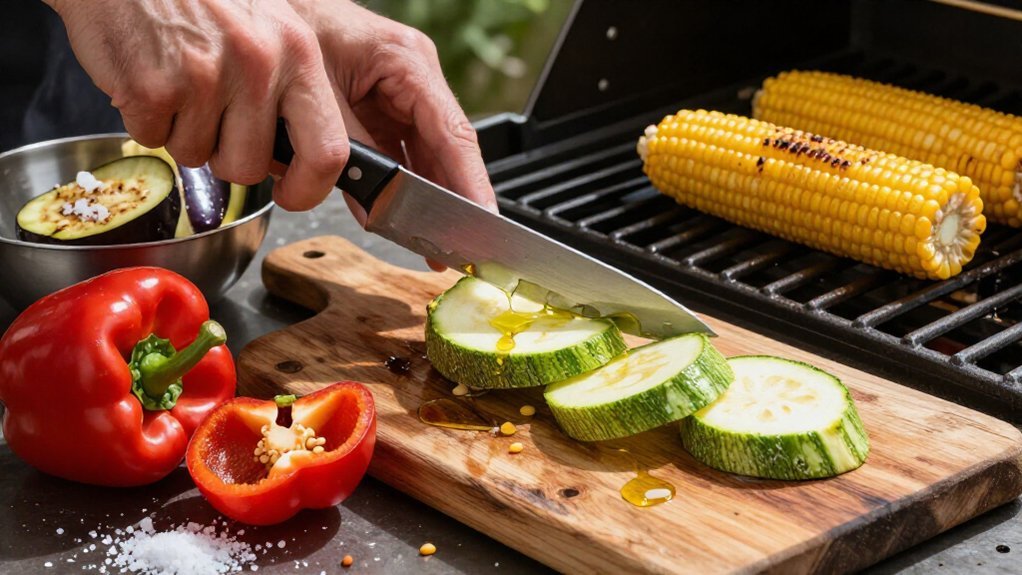
You can’t just toss vegetables on the grill and hope for the best. Start by cutting zucchini into 1/4-inch rectangles, quartering peppers, and keeping mushrooms whole so everything cooks evenly.
Salt zucchini and eggplant ahead of time to draw out moisture. Par-cook sturdy vegetables like cauliflower or beets so they finish tender without burning on the outside.
Recommended Products

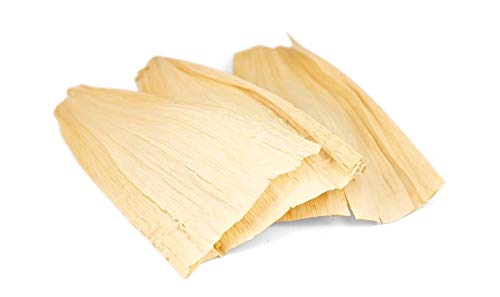
FROM MEXICO, Non-GMO, premium quality dried corn husks
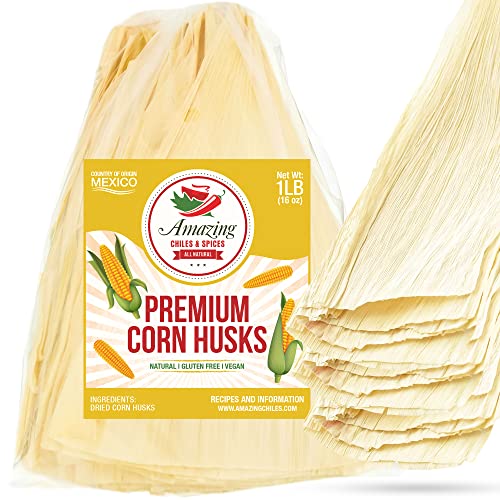
AUTHENTIC TAMALE LEAVES – These premium tamale leaves corn husks help hold tamales together while enhancing texture and flavor during steaming and cooking.
Cutting and Sizing
How do you keep vegetables from turning into charred mush or raw chunks on the grill? You master cutting and sizing first.
Best For: Even Cooking****
You cut zucchini and summer squash into 1/4-inch thick rectangles. You quarter peppers. You make uniform cuts so every piece finishes at the same time. You thread these onto skewers, metal preferred, or toss them in a grill basket so nothing slips through.
Best For: Managing Moisture****
You salt high-water vegetables ahead. You let them drain 30 minutes. You wipe mushrooms with damp paper towels, then grill whole or crumbled.
Best For: Dense Vegetables****
You par-cook cauliflower, broccoli, and tough carrots until just tender. You avoid the burnt-outside, raw-inside problem entirely.
Size it right, and you control the fire.
Salting and Par-Cooking
Once you’ve cut your vegetables to size, you’re ready to tackle moisture and density. You’re salting high-water-content vegetables like zucchini and eggplant in advance. You’re drawing out excess moisture for about 30 minutes. You’re preventing sogginess and improving your grilling results.
You’re also brining firmer vegetables for roughly an hour. You’re penetrating them with salt water. You’re distributing flavor internally before they hit the grill.
- You’ll feel relief watching water bead on salted surfaces, knowing sogginess won’t ruin your dinner.
- You’ll gain confidence seeing firm vegetables absorb brine, trusting they’ll season evenly.
- You’ll experience satisfaction when par-cooking lets you control texture perfectly.
- You’ll taste victory when precooking prevents that dreaded charred-outside, raw-center disaster.
For vegetables like beets and carrots, you’re steaming until just softened. For broccoli and cauliflower, you’re parboiling quickly, then shocking in ice water. You’re applying salt ahead, but saving marinades for after cooking to maximize flavor.
Grill Temperature and Setup for Vegetables
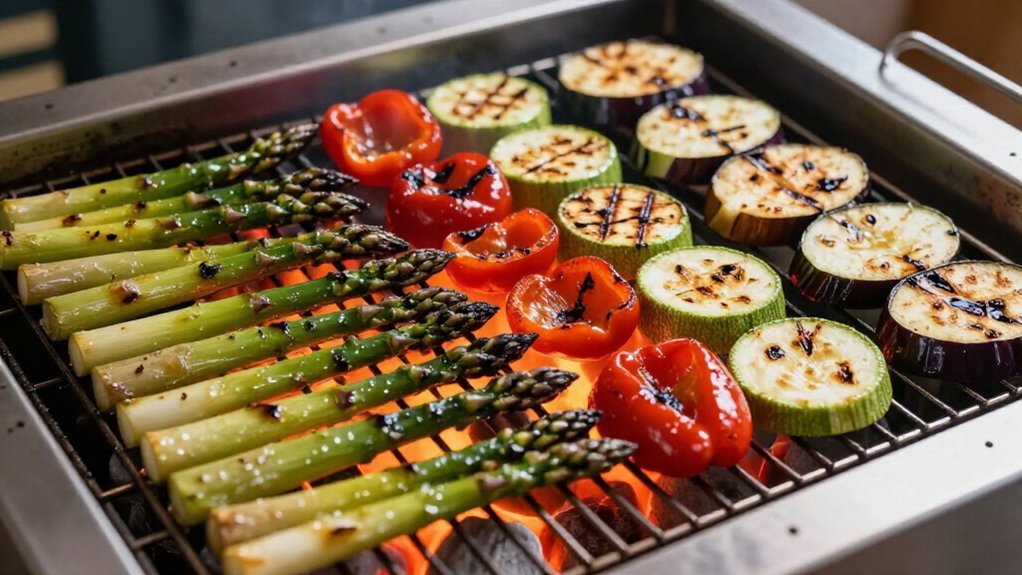
You’ll want to set your grill up with two distinct zones to master vegetable cooking. Preheat one side to medium-high heat (400–450°F) for direct searing, and leave the other side cooler for indirect finishing.
This two-zone setup gives you control: you can char zucchini, bell peppers, and summer squash over the flames, then slide thicker pieces like cauliflower steaks or halved onions to the cooler side to soften through without burning.
Best For: Quick-cooking vegetables (asparagus, snap peas) stay over direct heat; dense vegetables (potatoes, whole carrots) finish indirectly.
Recommended Products

RICH,SAVORY FLAVOR – Tender butter beans simmered in a vibrant, slow-cooked tomato sauce for a hearty, satisfying dish.

TRIPLE CERTIFIED — KOSHER, HALAL & VEGAN Moda Fire Roasted Eggplant Puree is proudly certified Kosher, Halal, and 100% Vegan — making it one of the few premium eggplant purees designed for every table and every dietary lifestyle.
Direct Heat Setup
When you’re ready to cook vegetables that char beautifully, start by preheating your grill to 400–450°F. You’ll set up for direct heat cooking that sears quickly, keeping an indirect heat finish available if things move too fast.
Place vegetables directly on grill grates or use a grill basket to stop smaller pieces from slipping through. You want even cooking, so cut everything to uniform sizes: 1/4-inch thick zucchini or summer squash works perfectly. This prevents burning while maximizing that caramelized exterior.
Your grill time runs 7–8 minutes per side with minimal flipping, just 2–3 turns total. Brush oiled, seasoned vegetables onto the hot surface and watch them change.
- Hear that sizzle as moisture hits metal
- Smell char deepening into sweetness
- See grill marks darken to perfection
- Taste summer captured in every bite
Indirect Zone Options
Some vegetables need more than a quick sear. You’ll master your grill setup by pairing direct heat with an indirect zone to achieve even cooking without charring damage.
Building Your Indirect Zone
Start vegetables over medium-high direct heat (400–450°F) for initial marks. Then shift them to indirect heat, dropping to 200–300°F on the cooler side. This two-stage approach lets you finish cooking gently without losing that grilled edge.
Tools and Technique
A grill basket prevents smaller pieces from falling through when you move them. Rotate items as needed, letting residual heat in the indirect zone do the work. This prevents burning while heat penetrates to the center.
Best For: Dense vegetables like whole onions, thick squash wedges, or potato planks that demand time to soften through.
How Long to Grill Vegetables: A Timing Guide by Type
Why does timing matter so much on the grill? You can ruin perfectly good produce in seconds. Nail your grilling times and you’ll taste the difference.
Your Timing Game Plan
- Prep for success: Make uniform vegetable cuts, about ¼ inch thick. You’ve got to parboil pre-cook dense veggies like potatoes or carrots before they hit the flames.
- Control the heat: Crank to 400–450°F for high-heat grilling. You’re chasing that charred outside, tender inside.
- Handle the watery ones: Salt to draw moisture from zucchini and eggplant. You’ll skip the soggy mess and get better direct-heat grilling results.
- Watch the small stuff: Rotate corn and tomatoes. You’re aiming for even cooking, not scorched skins or deflated tomatoes.
Grill in batches. Crowding kills your even cooking.
Recommended Products
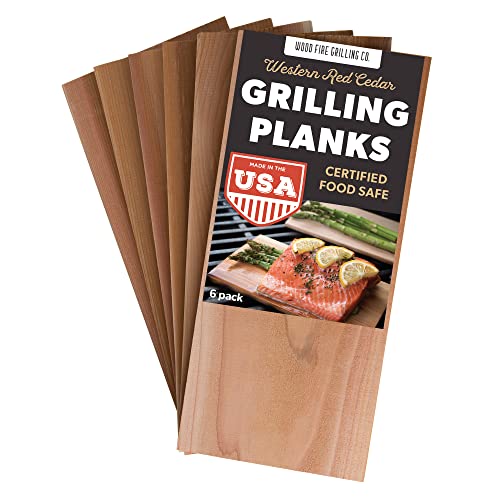
DON'T BUY CHINESE PLANKS - We have seen that sellers are selling "Incense Cedar" boards that have been glued together. Neither of those things are safe to grill on.

Premium Cedar Grilling Planks - 2 Pack - Each Plank Measures 11.5" x 5.5" by 0.7" thickness - These Grilling Planks add a rich, smoky flavor to your favorite dishes.
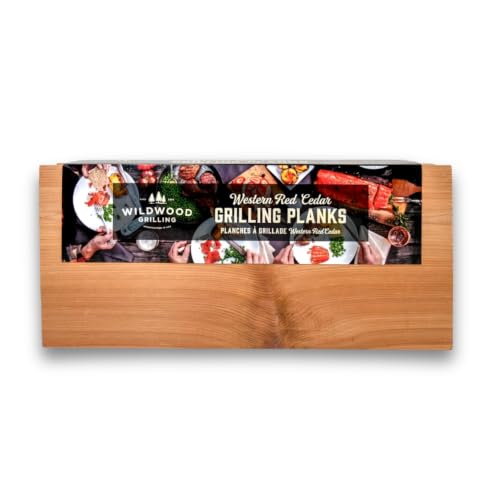
Authentic Grilling Experience: Elevate your grilling with these large Western Red Cedar planks inspired by Native American traditions.
When to Flip, Move, and Pull Vegetables Off the Grill
Because vegetables don’t come with a built-in timer, you’ve got to read the grill like a map.
Flip with Purpose
You’ll flip vegetables 2–3 times total during grilling. This builds crisp grill marks without overhandling. Flip too much, and you’ll lose those charred stripes. Flip too little, and you burn one side.
Move for Even Cooking
You’ll move smaller pieces to cooler zones. For tiny bits, you’ll grab a grill basket to prevent scorching and sticking.
Uniform sizes, like 1/4 inch slices or even chunks, keep cook time synchronized across the batch.
Know When to Pull
You’ll grill about 7–12 minutes per side until tender and charred to your preference. For zucchini and other water-heavy vegetables, you’ll salt ahead, pat dry, then grill. You’ll pull when they’ve got bite but no crunch.
Recommended Products
Sauces and Finishes That Make Grilled Vegetables Shine
How do you turn good grilled vegetables into something you’ll actually crave? You finish them right.
Brush olive oil on your veggies before they hit the grates, but save the real magic for after cooking. Apply finishing sauces liberally when those vegetables come off the grill hot and ready.
Here are four ways you’ll change your plate:
- Drizzle chimichurri over zucchini and let the garlic and herbs cut through the sweetness.
- Crumble feta cheese on peppers and tomatoes while they’re still warm; the cheese softens just slightly.
- Toss fresh herbs in olive oil and splash over eggplant right before serving.
- Whisk balsamic vinaigrette with parsley and basil for a final brush on squash.
You worked for that char. Now make it count.
Grilled Vegetables Gone Wrong: Fixes for Common Problems
Even the best finishing sauces can’t save vegetables that hit the plate burned or soggy. You can fix these common grilling problems with a few simple adjustments.
Prevent Burning
When vegetables char too fast, shift them to cooler zones. You’ll finish cooking with indirect heat to stop bitter, mushy results. Apply delicate sauces and herbs at the end, off the heat, to avoid burning. Brush oil or sauce while vegetables stay hot.
Stop Sogginess
High-water vegetables like zucchini and eggplant need salt and moisture control. Salt pieces ahead, let them drain 30 minutes, then pat dry before grilling.
Achieve Even Cooking
Precook dense vegetables: parboil cauliflower and broccoli, steam beets and carrots, blanch green beans. This gives even cooking inside and crisp outside.
Use a grill basket for small pieces. Flip only 2-3 times for clear grill marks.
Recommended Products


Cedar grilling adds a delicious smoky flavor to your grilling favorites. Super easy to use and guaranteed results. Great with salmon, other seafood, beef, poultry and veggies. Get creative and try pizzas, warmed cheeses and even deserts. Take your backyard grilling to the next level!

Premium Cedar Grilling Planks - 2 Pack - Each Plank Measures 11.5" x 5.5" by 0.7" thickness - These Grilling Planks add a rich, smoky flavor to your favorite dishes. Steven Raichlen's secret to perfectly smoky and flavorful meat and veggies.