
Last Tuesday, you pulled a 12-ounce bag of Green Giant broccoli florets from your freezer at 6:47 PM. You were starving. The box said “stovetop only.” You baked them anyway.
Here’s what happened next, and why it changed how you’ll cook forever.
How to Roast Frozen Vegetables in 3 Steps
Because frozen vegetables often get a bad rap for turning soggy, I’ll show you how to roast them straight from the freezer, no defrosting required.
Step 1: Oil and Season****
You’ll toss your frozen vegetables with oil to prevent drying and encourage browning. Add seasonings now. Cajun, curry, or za’atar work well.
Step 2: Arrange in Single Layer****
You’ll spread them in a single layer on a preheated baking sheet. This promotes rapid browning from the start.
Step 3: Roast at High Heat****
You’ll roast at 450°F for about 15 minutes, flip, then continue 10–15 minutes more. You’re watching for crispy edges and golden color throughout.
Best For: Weeknight dinners when you need hands-off cooking with great texture.
You’ll never bother defrosting again.
Recommended Products

One 14 oz bag of Birds Eye Oven Roasters, Seasoned Sweet Potatoes, Carrots and Red Potatoes Frozen Vegetables

One 14 oz bag of Birds Eye Oven Roasters, Seasoned Broccoli and Cauliflower Frozen Vegetables

One 12-ounce bag of Frozen California Vegetable Blend
The Best Temperature for Roasting Frozen Veggies
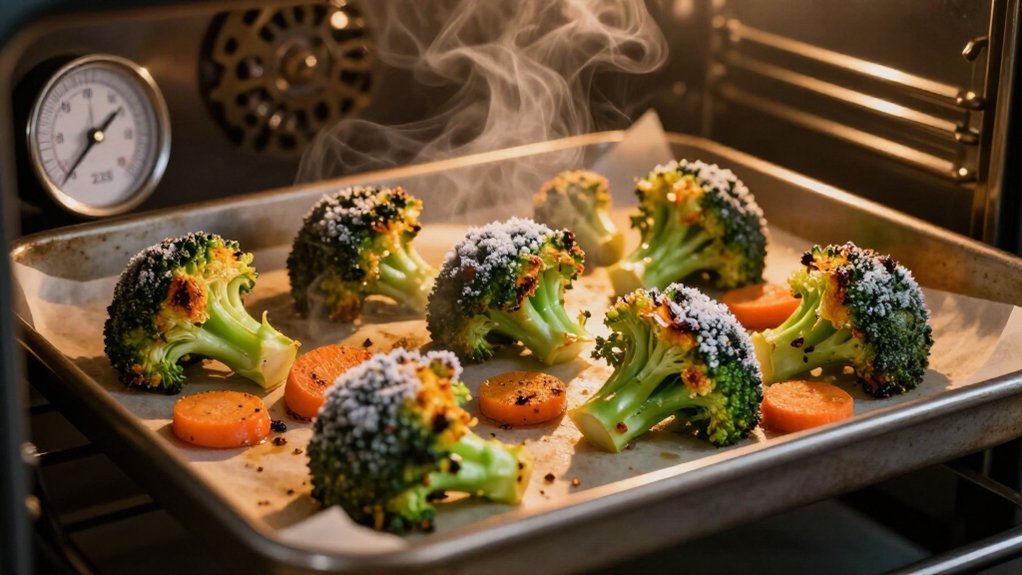
You’ll get the best results when you roast frozen vegetables at 425–450°F, which gives you those browned, crispy edges you’re after. Preheat your oven and your baking sheet together so the veggies start sizzling the moment they hit the pan, cutting down on soggy spots. Flip everything after 15 minutes, then roast another 5–10 minutes to lock in caramelization without burning.
Recommended Products

One 15 oz bag of Birds Eye Oven Roasters Seasoned Brussels Sprouts and Carrots Frozen Vegetables

Selected and stored fresh
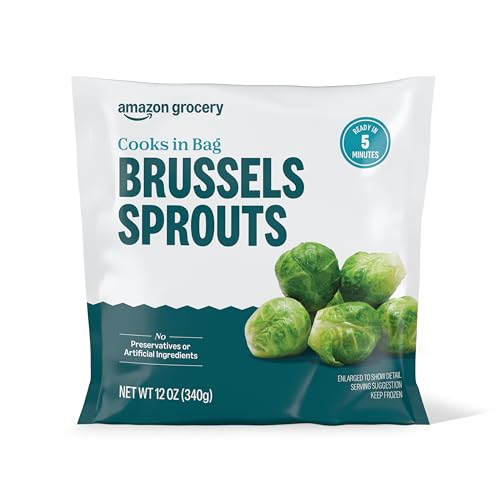
One 12 ounce bag of Frozen Brussels Sprouts
Optimal Heat Level
Roasting frozen vegetables demands high heat. You set your oven to 450°F for optimal roasting. This temperature creates the browning you want.
Some cooks use 425°F to 450°F. You find this range balances crisp edges with even cooking. You don’t go lower. Lower heat steams your vegetables.
You line your preheated baking sheet with parchment paper. You spread frozen vegetables in a single layer. You avoid overcrowding. Crowding traps moisture. Trapped moisture kills browning.
Here’s what happens at 450°F:
- Ice crystals evaporate fast
- Surfaces dry and brown quickly
- Sugars caramelize in 15 minutes
- You flip vegetables; edges crisp in 5 to 10 minutes more
You pull them out golden. You’ve mastered the technique.
Pan Preheating Benefits
Why does your roasted broccoli turn soggy while restaurant versions crackle? You’re missing the preheated baking sheet.
The Fix for High Heat Roasting****
You crank your oven temperature to 450°F, but that’s only half the battle. Slip your empty baking sheet inside while the oven preheats. When you toss frozen vegetables onto that screaming-hot surface, you kickstart immediate browning.
What Preheating Delivers
- Crispy edges, fast: Ice crystals vaporize on contact instead of pooling.
- Steaming reduction: A hot sheet sears the bottom instantly.
- Even browning: No half-raw, half-burnt pieces.
Spread vegetables in a single layer. Don’t crowd them.
Best For: Brussels sprouts, broccoli florets, cubed butternut squash.
Parchment Paper Effect
You can use parchment, but you’ll sacrifice some crunch. For maximum crispiness, skip it or add it just before loading.
Preheating: you’re cutting time and boosting texture.
Timing for Crispness
How long should frozen vegetables stay in the oven before they turn crisp instead of limp? You roast frozen vegetables at high heat, 450°F, for 20 to 30 minutes total. You start with a hot sheet and a light coat of oil.
Here’s your roadmap to crispy edges:
- Preheat to 450°F and place your baking sheet inside while it heats.
- Toss frozen vegetables from frozen with oil, then spread in a single layer to avoid crowding.
- Roast 15 minutes, then flip halfway through cooking.
- Finish 5–15 minutes more until you see golden, crispy edges.
You don’t defrost. You don’t pile them high. You give each piece space to brown. That’s how you change ice-cold florets into caramelized, crunchy bites.
Why Frozen Vegetable Quality Affects Your Results
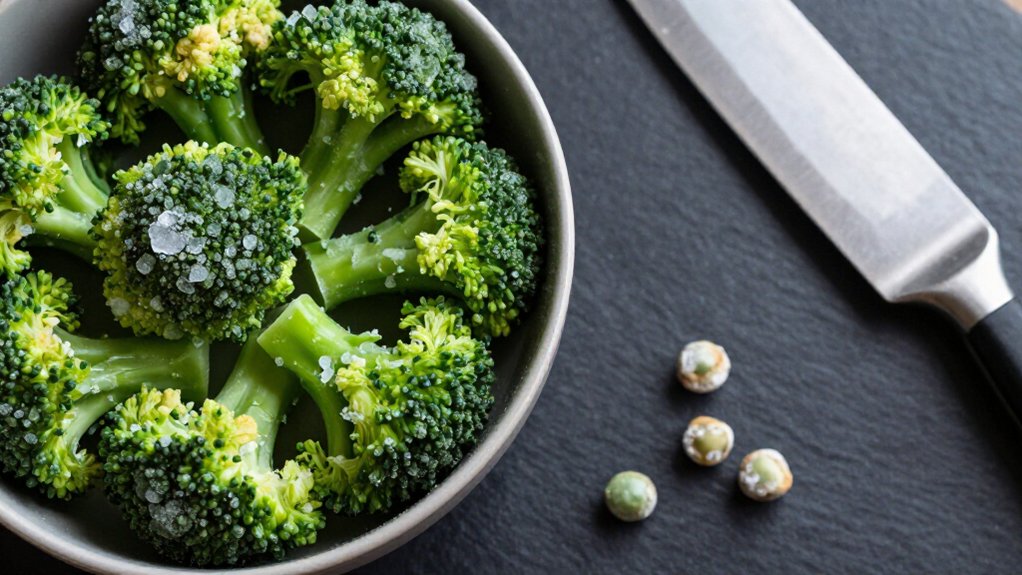
Where exactly does your frozen bag come from? That origin determines your roasting success. Premium frozen vegetables, like Whole Foods 365 organic root vegetables or locally grown co-op frozen broccoli, brown deeply and deliver richer flavor. Store-brand mixes often carry excess ice, so they steam instead of roast.
You control the outcome with technique. Use high heat and spread frozen vegetables in a single-layer on parchment paper. Crowding traps moisture, so give pieces space. Smaller cuts brown faster; larger ones need more time and may stay softer. Toss with light oil to promote caramelization without sogginess.
Your choices directly impact texture and flavor. Select quality bags, mind the size of pieces, and avoid crowding. You maximize crisp edges when you match good product with proper method.
Recommended Products

Package Includes—Four (4) 25ct packs of Reynolds Kitchens Cookie Baking Sheets measuring 12 inches long by 16 inches wide (100 Total Sheets)

Package Includes: Twenty two (22) Reynolds Kitchens Cookie Baking Sheets measuring 12 inches long by 16 inches wide

Package Includes: Thirty (30) Reynolds Kitchens Pop-Up Parchment Paper Sheets measuring 10.75 inches long by 13.75 inches wide
Frozen vs. Fresh: What Actually Matters
You’ve got your technique down. Now you wonder: should you even bother with fresh? Here’s what actually matters when you’re roasting frozen vegetables versus fresh.
The Real Comparison
Frozen vegetables often win. They’re picked at peak ripeness and flash-frozen, locking in flavor that outlasts fridge-wilted produce by week’s end.
You’re roasting at high heat, 450°F, so defrosting is not required. The batch size stays manageable on parchment paper, and you still get browning and crispy edges. Texture varies by cut; smaller pieces brown faster.
Best For Quick Wins:
- Weeknight dinners when fresh spoils in the crisper
- Tight budgets; premium brands like Whole Foods 365 organic roots outperform store mixes
- Single-layer roasting without crowding
- Consistent results, no peeling or chopping required
Recommended Products
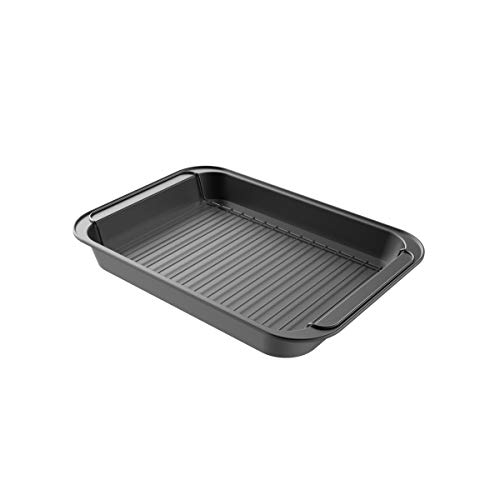
REMOVABLE WIRE RACK - With a removable rack included to drain off excess fat and grease and allow for better air circulation, your roasts will turn out perfectly every time. This versatile pan is perfect for cooking meat, potatoes, veggies, and more!
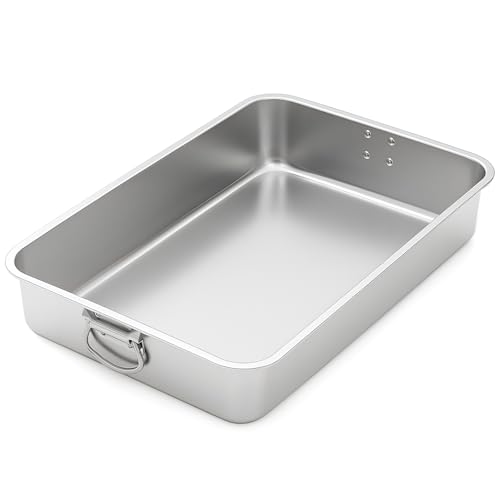
Spacious Capacity for Big Feasts: enjoy the convenience of a large roasting pan that measures about 23.5 x 15.5 x 4 inches / 60 x 40 x 10 cm, thickness about 0.04 inch/ 1 mm and weighing just about 3.3 pounds / 1.5 kg, ideal for accommodating a whole turkey, big roasts, or layered lasagna; This turkey broiler pan provides ample room for your culinary creations, making it ideal for family gatherings and holiday cooking

TRUSTED SINCE 1850: MasterClass's award-winning* bakeware is built to last for years, and boasts a 20 years guarantee (5 years non stick)
Roasting Mistakes That Ruin Frozen Vegetables
Why do frozen vegetables turn out soggy and pale when they should be crisp and golden? You’re probably making one of these common roasting mistakes.
You’re overcrowding the pan. When frozen vegetables pile up, they steam instead of roast. Spread them in a single, even layer on parchment paper for proper browning.
You’re skipping preheating. A cold oven or baking sheet slows cooking and kills those crisp edges you want. Preheat both fully.
You’re defrosting first. Don’t do it. Thawing releases water and leaves you with waterlogged, limp results.
You’re ignoring even sizing. Uneven pieces cook unevenly; smaller bits burn while larger chunks stay raw.
You’re skimping on oil and salt. Too little oil prevents browning. Salt draws out moisture and builds flavor.
Fix these, and you’ll get golden, crispy vegetables every time.
Recommended Products

FROZEN VEGETABLES: Ready-to-roast frozen veggies to complement any protein or recipe; Serve them as a family favorite side dish or meal addition
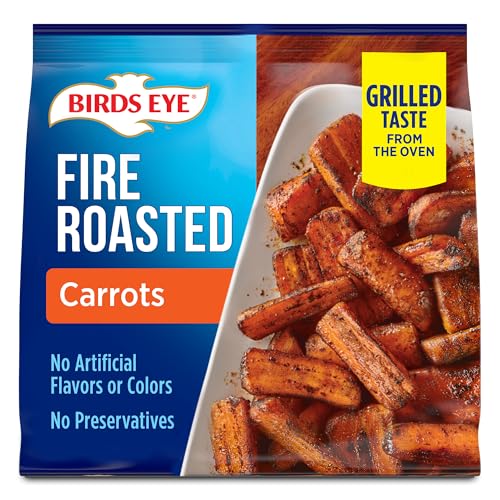
Contains one 12 oz. bag of Birds Eye Fire Roasted Carrots

SWEET POTATOES: Easy to prepare frozen sweet potatoes, full of flavor; An ideal side dish or addition to casseroles, bakes, and beyond
Seasoning Ideas That Transform Plain Frozen Veggies
Most home cooks reach for the salt shaker and stop there. You’re leaving serious flavor on the table.
Best For: Quick Weeknight Roasts
Toss your frozen vegetables with olive oil, salt, and paprika before you roast. The oil helps spices cling; the heat reveals depth you can’t get from boiling.
My Go-To Seasoning Layers
- Smoky base: olive oil, salt, paprika, and a pinch of chili powder
- Warming kick: garlic and red pepper flakes added mid-roast
- Bright finish: lemon zest and parsley scattered after roasting
- Global twist: cumin-forward blends or za’atar with lemon zest
Keep your seasoning simple. You chose frozen vegetables for convenience, so don’t overcomplicate the process. Build from oil and salt, then layer one or two bold flavors. You’ll taste the difference immediately.
Recommended Products

One 10.8 oz bag of Birds Eye Steamfresh Brussels Sprouts Frozen Vegetable

Brought to you by Whole Foods Market

Brought to you by Whole Foods Market
What to Serve With Roasted Frozen Vegetables
Once your vegetables are seasoned and roasted, the next question is what belongs on the plate beside them.
Best Protein Pairings
You’ll want to serve with chicken thighs that roast on the same baking sheet with parchment paper. This builds one-pan meals where proteins and vegetables finish together at high heat.
Complete the Plate
Add grains to balance your even roasting results. Try rice, quinoa, or couscous alongside your roasted frozen vegetables.
Kid-Friendly Foundations
Keep meals simple for children. You can pair vegetables with mashed potatoes or buttered pasta. Familiar flavors help them accept new textures.
Finish Strong
Apply post-roast dressing before serving. A lemon vinaigrette or balsamic drizzle lifts the seasoning and adds brightness.
Use Your Leftovers
Turn remaining vegetables into grain bowls or breakfast hashes. Quick reheating preserves the texture you achieved.
Recommended Products
Pre-cut Baking Parchment Paper Sheets: Are you tired of cutting curly parchment paper? Our pre-cut parchment sheets can let you get rid of cutting parchment anymore. The sheets lay flat on the baking tray and will not curl
EXTRA THICKENED: Each of these 200 pieces of parchment is extra thick, and our parchment paper is 45gsm. more durable and less brittle, so you can easily pick up the food on the baking sheet by lifting parchment paper without any breaking. MOREOVER, IT IS MORE COST-EFFECTIVE

Natural, Unbleached Parchment Paper: Made from natural wood pulp, our parchment paper baking sheet is completely free from fluorescent agents, chlorine, and other harmful chemicals. It's food-grade, waterproof and BPA-FREE. Also the paper sheets is biodegradable, eco-friendly.
How to Store and Reheat Leftovers
Where should you put those extra roasted vegetables once dinner’s done? You refrigerate leftovers within two hours for safe storage. Pack them in an airtight container and slide it onto a middle fridge shelf.
Refrigerate roasted vegetables within two hours in an airtight container on a middle fridge shelf for safe storage.
Your reheating method determines your final texture. Here’s what you can expect:
- Oven at 375°F: Best for texture preservation; restores that crisp texture you first loved
- Air fryer at 350°F: Delivers the crunchiest edges in minutes
- Microwave: Fastest option, but you’ll sacrifice crispness for speed
- Stovetop skillet: Adds light char with a quick toss
Avoid freezing cooked frozen vegetables; it ruins their structure. If you must freeze, use plain, unseasoned leftovers only.
When reheating, watch closely. Pull vegetables when edges turn just crisp. Overcooking dries them out fast.
Recommended Products
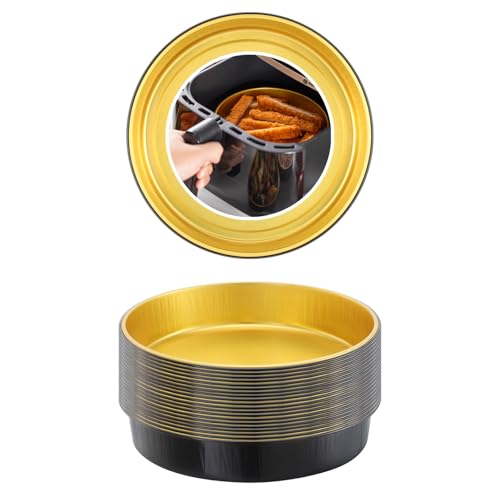
🔥 Reinforced High-Heat Aluminum for Air Frying: Made from reinforced food-grade aluminum foil designed to handle the high heat of air frying without easily warping or tearing. The sturdy construction provides reliable support for cooking, baking, reheating and light roasting while helping simplify cleanup

A HEALTHIER BAKING CHOICE - The Whitford-reinforced for exceptional release, the two-layer coating is chemical-free – PFOA, BPA, and PTFE. It is thus safe to use. In addition, it has a smooth, non-stick surface that makes it a breeze to clean while protecting against scratching, staining, and corrosion.

Premium Commercial Grade Matirial: Crafted from high-grade 0.8mm haevy duty carbon steel, this 15 inch cookie baking sheet ensures durability and longer service lifeand even heat distribution for perfectly baked treats every time.