
You can roast frozen veggies, and you don’t need to thaw them first. Preheat your oven to 450°F. Spread a single layer on a half-sheet pan. Roast for 15 minutes, toss, then finish for 5 to 10 minutes more. The results are crisp, browned edges with zero prep work.
Best For: Weeknight dinners, meal prep, emptying your freezer.
But most home cooks overcrowd the pan. You steam your vegetables instead of roasting them. You end up with soggy, pale results. The fix is simple, and it changes everything.
How to Roast Frozen Vegetables Step by Step
Why complicate dinner when frozen vegetables make roasting this simple? You’ll start with one 12-16 oz bag and one tablespoon of oil. Remove them from the bag and spread on a baking sheet.
Frozen vegetables make roasting this simple: one bag, one tablespoon of oil, spread on a sheet, done.
Prep Your Pan
Line with parchment paper for starchier veggies. Note that parchment may reduce crispness slightly.
Season and Spread
Toss with oil and seasonings. Spread in a single layer. Don’t crowd them; you’ll get crispier results.
Roast Without Touching
Preheat to 425-450°F. Roast 15 minutes untouched.
Finish Crispy
Toss, then continue 5-10 more minutes. Total time: 20-25 minutes. Watch for crispy edges.
Best For: Weeknight dinners, meal prep, hands-off cooking.
Frozen vegetables become something special with high heat and patience. You’ll skip chopping, waste nothing, and still get that caramelized crunch.
Recommended Products

Healthy Material - The Tifanso heavy-duty turkey roasting pan with rack is made of high-quality, non-toxic stainless steel and contains no chemical coatings, ensuring that no harmful substances leach into your food. This turkey roasting pan can withstand temperatures up to 450℉ and is corrosion-resistant, promising a long service life without easy deformation. The oven pan heats quickly and distributes heat evenly, allowing you to make delicious gravies directly on an induction stove.

SIZE - 16L x 12W x 6H inch and inside dimensions 15L x 10.5W x 3.5H inch.
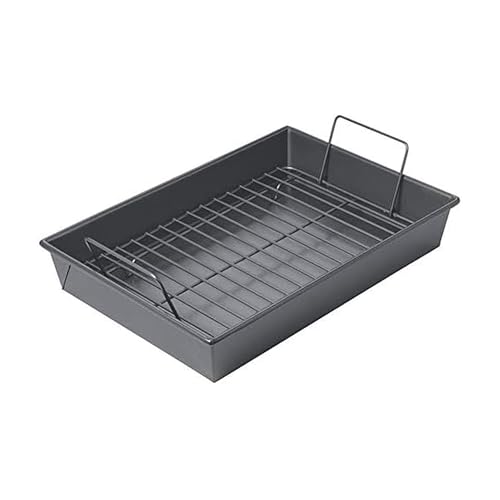
SMALL ROASTING PAN WITH RACK INCLUDED: This 13.5 x 9.5 inch carbon steel roasting pan comes with a flat fold-out handle rack, giving you everything needed to roast chicken, vegetables, and small cuts of meat without buying accessories separately
What Temperature Works Best for Frozen Vegetables?
Recommended Products

Package Includes: Thirty (30) Reynolds Kitchens Pop-Up Parchment Paper Sheets measuring 10.75 inches long by 13.75 inches wide

NO MORE HASSLES – Tired of parchment that curls or burns? Choose Baker’s Signature precut, unbleached sheets. They won't curl, stick, or burn. Ideal for bread, pastries, cookies, cakes, and more. Ensure a seamless baking experience, guaranteed!
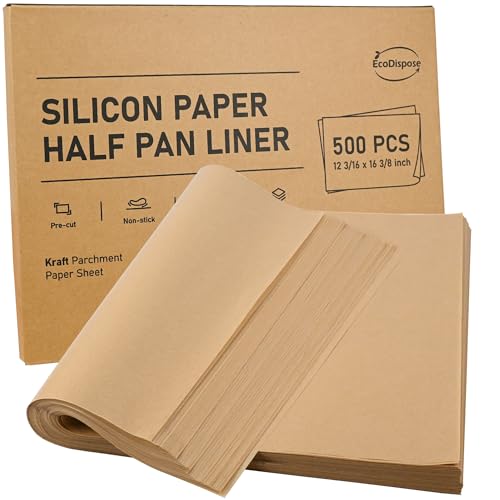
Precut and Half Pan Sheet: Includes 500 pcs Unbleached baking papers and each sheet is 12-3/16" x 16-3/8", perfectly fit the standard half sheet pan, making baking a breeze. Using pre-cut sheets allows you get rid of cutting parchment anymore.
Optimal Heat Range
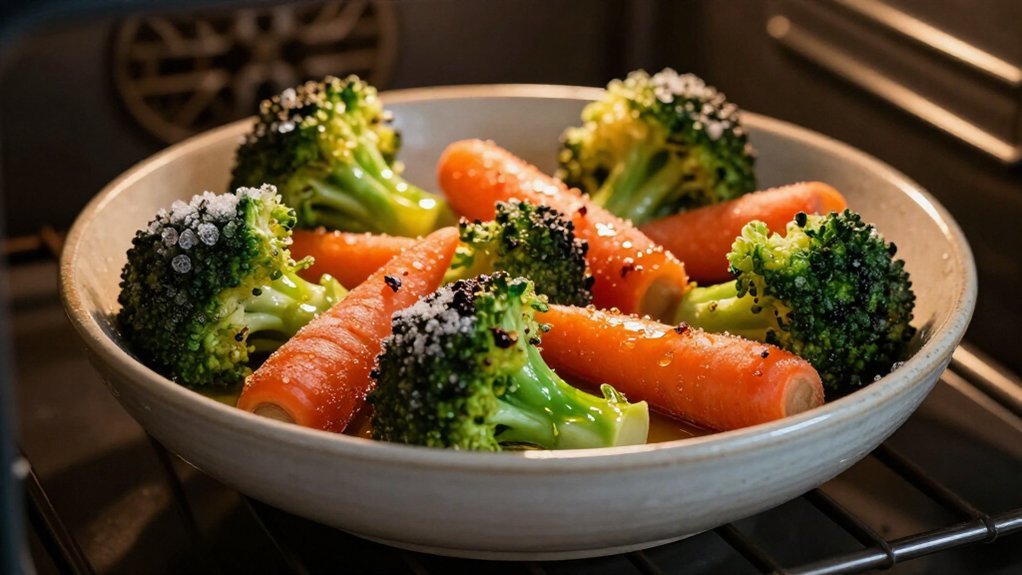
How hot should you set your oven when working with frozen vegetables? You’ll want to aim for 425-450°F. At 450°F, you’ll get crisper edges on everything from broccoli to sweet potatoes. The high heat evaporates moisture fast and triggers browning before sogginess sets in.
Best For: Crispy Results****
425°F: Standard frozen mixed vegetables
450°F: Starchy vegetables like sweet potatoes and Brussels sprouts
Spread vegetables in a single layer without overcrowding. Roast for 15 minutes, toss, then continue 5-10 minutes at the same temperature. If you use parchment, you’ll sacrifice some crispness on starchier vegetables, but cleanup becomes easier. Skip the parchment if maximum crunch matters most to you.
High Heat Benefits
You already know the right temperature range, but let’s look at why those high numbers matter so much.
Best For: Crisp, browned results
High heat drives rapid surface dehydration. This triggers Maillard reactions, the chemical magic that creates golden color and complex flavor. At 450°F, you’ll get crisper edges and faster cooking than at 375–425°F, which tends to steam vegetables into softness.
Best For: Speed and efficiency
Most frozen vegetables finish in 15–25 minutes at 425–450°F. Spread them in a single layer. Don’t crowd the pan.
Best For: Maximum crunch
Skip parchment and roast directly on a well-oiled sheet. Parchment prevents sticking but slightly reduces crispness. Preheat your oven fully before the vegetables go in. No par-cooking needed.
Parchment Paper or Bare Pan for Crispy Results
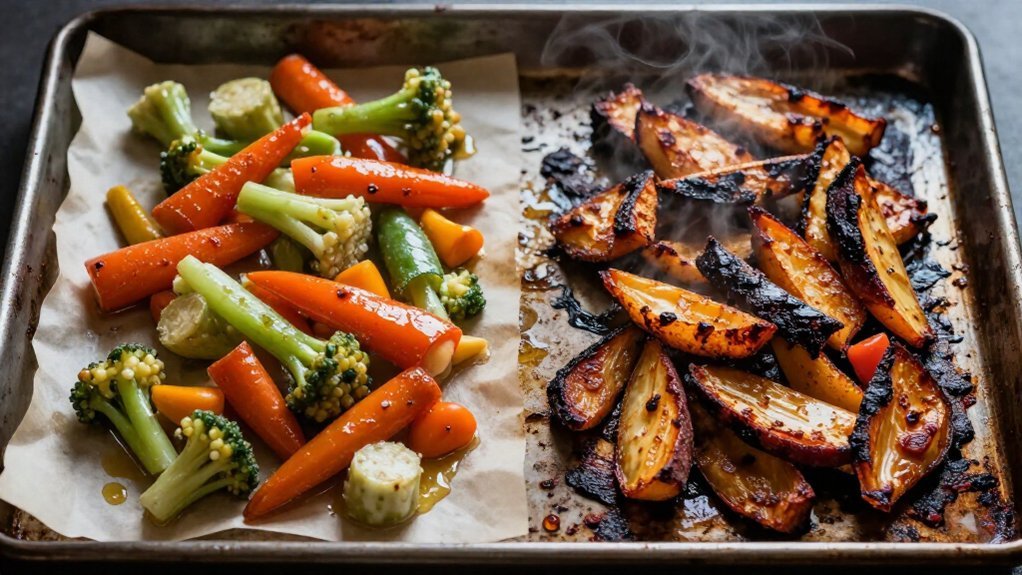
You want crispy roasted frozen vegetables, but you’re stuck choosing between parchment paper and a bare metal pan. Parchment prevents sticking and speeds cleanup, yet it can soften those caramelized edges you crave.
A naked sheet pan delivers maximum crunch when you oil it well and spread veggies in a single layer without crowding.
Recommended Products

One 12-ounce bag of Frozen California Vegetable Blend

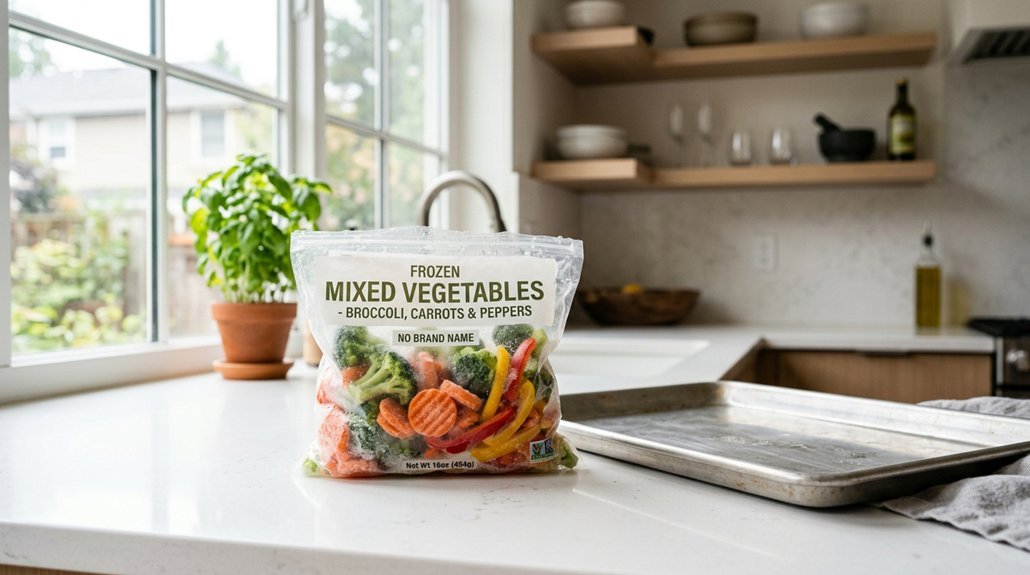
One 12-ounce bag of Frozen Mixed Vegetables

Brought to you by Whole Foods Market. The packaging for this product has a fresh new look. During this transition, you may get the original packaging or the new packaging in your order, but the product and quality is staying exactly the same. Enjoy!
Parchment vs. Bare Pan
Why does crispiness hinge so much on what sits between your vegetables and the metal? I’ve tested both methods dozens of times, and the difference is real.
Parchment Paper
Parchment prevents sticking and makes cleanup easier, especially with starchier veggies like potatoes or butternut squash. It keeps edges clean and reduces browning where undersides touch the sheet.
But I’ve noticed it can soften that final crunch.
*Best for:* Single-layer roasting when you want easy cleanup.
Bare Pan
You roast directly on unlined metal for maximum crispness. The tradeoff is more sticking and scrubbing later.
I start with a bare pan, monitor after 15 minutes, toss, then finish 5 to 10 more minutes as edges turn crispy.
*Best for:* Maximum crunch on broccoli, Brussels sprouts, or cauliflower.
Key Tip: Avoid overcrowding either way. Crowding kills air circulation and crispy edges.
Crispiness Trade-Offs
Crispiness isn’t guaranteed, no matter which surface you pick. Your choice between parchment and bare pan directly shapes the final texture.
Parchment Paper
You’ll get easier cleanup and less sticking. However, expect slightly softer edges. Moisture gets trapped between the paper and vegetables, slowing browning. Best for: starchier frozen veggies like potatoes or butternut squash.
Bare Metal Pan
You’ll achieve crisper edges, especially at 425–450°F. Direct contact with hot metal drives faster evaporation. Best for: broccoli, cauliflower, or Brussels sprouts where crunch matters.
Maximize Either Method
Spread vegetables in a single layer without overcrowding. Toss after 15 minutes, then roast 5–10 minutes more.
Both approaches work. Your priority, crispiness or convenience, decides the winner.
Sticking Solutions
A sticky pan ruins dinner fast. You’ve got two solid paths here, and each delivers different results.
Parchment Paper
You line the sheet, dump the frozen veggies on, and forget about scraping later. Cleanup takes thirty seconds. The trade-off: you’re sacrificing some crunch. The paper creates a small barrier between the vegetable and the hot metal.
Bare Metal Baking Sheet
You go naked pan for maximum crispiness. The vegetables sit right on the surface, browning harder and faster. You’ll scrub afterward, but you’ll taste the difference.
Either Way, Do This
- Preheat to 425°F
- Spread in a single layer, no overlapping
- Don’t touch them for fifteen minutes
Best For: Parchment suits weeknight speed. Bare pan suits crunch obsessives. Pick your battle.
Best Frozen Vegetables to Roast (and Mixes to Avoid)
Not all frozen vegetables roast equally well, so you’ll want to choose wisely before you preheat your oven.
Best For Roasting
Grab broccoli, cauliflower, carrots, Brussels sprouts, or green beans. Pick single-vegetable bags or mixes with similar-sized pieces. They’ll brown evenly and turn crispy at the edges.
Prettheat to 425-450°F. Roast 15 minutes untouched, then toss and finish 5-10 minutes.
Best For Browning
Uniform sizes win. Spread in a single layer without crowding.
Mixes to Avoid
Skip bags with corn, peas, or other starchy, watery vegetables. They’ll turn mushy instead of caramelized.
Parchment Note
Skip parchment for crisper results on starchier options, or use it and accept slightly softer edges. Either way, watch your sheet closely.
Recommended Products

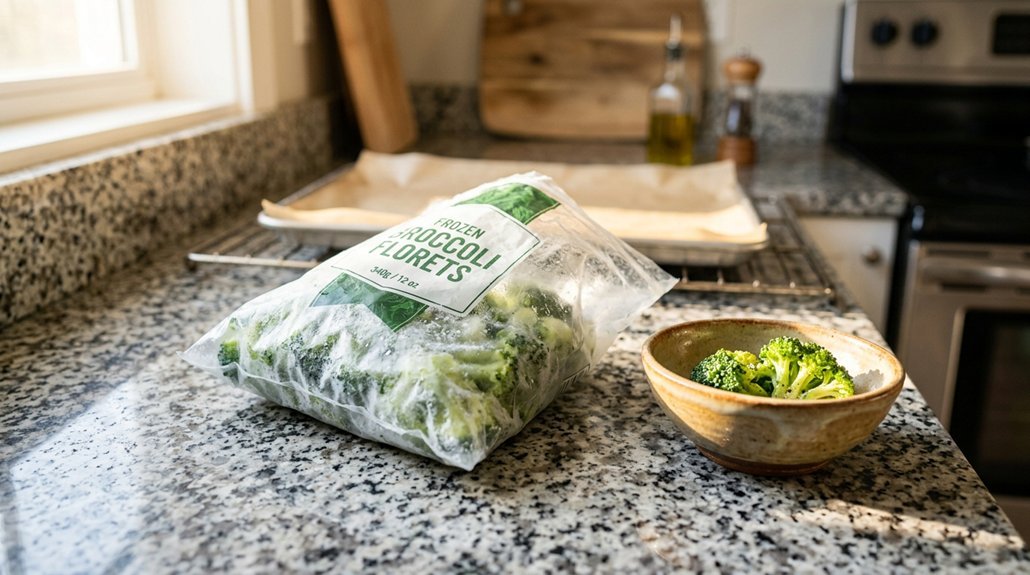
One 12-ounce bag of Frozen Broccoli Florets

Brought to you by Whole Foods Market. The packaging for this product has a fresh new look. During this transition, you may get the original packaging or the new packaging in your order, but the product and quality is staying exactly the same. Enjoy!

One 14 oz bag of Birds Eye Oven Roasters, Seasoned Broccoli and Cauliflower Frozen Vegetables
Simple Seasoning Ideas for Roasted Frozen Vegetables
Once you’ve picked your vegetables and spread them out right, you’ll want to season them well. Toss your frozen veggies with 1 tablespoon of oil and your chosen seasonings before you spread them in a single layer. This step locks in flavor and helps edges turn crispy.
Best For: Basic Flavor
- Salt and pepper
- Thyme, rosemary, or oregano
Best For: Bright Finishes
- Balsamic vinegar
- Lemon juice
Coat vegetables well and don’t overcrowd the pan. Soggy edges ruin the texture you’re after. Use a single vegetable or a mixed blend like broccoli and cauliflower with complementary seasonings.
After roasting, sprinkle a little more salt or seasoning right before serving. That final touch wakes everything up. Keep it simple, and you’ll taste the difference.
Recommended Products

SWEET POTATOES: Easy to prepare frozen sweet potatoes, full of flavor; An ideal side dish or addition to casseroles, bakes, and beyond

One 14 oz bag of Birds Eye Oven Roasters, Seasoned Sweet Potatoes, Carrots and Red Potatoes Frozen Vegetables

FROZEN VEGETABLES: Ready-to-roast frozen veggies to complement any protein or recipe; Serve them as a family favorite side dish or meal addition
Common Roasting Mistakes and How to Fix Them
Why do your roasted frozen vegetables turn out soggy when others get that perfect crisp? You’re probably overcrowding the pan. Spread your vegetables in a single layer with space between pieces. This lets them brown evenly instead of steaming in their own moisture.
You’re also likely roasting at too low a temperature. Crank your oven to 425–450°F. Lower temps steam your veggies instead of roasting them.
Best For: Crisp edges
– Skip parchment paper; use a lightly oiled tray instead. Parchment prevents sticking but reduces surface crispness.
Best For: Easy cleanup
– Line with parchment, but know you’ll sacrifice some crunch.
Don’t skip tossing after 15 minutes. A quick turn builds even browning.
And keep that oven door closed during the first 15 minutes. You’re losing heat every time you peek.
Recommended Products
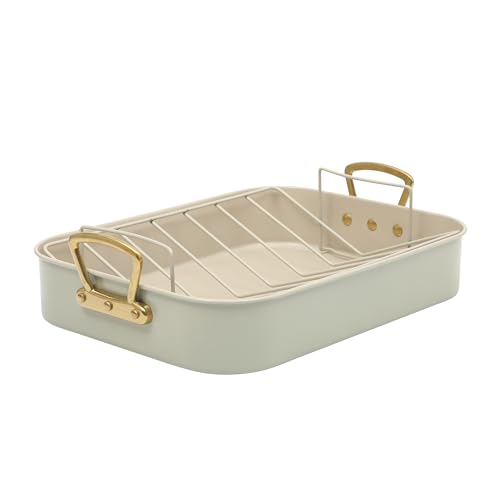
A BOX INCLUDES: One roaster pan with cooling rack. Measures 16 x 12 x 3 inches.

VERSATILE ROASTING PAN – A cookware essential. This big 15 inch roaster is ideal for cooking turkey, chicken or beef, along with other meats and vegetables.

✔️ WHY CHOOSE ALUMINUM FOR BAKING - Our 0.8mm thick aluminum roaster oven pan provides superior heat conduction, extra longevity and durability, on top of the corrosion and rust-resistant property of aluminum. The large nonstick rack is made from carbon steel with nonstick coating, the whole will resist baking safely at 450℉.
How to Store and Reheat Roasted Frozen Vegetables
You’ve got the roasting down, and now you’re staring at a tray of extra vegetables. Refrigerate them within two hours to lock in safety and quality. Pack leftovers into an airtight container. They’ll keep in the fridge for three to four days, or you can freeze them for longer storage.
Best Reheat Methods
- Oven at 375–425°F: Spread veggies in a single layer. Heat five to ten minutes until edges crisp. Best for small batches.
- Toaster oven: Same temperature, same results. Best for one to two servings.
- Microwave: Faster, but edges soften. Best when you’re in a rush.
Skip extra oil when reheating. A single layer prevents steaming and saves that hard-won texture. You worked for those crispy edges; don’t lose them now.
Recommended Products
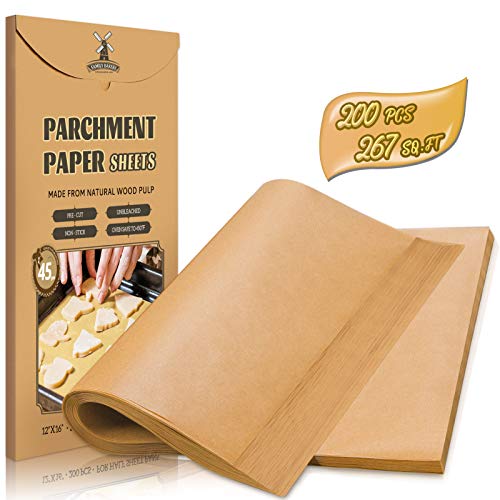
EXTRA THICKENED: Each of these 200 pieces of parchment is extra thick, and our parchment paper is 45gsm. more durable and less brittle, so you can easily pick up the food on the baking sheet by lifting parchment paper without any breaking. MOREOVER, IT IS MORE COST-EFFECTIVE

GREASE-PROOF paper with standard release commercial baking pans

EXTRA STRONG - Parchment paper sheets size: 16x24 Inch. 100pcs baking parchment paper made with FSC-certified wood pulp, extra thicker 45gsm paper vs commonly used 35gsm or 40gsm paper, it's about 12% thicker than others'. We define it as heavy duty parchment paper.
Meal Prep Tips for Busy Weeknights
How do you get dinner on the table when the clock’s running down? You roast frozen vegetables in batches ahead of time.
When time runs short, roast frozen vegetables in batches ahead of time.
Prep Like This
- Preheat to 425–450°F and spread frozen veggies in a single layer on parchment-lined sheets. You’ll get even browning without sticking.
- Toss with 1 tablespoon oil plus seasonings, then roast 15 minutes. Flip and finish 5 to 10 minutes until edges crisp.
Sizing and Spacing
Keep vegetables around ½ inch, especially smaller pieces. They’ll brown faster. Don’t overcrowd the pan or you’ll steam instead of crisp.
Batch Cook on Weekends
Roast larger batches Sundays or game days. Store in the fridge for quick weeknight meals.
Best For: Uniform times, stick to one vegetable or similar-cooking pairs like broccoli and cauliflower. Simpler planning, better results.
Recommended Products

One 12 ounce bag of Stir-Fry Vegetable Blend

Brought to you by Whole Foods Market
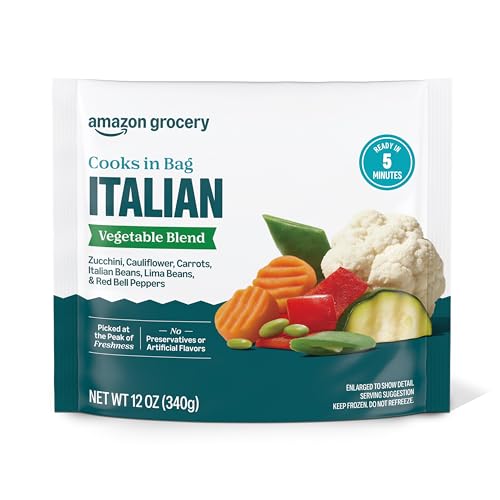
One 12 ounce bag of Italian Vegetable Blend