
365 Low-Fat Main Dishes — One Recipe for Every Day!
Easy, beginner-friendly, with full nutrition info.
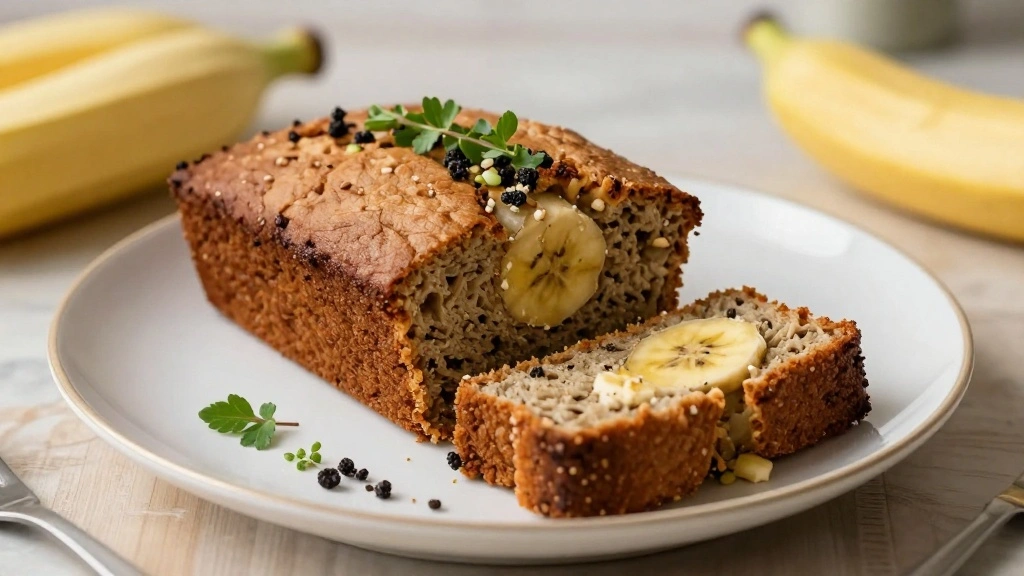
👉 Download Now – Just $2.90!There’s something incredibly comforting about the aroma of freshly baked banana bread wafting through the house.
This super moist banana bread recipe is a staple in my kitchen, particularly during the cooler months when cozy flavors are so inviting.
The perfect balance of sweetness and banana flavor makes it an irresistible treat for breakfast or dessert.
The secret to its moistness lies in the combination of ripe bananas and a few key ingredients that ensure a tender crumb.
Whether you’re a seasoned baker or just starting out, this banana bread will become a beloved favorite in no time.
The History and Cultural Significance
• Super Moist Banana Bread traces its origins to the early 20th century in America, where it was originally created as a way to use overripe bananas rather than wasting them.
• The dish evolved over decades as baking powder and baking soda became available, eventually becoming the beloved version we know today.
• In American culture, this dish traditionally appears at family gatherings and bake sales, symbolizing warmth and hospitality.
• While many variations exist across different regions, the authentic version maintains a dense, moist texture that sets it apart from imitations.



Recipe Overview
Nutritional Information (per serving)




Essential Equipment Guide
Loaf Pan: A standard 9×5-inch loaf pan is essential for achieving the classic banana bread shape and even baking. Alternatives like muffin tins or mini loaf pans can work but will require adjustments in baking time.
Mixing Bowls: Using a set of mixing bowls allows you to keep wet and dry ingredients separate until combining them, ensuring even distribution of ingredients.
Wire Rack: A wire rack is crucial for cooling the bread evenly, preventing it from becoming soggy on the bottom.
Ingredients
For the Base
|
| Amount | Ingredient | Notes |
|---|---|---|
| 1 3/4 cups | all-purpose flour | sifted for light texture |
| 1 teaspoon | baking soda | helps the bread rise |
| 1/2 teaspoon | salt | enhances flavor |
For the Wet Ingredients
| Amount | Ingredient | Notes |
|---|---|---|
| 1/2 cup | unsalted butter | melted, adds richness |
| 3/4 cup | brown sugar | adds sweetness and moisture |
| 2 large | eggs | room temperature, for structure |
| 3 large | ripe bananas | mashed, for flavor and moisture |
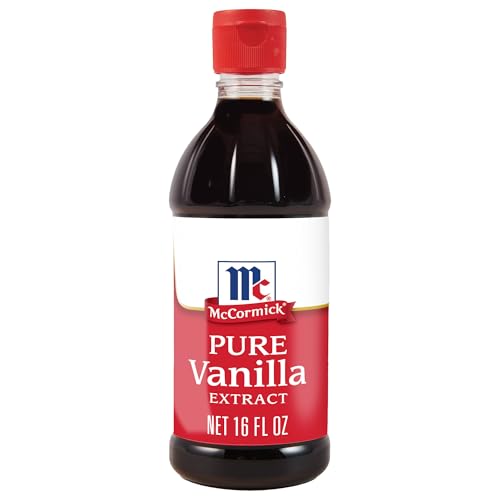
| 1 teaspoon | vanilla extract | enhances flavor |




Preparation Methods
Mashing Bananas: Mashing the bananas thoroughly ensures they incorporate evenly into the batter, providing moisture and sweetness. Use a fork or potato masher for the best results.
Folding Technique: Gently folding the wet and dry ingredients together prevents overmixing, which can lead to a tough texture. Use a spatula to fold until just combined.
Testing for Doneness: Inserting a toothpick into the center of the loaf is a traditional method to check doneness. If it comes out clean or with a few crumbs, the bread is ready.



Step 1: Preheat the Oven
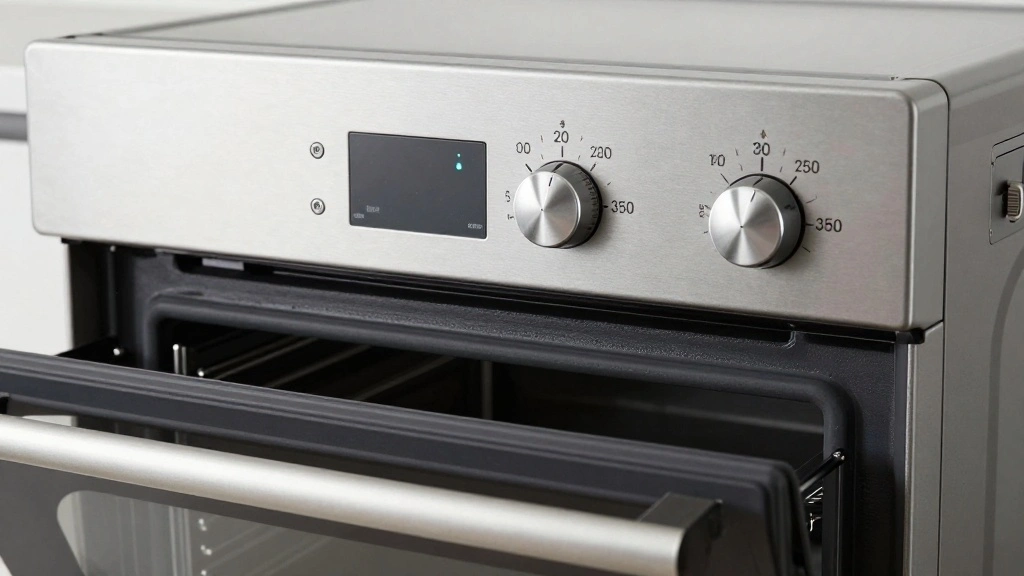
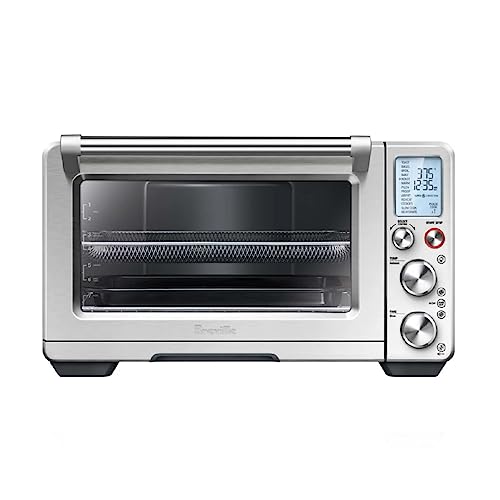
Preheat your oven to 350°F (175°C).
This ensures an even baking temperature from the start.
Allow the oven to reach full temperature before placing the bread inside.
Use an oven thermometer for accuracy if your oven tends to be unreliable.




Step 2: Prepare the Loaf Pan
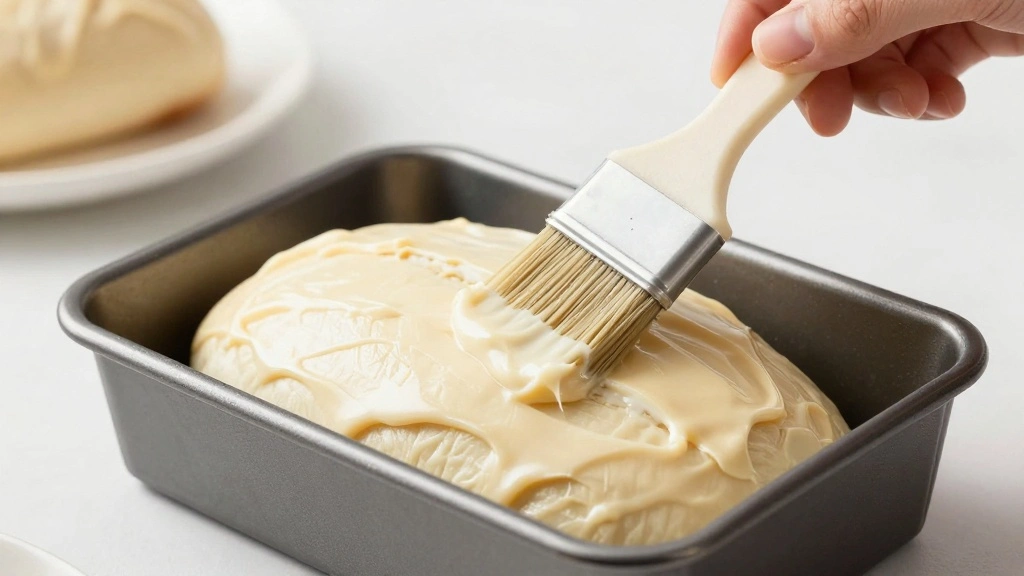
Grease a 9x5-inch loaf pan with butter or non-stick spray.
This prevents the banana bread from sticking and makes it easier to remove after baking.
Ensure the entire interior of the pan is coated evenly.
Lining the bottom with parchment paper can also help with removal.


Step 3: Mix Dry Ingredients
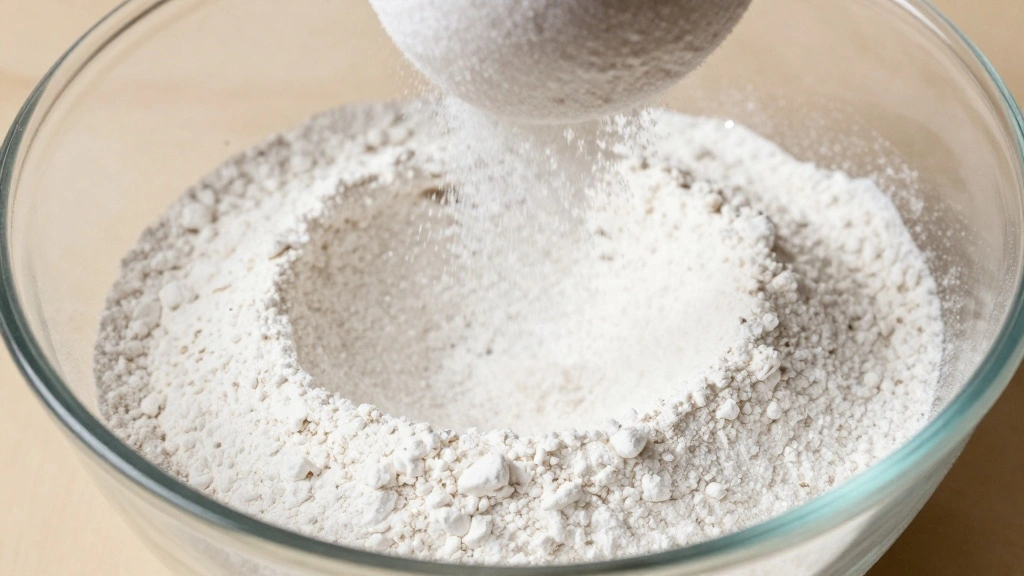
In a medium-sized mixing bowl, combine the flour, baking soda, and salt.
Sift the ingredients together to ensure they are well incorporated.
This step helps to aerate the flour and distribute the baking soda evenly.
Set the bowl aside for later use.
Step 4: Mash the Bananas
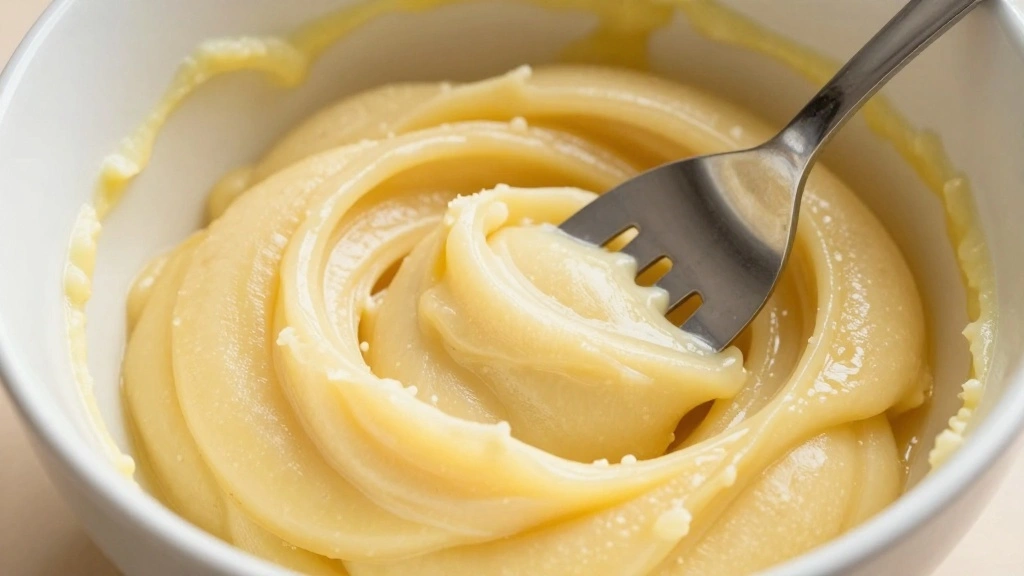
Peel and mash the ripe bananas in a large mixing bowl.
Use a fork or potato masher to break them down until smooth.
Ensure there are no large chunks of banana left.
This step adds both flavor and moisture to the bread.
Step 5: Combine Wet Ingredients
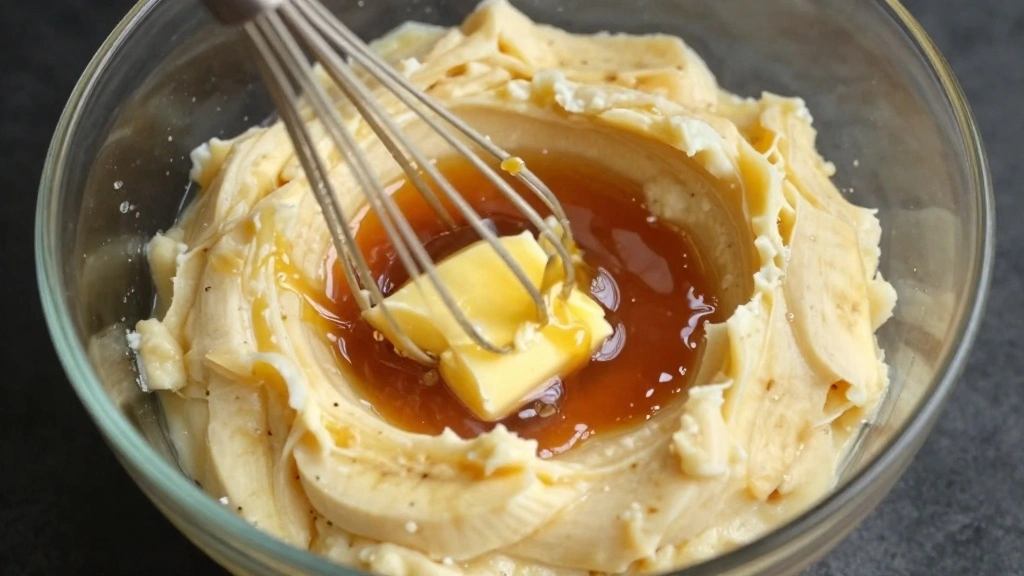
Add melted butter, brown sugar, eggs, and vanilla extract to the mashed bananas.
Whisk together until the mixture is smooth and creamy.
Ensure the sugar is fully dissolved.
This creates a rich, moist base for the bread.


Step 6: Mix Wet and Dry Ingredients
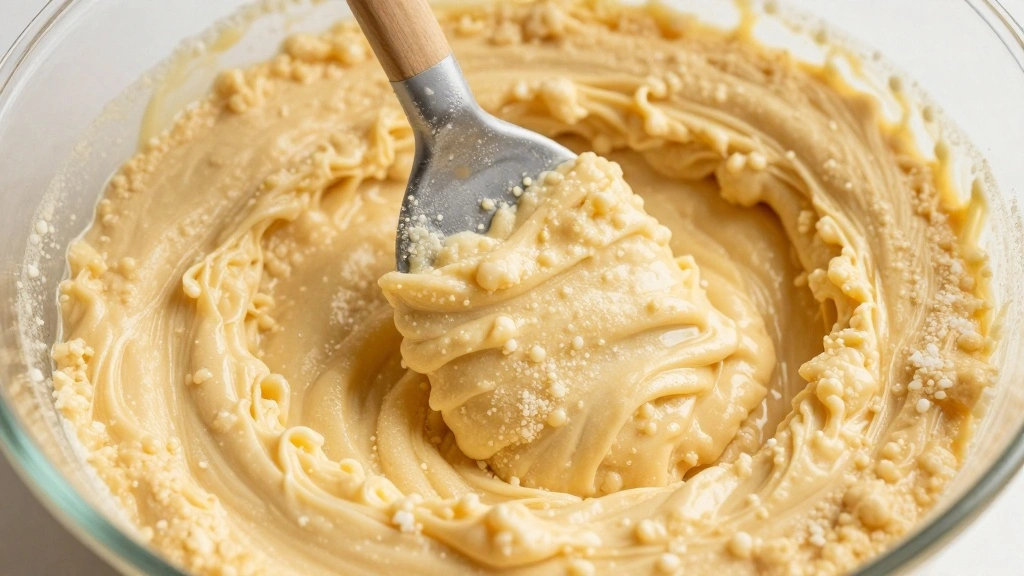
Pour the dry ingredient mixture into the bowl with the wet ingredients.
Use a spatula to gently fold the ingredients together.
Mix until just combined, being careful not to overmix.
The batter should be slightly lumpy.
Step 7: Pour Batter into Pan
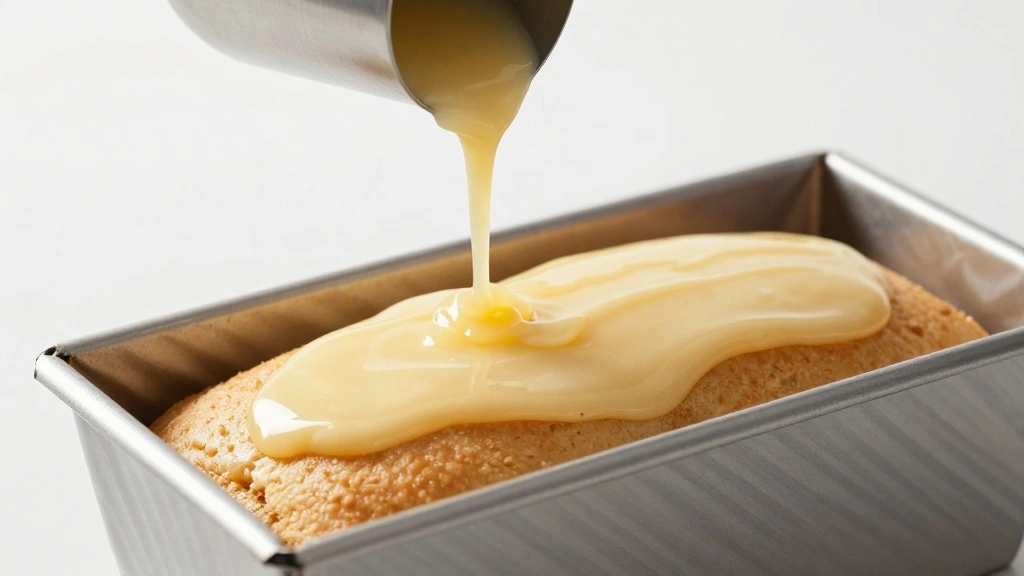
Pour the prepared batter into the greased loaf pan.
Use a spatula to spread it evenly in the pan.
Smooth the top to create an even surface.
This ensures the bread bakes evenly.



Step 8: Bake the Bread
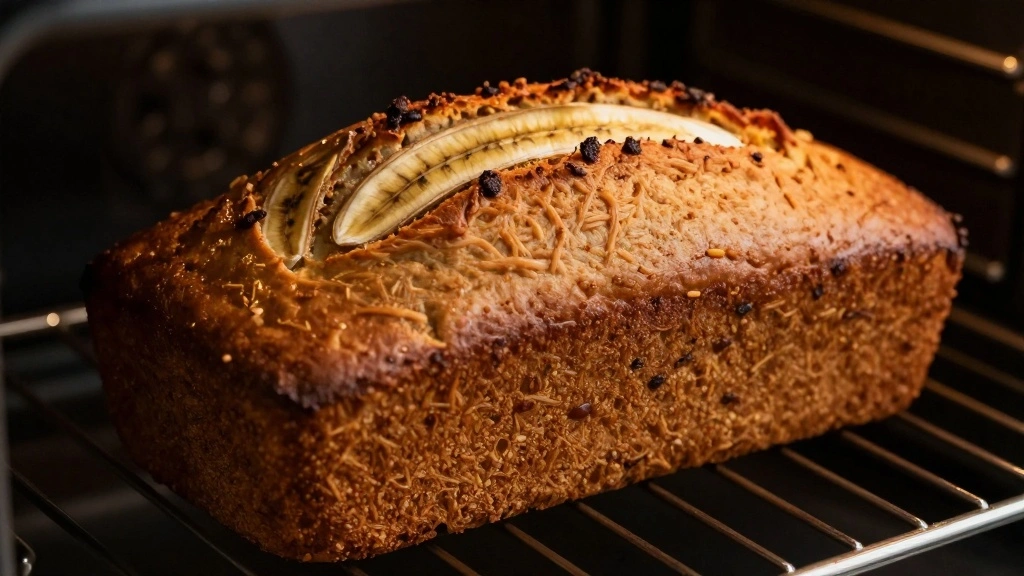
Place the pan in the preheated oven.
Bake for 60 minutes, checking at the 50-minute mark.
The top should be golden brown and a toothpick should come out clean.
Avoid opening the oven door frequently, as this can cause the bread to sink.



Step 9: Cool the Bread
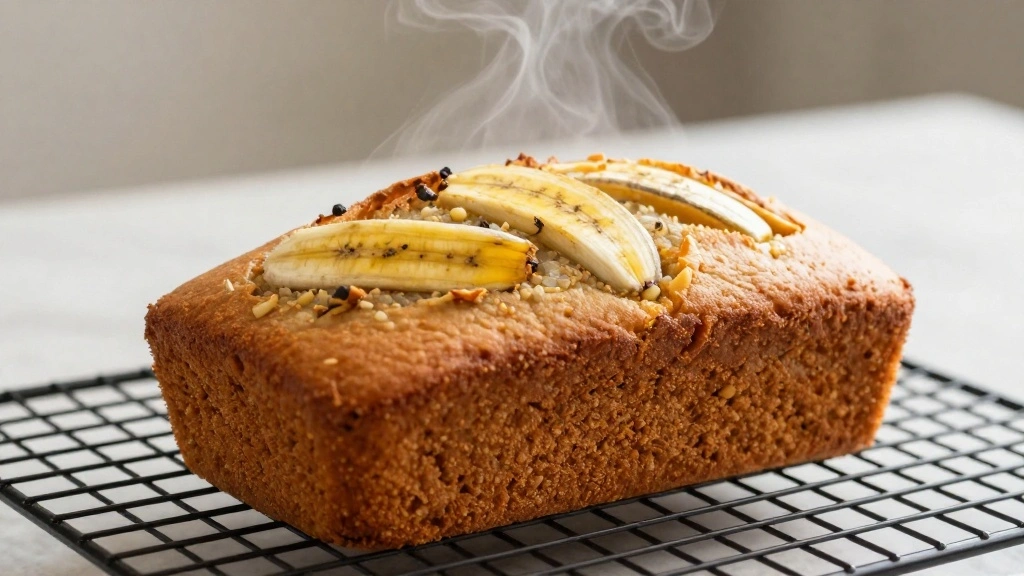
Remove the bread from the oven and let it cool in the pan for 10 minutes.
Transfer the loaf to a wire rack to cool completely.
Cooling on a rack prevents the bottom from becoming soggy.
Wait until fully cooled to slice for the best texture.


Critical Timing and Temperature Guide
Baking: Bake at 350°F (175°C) for 60 minutes. Check for a golden brown top and use a toothpick to test doneness. Avoid overbaking to prevent dryness.
Cooling: Allow the bread to cool in the pan for 10 minutes, then transfer to a wire rack. This ensures the bread sets properly and prevents sogginess.
Storage: Store in an airtight container at room temperature for up to 3 days or refrigerate for up to a week. This maintains moisture and flavor.
Pro Tips for Super Moist Banana
• Ingredient Selection: Use very ripe bananas with brown spots for maximum sweetness and moisture.
• Preparation Secret: Add a tablespoon of sour cream or yogurt for extra moisture and tenderness.
• Temperature Management: Ensure all ingredients are at room temperature before mixing for even incorporation.
• Texture Enhancement: Do not overmix the batter; a few lumps are acceptable and contribute to a tender texture.
• Flavor Layering: Enhance flavors by adding a pinch of cinnamon or nutmeg to the dry ingredients.
• Make-Ahead Strategies: Prepare the batter ahead and refrigerate for up to 24 hours before baking.
• Restaurant-Quality Finishing Touches: Brush the top with melted butter after baking for a glossy finish.
• Equipment Optimization: Use a good quality loaf pan to ensure even baking and prevent sticking.

Troubleshooting Common Issues
• Texture Too Dense: This may be due to overmixing the batter or using too much flour. Ensure you measure flour accurately and fold ingredients gently.
• Flavors Unbalanced: If the banana flavor is too weak, make sure to use ripe bananas and increase the vanilla slightly for more depth.
• Undercooked Center: Check your oven temperature with a thermometer and ensure the bread is baked through. Extend baking time by 5-10 minutes if necessary.
• Soggy Bottom: Allow the bread to cool on a wire rack to prevent condensation from making the bottom soggy.
• Cracked Top: This is usually caused by the oven being too hot. Lower the temperature slightly and bake a little longer for even cooking.


Variations and Regional Differences
• Hawaiian Style: Incorporates crushed pineapple and shredded coconut for a tropical twist, adding extra moisture and sweetness.
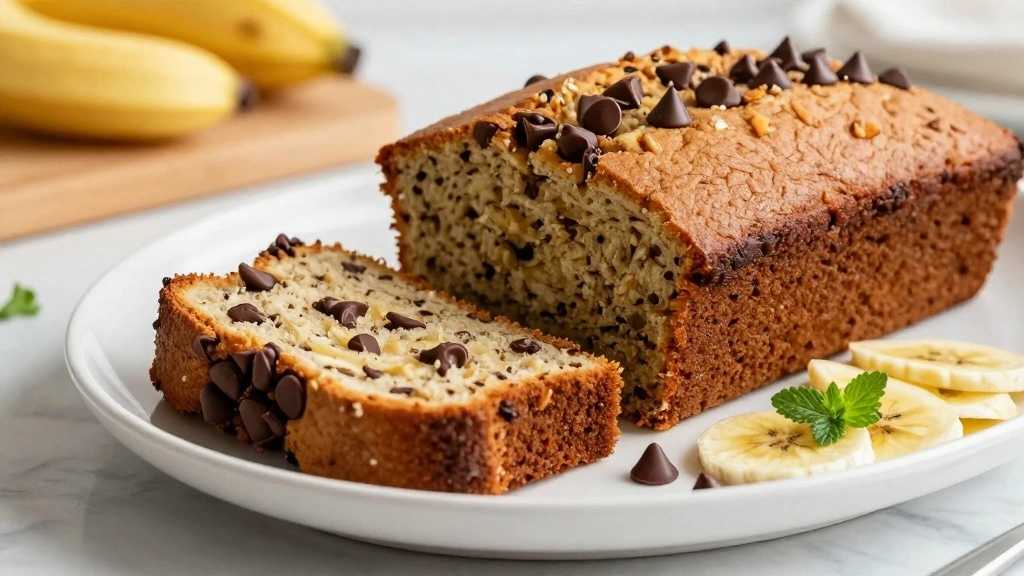
• Chocolate Chip Banana Bread: Add chocolate chips to the batter for a richer, dessert-like version that appeals to chocolate lovers.
• Vegan Banana Bread: Substitute eggs with flaxseed meal and use coconut oil instead of butter for a plant-based option.
• Spiced Banana Bread: Add spices such as cinnamon, nutmeg, and cloves for a warmer, spicier flavor profile.



Food Science Behind the Recipe
• Ripening Bananas: Ripe bananas release natural sugars and moisture, which contribute to the bread's sweetness and tenderness.
• Leavening Agents: Baking soda reacts with the acidity in bananas to help the bread rise, creating a light, fluffy texture.
• Maillard Reaction: The browning of the bread's crust occurs due to the Maillard reaction, which enhances flavor and creates a pleasing appearance.
Frequently Asked Questions
What's the most common mistake people make when preparing banana bread? Overmixing the batter, which can lead to a dense, tough texture.
Can I freeze banana bread? Yes, wrap it tightly in plastic wrap and foil before freezing for up to 3 months.
How can I make banana bread more moist? Use very ripe bananas and consider adding a dollop of yogurt or sour cream.
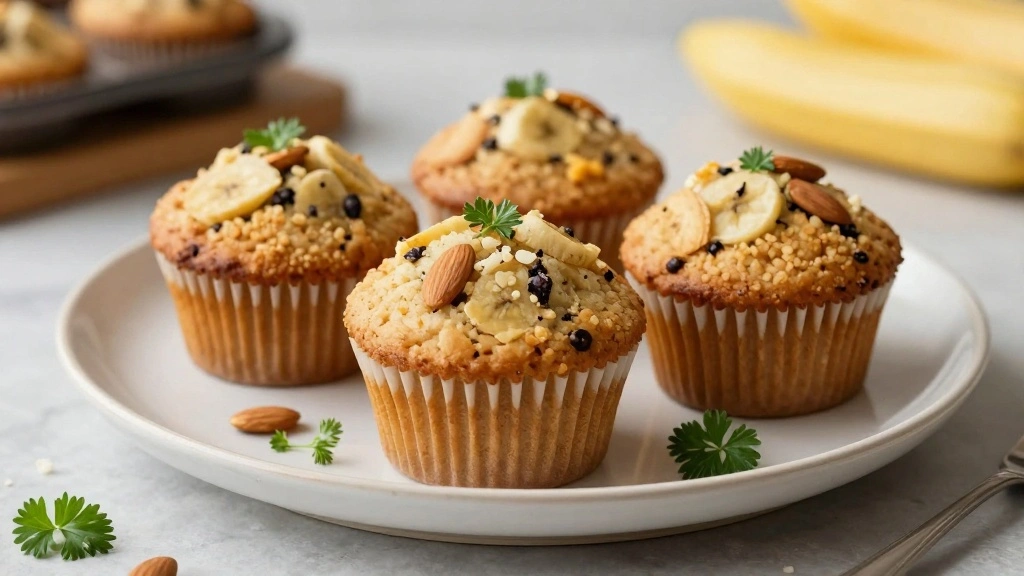
What if I don't have a loaf pan? You can use muffin tins or a cake pan, but adjust the baking time accordingly.
Can I add nuts to the recipe? Absolutely, chopped walnuts or pecans add a nice crunch and flavor.
How do I know when the banana bread is done? Insert a toothpick into the center; it should come out clean or with a few crumbs.
Can I use whole wheat flour instead? Yes, but it will produce a denser bread. Consider using half whole wheat and half all-purpose flour.
Serving and Presentation Guide
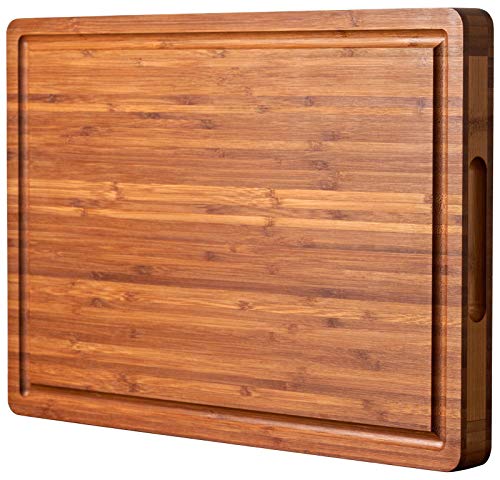
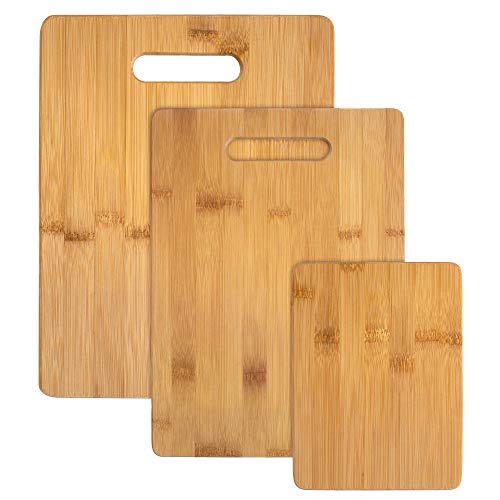
• Traditional Presentation: Serve sliced on a wooden board with a pat of butter.
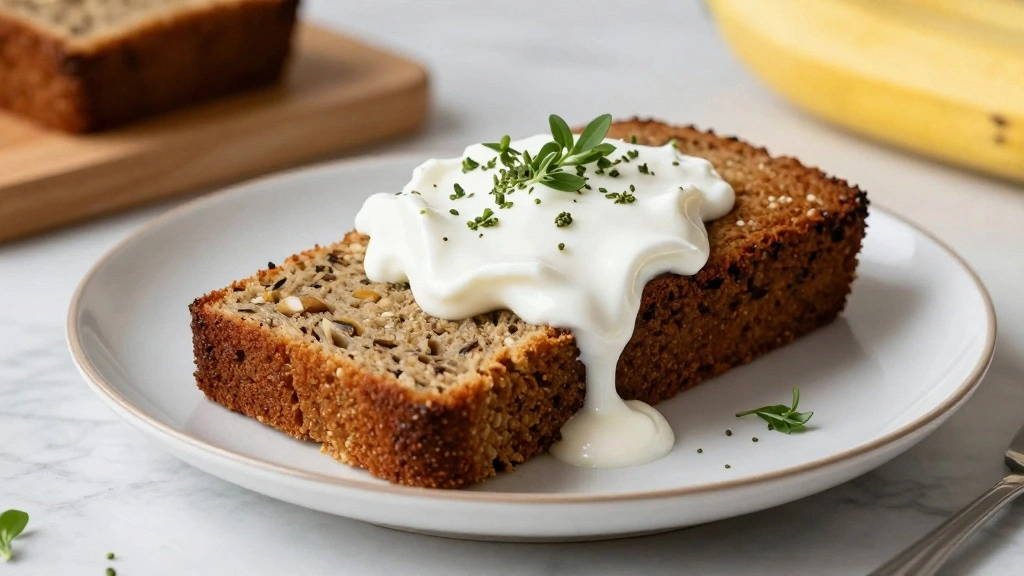
• Breakfast Spread: Pair with fresh fruit and a dollop of Greek yogurt for a wholesome breakfast.
• Afternoon Tea: Serve alongside tea or coffee with a dusting of powdered sugar on top.
• Dessert Plate: Accompany with a scoop of vanilla ice cream and a drizzle of caramel sauce for an indulgent dessert.


Conclusion
Banana bread is a timeless classic that's easy to make and even easier to enjoy.
With this super moist banana bread recipe, you'll impress family and friends with a delightful homemade treat.
So why not gather those ripe bananas and get baking today?