
365 Low-Fat Main Dishes — One Recipe for Every Day!
Easy, beginner-friendly, with full nutrition info.
👉 Download Now – Just $2.90!There’s something undeniably comforting about a bowl of Strawberry Banana Pudding, a dessert that perfectly encapsulates the essence of summer in every bite.
The combination of fresh strawberries and ripe bananas creates a harmonious symphony of sweetness and tang.
I first encountered this delightful treat at a summer picnic, where its vibrant colors and creamy texture instantly caught my attention.
Whether you’re hosting a garden party or simply indulging in a sweet craving, this Strawberry Banana Pudding is sure to impress with its luscious layers and refreshing flavors.
The History and Cultural Significance
• Strawberry Banana Pudding traces its origins to the Southern United States, where it was originally created as a twist on the classic banana pudding.
• The dish evolved over decades as fresh strawberries were incorporated into the traditional banana and vanilla custard, eventually becoming the beloved version we know today.
• In Southern culture, this dish traditionally appears at family gatherings and picnics, symbolizing hospitality and the abundance of summer produce.
• While many variations exist across different regions, the authentic version maintains a creamy custard base and fresh fruit topping that sets it apart from imitations.



Recipe Overview
Nutritional Information (per serving)
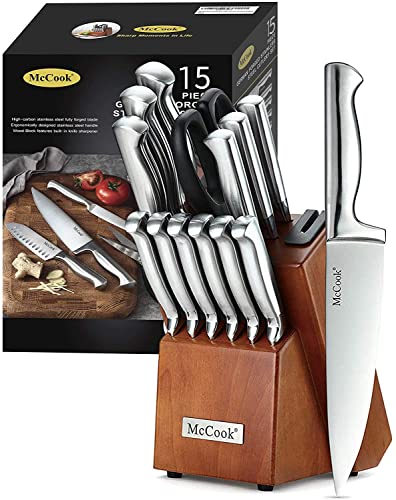
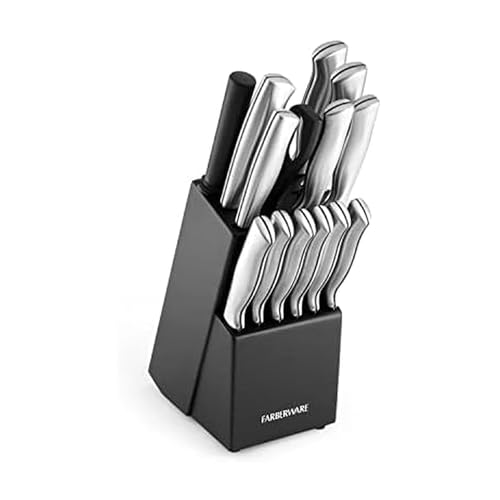
Essential Equipment Guide
Mixing Bowl: A large mixing bowl is crucial for combining ingredients evenly and smoothly. A stainless steel or glass bowl works best as it doesn’t retain odors and is easy to clean.
Whisk: A whisk is essential for creating a smooth and creamy custard. Look for a whisk with a comfortable handle and flexible wires.
Double Boiler: Using a double boiler ensures the custard cooks evenly without curdling. If unavailable, a heatproof bowl set over a pot of simmering water can serve as an alternative.
Ingredients
For the Custard
|
| Amount | Ingredient | Notes |
|---|---|---|
| 2 cups | milk | adds creaminess |
| 3 tablespoons | cornstarch | thickens the custard |
| 1/2 cup | sugar | sweetens the base |
| 2 | egg yolks | adds richness |
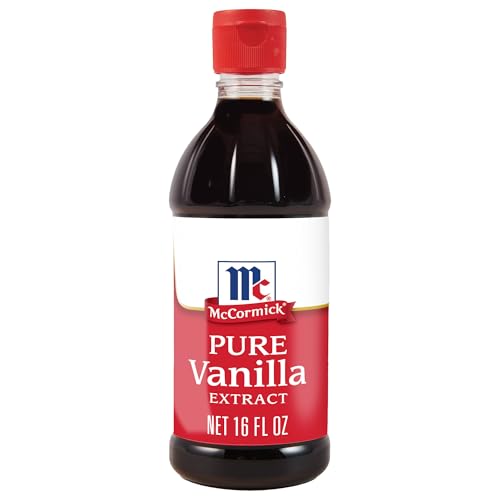
| 1 teaspoon | vanilla extract | enhances flavor |
For the Fruit Layer
| Amount | Ingredient | Notes |
|---|---|---|
| 2 cups | strawberries | sliced, for fresh flavor |
| 2 | bananas | sliced, ripe |
For Assembly
| Amount | Ingredient | Notes |
|---|---|---|
| 1 package | vanilla wafers | for layering |


Preparation Methods
Tempering Eggs: This technique involves slowly incorporating hot liquid into egg yolks to prevent them from curdling. It is vital for achieving a smooth custard texture.
Macerating Strawberries: This process involves sprinkling sugar over sliced strawberries to draw out their natural juices, enhancing their flavor and texture.
Layering Ingredients: Properly layering the pudding ingredients ensures even distribution of flavors and textures in each serving.


Step 1: Prepare Ingredients
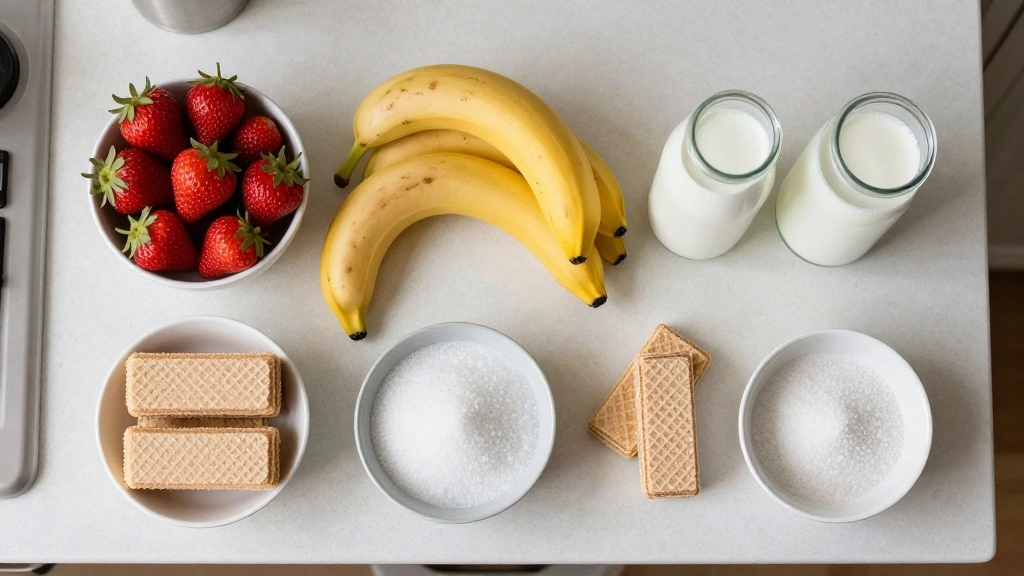
Gather all ingredients and ensure they are at room temperature.
Slice strawberries and bananas evenly for consistent layering.
Measure out sugar, milk, and other ingredients accurately.
Set aside vanilla wafers for easy access during assembly.




Step 2: Macerate Strawberries
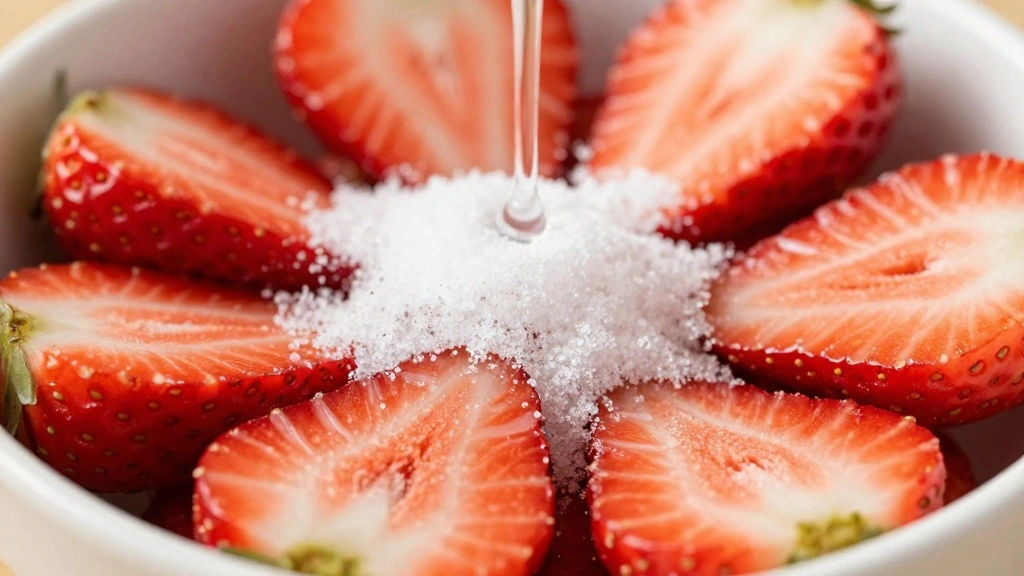
Place sliced strawberries in a bowl and sprinkle with a tablespoon of sugar.
Toss gently to coat the strawberries evenly.
Allow them to sit for 10 minutes to release juices.
This process enhances the strawberries' natural sweetness and flavor.
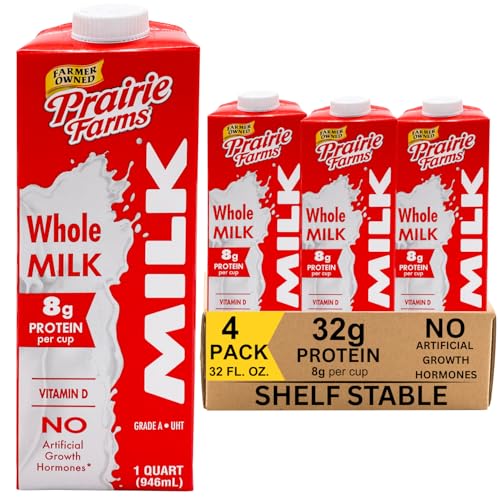
Step 3: Heat Milk
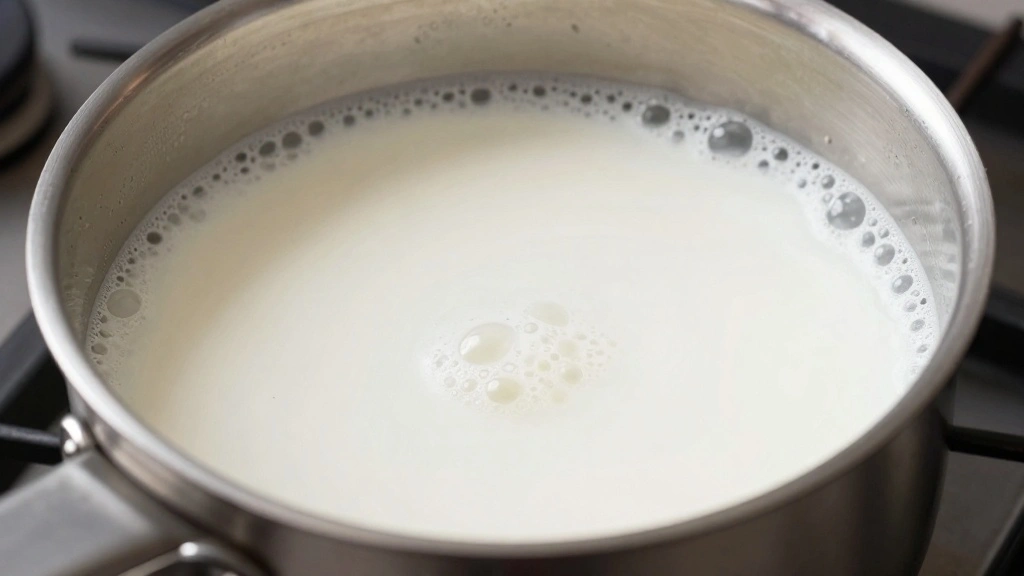
Pour milk into a saucepan and heat over medium-low heat.
Stir occasionally to prevent it from scorching.
Watch for tiny bubbles forming at the edges.
Do not allow the milk to boil, as this can affect the custard's texture.




Step 4: Temper Egg Yolks
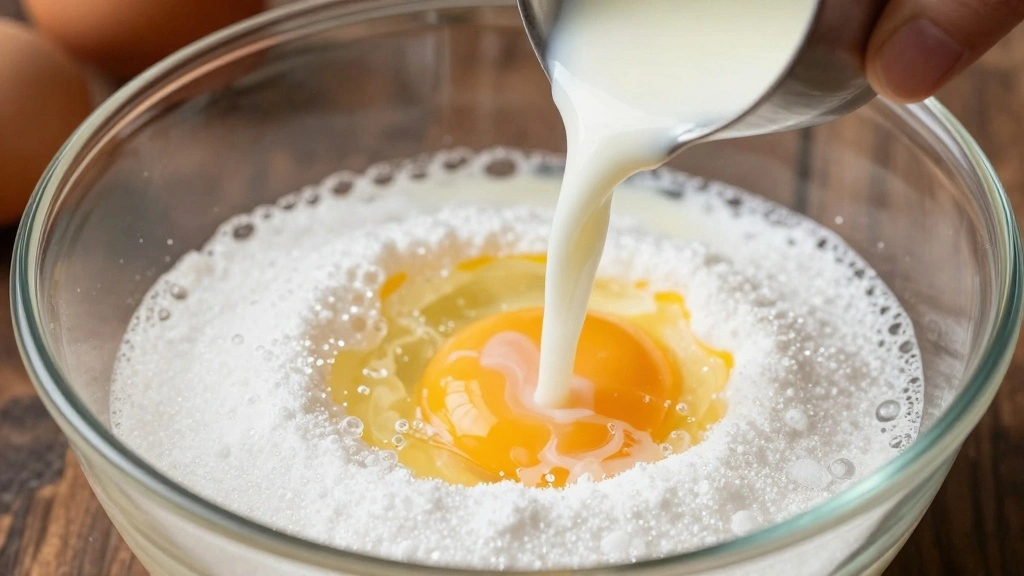
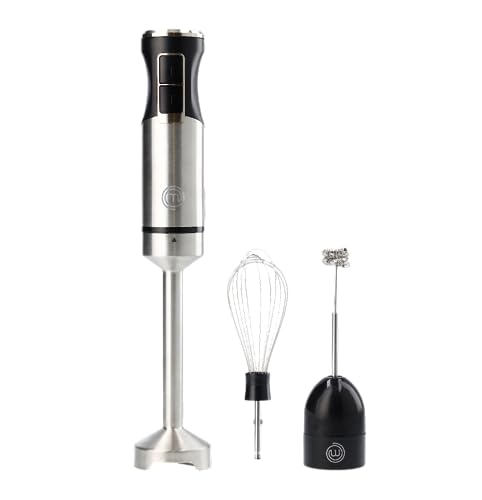
In a separate bowl, whisk together sugar and egg yolks until pale and creamy.
Gradually add a ladle of hot milk to the egg mixture while whisking.
Continue whisking until fully incorporated to prevent curdling.
This step ensures a smooth and creamy custard.
Step 5: Cook Custard
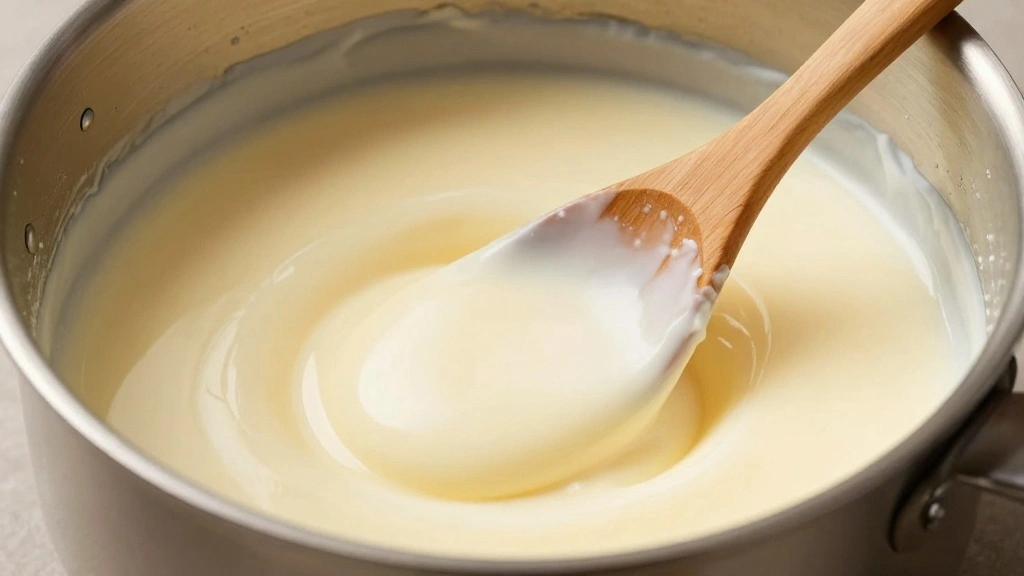
Return the tempered egg mixture to the saucepan with the remaining milk.
Cook over low heat, stirring constantly with a whisk.
Watch for the custard to thicken and coat the back of a spoon.
Remove from heat immediately to avoid overcooking.
Step 6: Add Vanilla
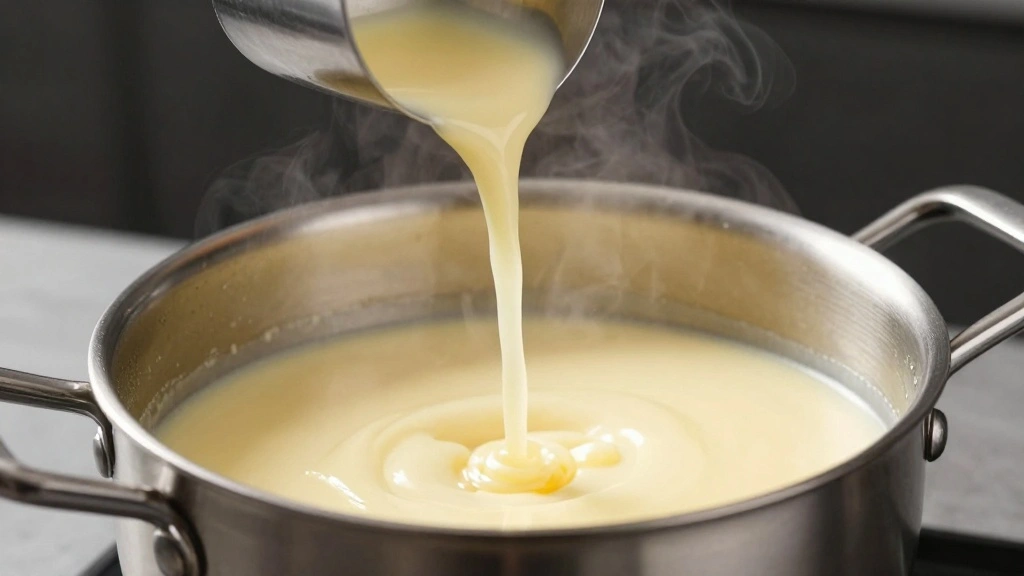
Remove the saucepan from heat and stir in the vanilla extract.
Ensure the vanilla is evenly distributed throughout the custard.
This step adds a warm, aromatic note to the dish.
Let the custard cool slightly before assembling the pudding.
Step 7: Layer Pudding
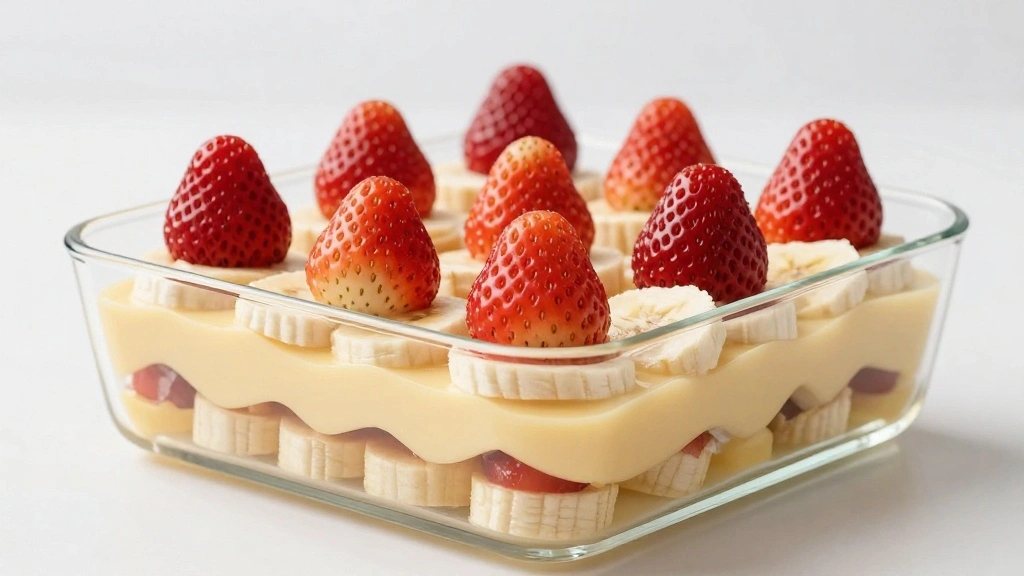
In a serving dish, start by placing a layer of vanilla wafers at the bottom.
Add a layer of sliced bananas and macerated strawberries.
Pour a layer of custard over the fruits and repeat the layers.
Finish with a final layer of custard on top.
Step 8: Chill and Serve
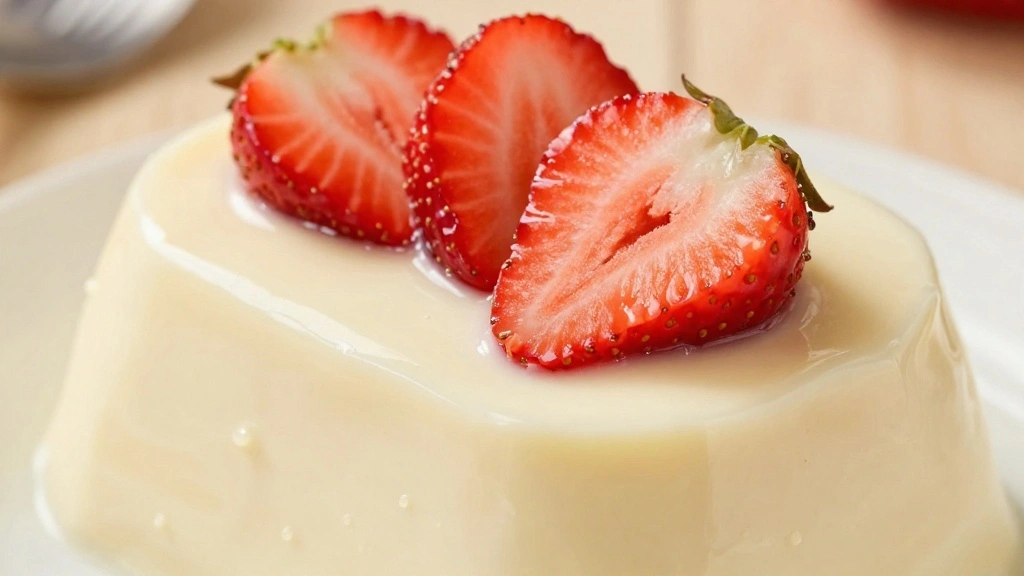
Cover the pudding with plastic wrap and refrigerate for at least 2 hours.
This allows the flavors to meld and the custard to set.
Before serving, garnish with fresh strawberry slices.
Serve chilled for the best flavor and texture.
Critical Timing and Temperature Guide
Custard Cooking: Cook the custard over low heat for about 10 minutes, stirring constantly. It should reach a temperature of 160°F. Avoid boiling.
Strawberry Maceration: Allow strawberries to macerate for at least 10 minutes. Look for a glossy appearance and release of natural juices.
Pudding Chilling: Chill the assembled pudding for at least 2 hours. Ensure it's fully set and chilled before serving.
Pro Tips for Strawberry Banana Pudding
• Ingredient Selection: Choose ripe, fragrant strawberries and bananas for the best flavor. Their natural sweetness greatly enhances the dish.
• Preparation Secret: Let the custard cool slightly before layering to prevent the wafers from becoming too soggy.
• Temperature Management: Ensure milk is warm but not boiling when tempering eggs to prevent curdling.
• Texture Enhancement: Use a whisk to stir the custard continuously for a smooth, lump-free texture.
• Flavor Layering: Macerate strawberries with a hint of lemon juice for added brightness and complexity.
• Make-Ahead Strategies: Prepare the custard and macerated strawberries a day in advance. Store separately in the refrigerator.
• Restaurant-Quality Finishing Touches: Add a dollop of whipped cream and a sprig of mint for an elegant presentation.
• Equipment Optimization: Use a silicone spatula to scrape every bit of custard from the pan, ensuring no wastage.


Troubleshooting Common Issues
• Custard Too Runny: This may be due to undercooking. Ensure the custard coats the back of a spoon before removing from heat. Reheat gently if needed.
• Fruit Sinking: This can occur if the custard is too warm during layering. Allow it to cool slightly before assembling.
• Flavors Unbalanced: If the pudding is too sweet, add a pinch of salt or a squeeze of lemon juice to balance flavors.
• Soggy Wafers: Ensure pudding layers are slightly cooled before assembly to prevent excessive moisture absorption by the wafers.
• Curdled Custard: Curdling can happen if the custard is cooked over high heat. Use low heat and constant stirring to avoid this issue.
Variations and Regional Differences
• Southern Style: This version includes whipped cream folded into the custard for a lighter, fluffier texture.
• Mexican Variation: Add a hint of cinnamon and nutmeg to the custard for a warm, spiced twist.
• Hawaiian Twist: Incorporate diced pineapple and coconut flakes for a tropical take on this classic dessert.
• British Influence: Use a sponge cake base instead of wafers, inspired by traditional British trifles.




Food Science Behind the Recipe
• Emulsification: The process of tempering eggs creates a stable emulsion that thickens the custard without curdling.
• Maceration: The sugar draws out moisture from the strawberries, concentrating their flavor and softening their texture through osmosis.
• Gelatinization: Cornstarch in the custard absorbs liquid and swells, providing structure and thickness to the pudding.



Frequently Asked Questions
What's the most common mistake people make when preparing Strawberry Banana Pudding? Overheating the custard is a frequent issue, leading to curdling. Always use low heat and stir constantly.
Can I use frozen strawberries? While fresh strawberries are preferred for their texture, frozen strawberries can be used if thawed and drained properly.
How can I prevent the bananas from browning? Toss them with a little lemon juice before adding to the pudding to maintain their color.
Is it possible to make this recipe vegan? Yes, substitute dairy milk with almond or coconut milk, and use cornstarch instead of eggs for thickening.
What type of vanilla wafers should I use? Opt for high-quality vanilla wafers for the best flavor and texture.
Can I add other fruits to the pudding? Absolutely! Blueberries and raspberries make excellent additions.
How long can I store the pudding? The assembled pudding can be stored in the refrigerator for up to 3 days.
Serving and Presentation Guide
• Traditional Presentation: Serve in a large glass dish to showcase the beautiful layers of fruit, custard, and wafers.
• Individual Servings: Use small glass jars or cups for personalized servings, perfect for parties.
• Layered Trifle: Present in a trifle bowl for an elegant and visually appealing dessert centerpiece.
• Garnished Elegance: Top with whipped cream and a mint sprig for a restaurant-quality finish.



Conclusion
Creating a delightful Strawberry Banana Pudding is a rewarding experience that combines simple ingredients into a masterpiece.
With its vibrant colors and refreshing taste, this dessert is sure to become a favorite at your table.
Whether you're a seasoned cook or a beginner, this recipe invites you to explore the joys of homemade treats.