
365 Low-Fat Main Dishes — One Recipe for Every Day!
Easy, beginner-friendly, with full nutrition info.
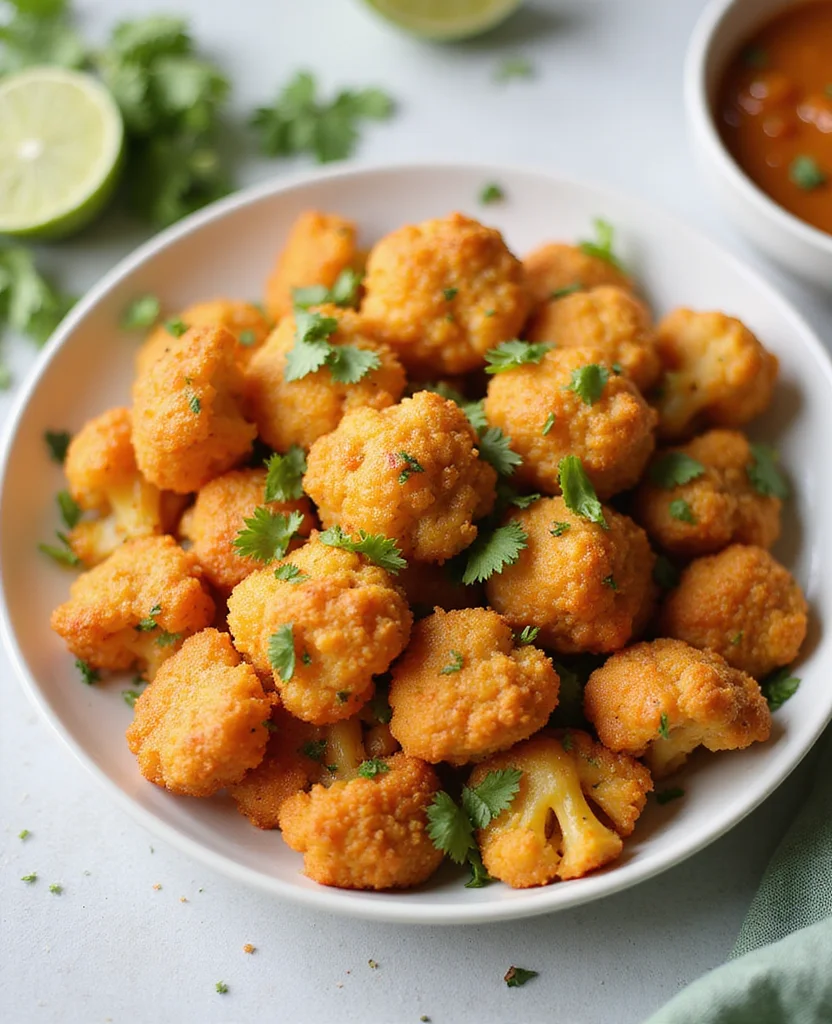
👉 Download Now – Just $2.90!Crispy Gobi Manchurian is a beloved dish that combines the vibrant flavors of India with a touch of Chinese culinary influence.
This spicy cauliflower delicacy features a tantalizing balance of heat, sweetness, and umami, leaving an unforgettable impression on your taste buds.
I first encountered this delightful recipe during a festive gathering in Mumbai, where its irresistible aroma filled the air.
Whether it’s a cozy family dinner or a lively party, Gobi Manchurian adds a deliciously crunchy and flavorful element to any meal.
With a simple preparation and a burst of flavors, it’s a dish that promises to become a staple in your culinary repertoire.
The History and Cultural Significance
• Manchurian Recipe Vegetarian: traces its origins to India in the mid-20th century, where it was originally created by Chinese immigrants.
• The dish evolved over decades as local spices and ingredients were incorporated, eventually becoming the beloved version we know today.
• In Indian culture, this dish traditionally appears at weddings and festivals, symbolizing the fusion of flavors and cultures.
• While many variations exist across different regions, the authentic version maintains its crispy texture and spicy sauce that sets it apart from imitations.



Recipe Overview
Nutritional Information


Essential Equipment Guide
Wok: A wok is essential for stir-frying the cauliflower quickly and evenly, ensuring a crisp texture. Alternatives like a large frying pan can work, but ensure it’s heavy-bottomed for even heat distribution.
Deep Fryer: This tool helps achieve the perfect crispiness in the cauliflower. If unavailable, a heavy deep pan with a thermometer for oil temperature monitoring will suffice.
Slotted Spoon: Important for removing fried cauliflower from the oil without excess oil retention. In its absence, use a regular spoon but ensure to drain oil properly.
Ingredients
For the Cauliflower
|
| Amount | Ingredient | Notes |
|---|---|---|
| 1 large | cauliflower | cut into bite-sized florets |
| 1 cup | all-purpose flour | for coating |
| 1 cup | cornstarch | adds crispiness |
| 1 teaspoon | salt | enhances flavor |
| 1/2 teaspoon | black pepper | adds mild heat |
For the Sauce
| Amount | Ingredient | Notes |
|---|---|---|
| 2 tablespoons | soy sauce | provides umami flavor |
| 2 tablespoons | tomato ketchup | adds sweetness |
| 1 tablespoon | chili sauce | for spice |
| 1 teaspoon | vinegar | adds tanginess |
Vegetables
| Amount | Ingredient | Notes |
|---|---|---|
| 1 medium | bell pepper | cut into strips |
| 1 medium | onion | finely chopped |
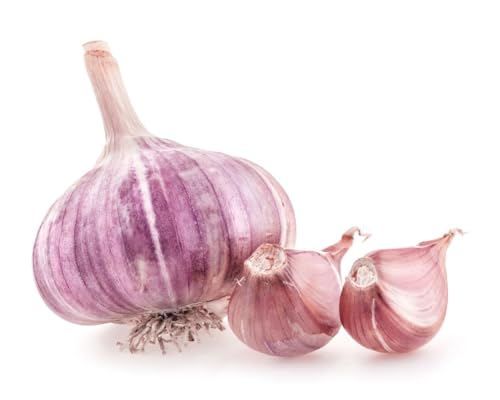
| 2 cloves | garlic | minced |
| 1 inch | ginger | grated |


Preparation Methods
Deep Frying: This technique involves cooking the cauliflower in hot oil until golden and crispy. It's crucial for achieving the dish's signature texture. Maintain oil temperature between 350°F and 375°F for best results.
Stir-Frying: After frying, stir-frying the cauliflower with the sauce ensures even coating and flavor absorption. Use high heat and constant stirring to prevent burning.
Slurry Making: Creating a cornstarch slurry is essential for thickening the sauce, giving it a glossy finish. Mix cornstarch with water until smooth before adding to the sauce.

Step 1: Prepare Ingredients
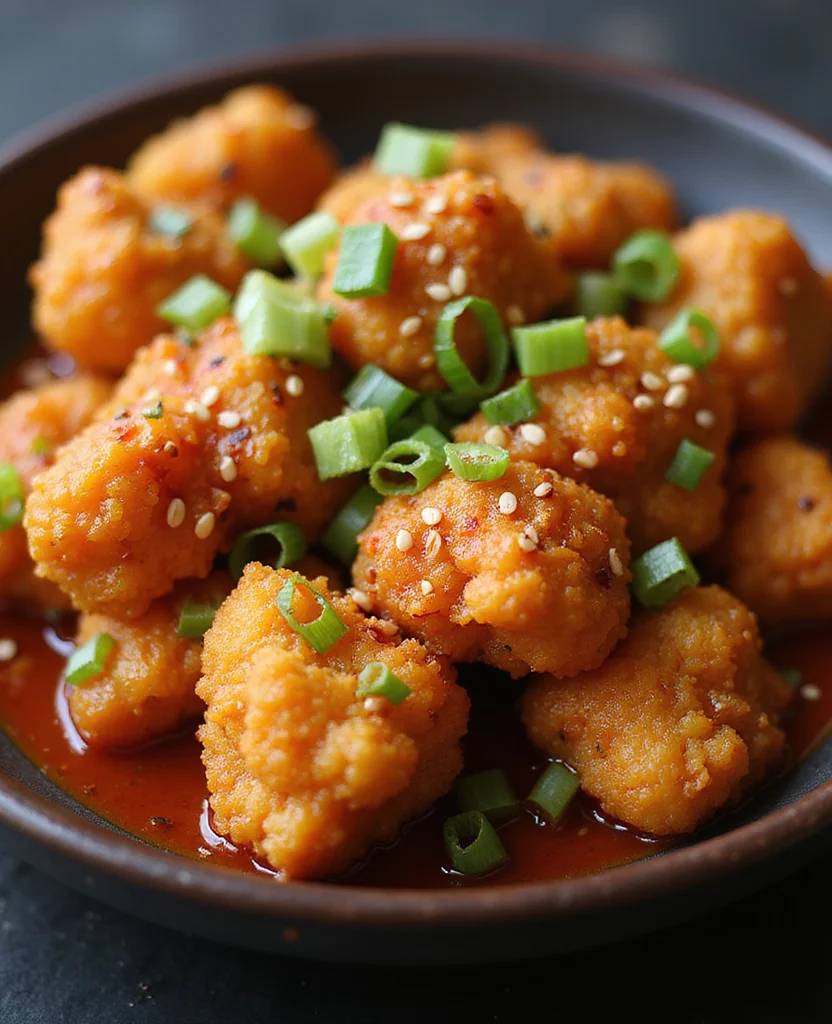
Start by cutting the cauliflower into bite-sized florets.
Measure all the ingredients and keep them ready for use.
Organize by grouping them into 'for the cauliflower' and 'for the sauce' categories.
This ensures a smooth cooking process without rushing.


Step 2: Make Batter
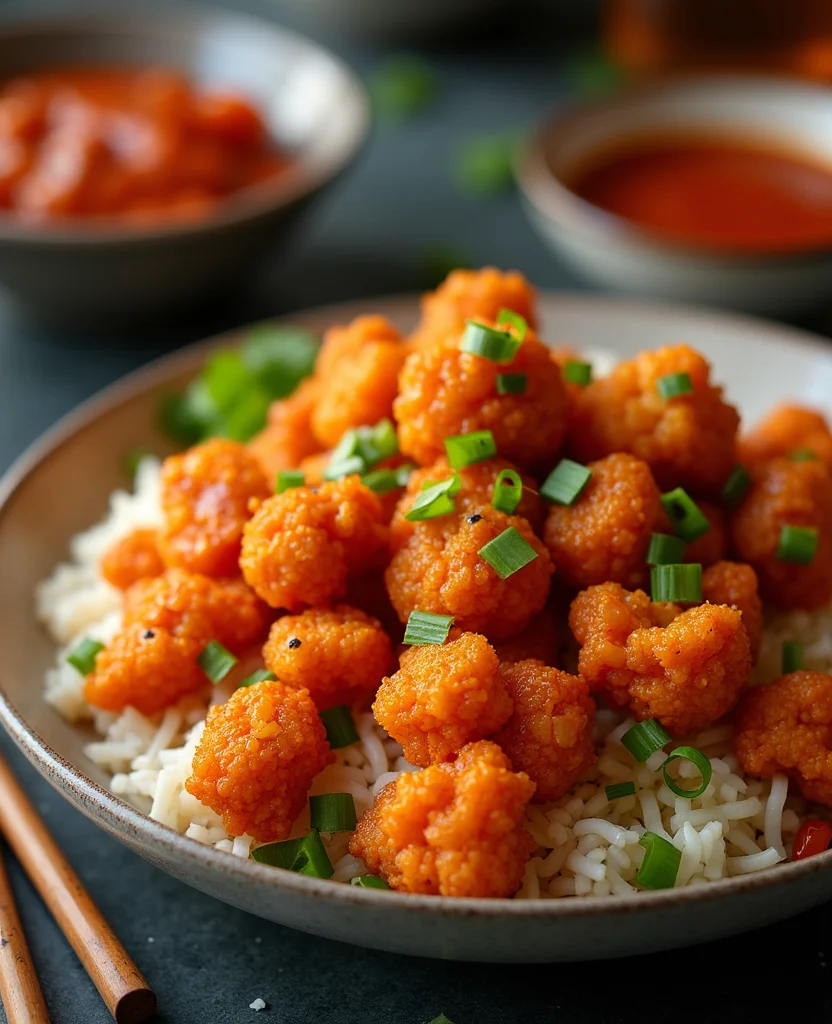
In a large mixing bowl, combine all-purpose flour, cornstarch, salt, and black pepper.
Gradually add water, stirring continuously to form a smooth batter.
Aim for a consistency that coats the back of a spoon without dripping.
This batter will ensure a crispy coating on the cauliflower.
Step 3: Coat Cauliflower

Dip each cauliflower floret into the batter, ensuring full coverage.
Shake off excess batter before placing on a plate.
This step is crucial for achieving the perfect crispy texture.
Ensure the florets are evenly coated for consistent frying.
Step 4: Heat Oil
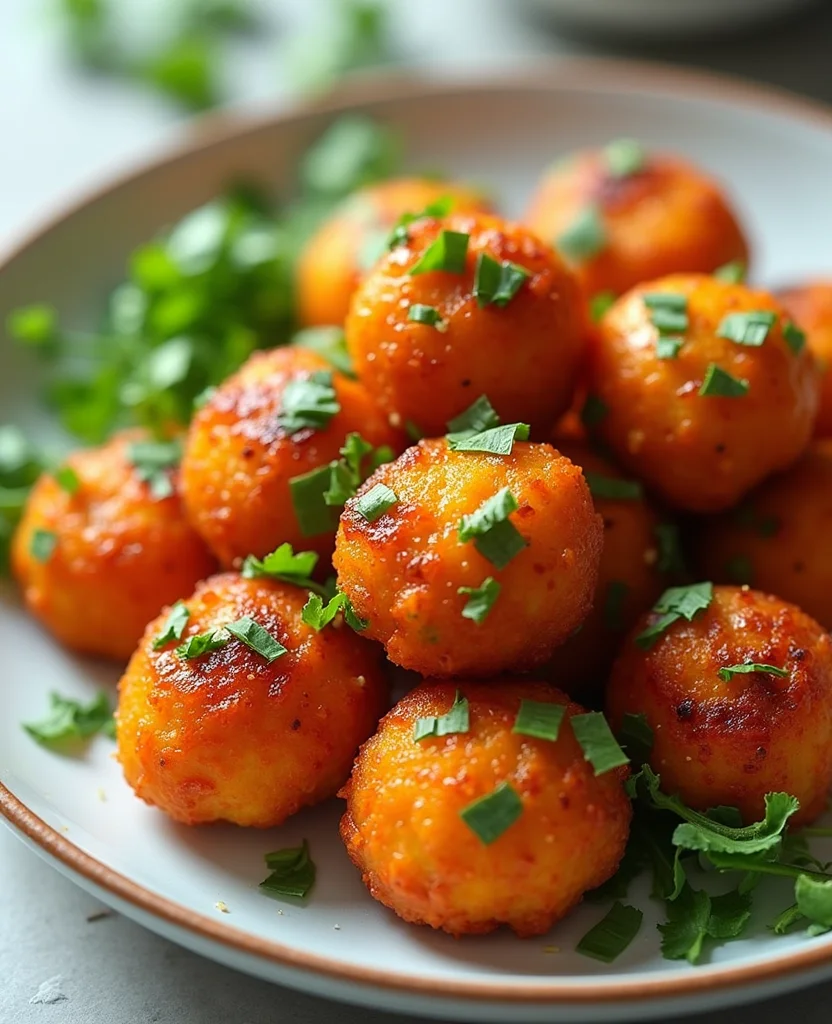
Pour oil into a deep fryer or heavy-bottomed pan to a depth of about 2 inches.
Heat the oil to 350°F, using a thermometer to monitor the temperature.
Maintaining the correct temperature is key to even cooking.
Avoid overcrowding the pan to keep the temperature stable.
Step 5: Fry Cauliflower
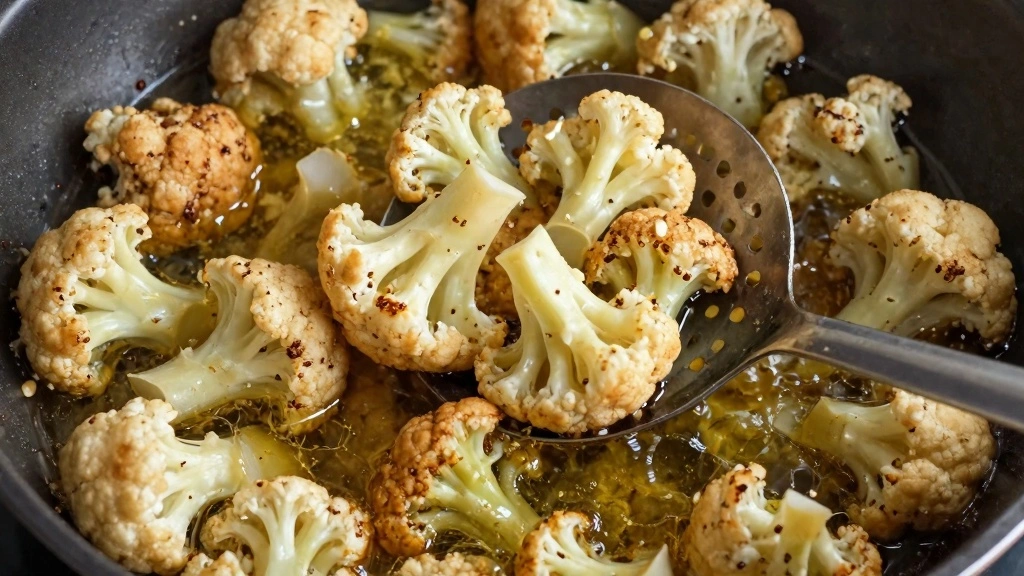
Carefully place the coated cauliflower into the hot oil.
Fry in batches to avoid overcrowding and ensure even cooking.
Cook until golden brown and crispy, approximately 4-5 minutes per batch.
Use a slotted spoon to remove and drain on paper towels.
Step 6: Prepare Sauce
In a separate pan, heat a tablespoon of oil over medium heat.
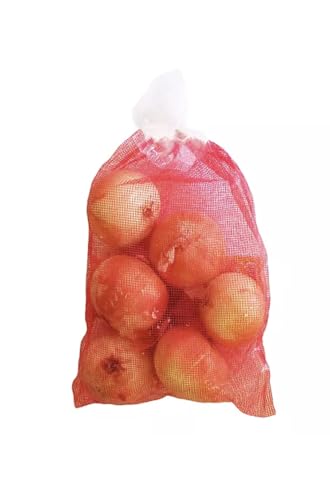
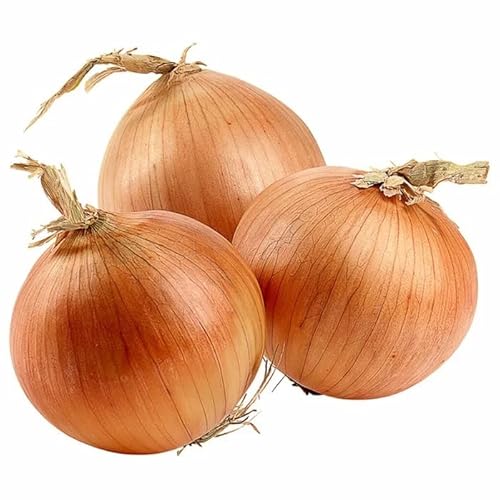
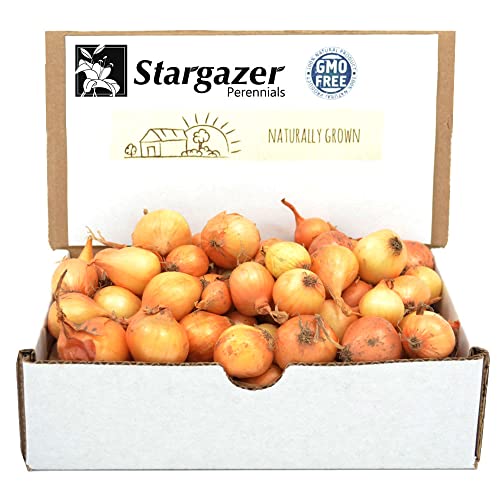
Add chopped onion, garlic, and ginger, sautéing until fragrant.
Stir in bell pepper and continue cooking until slightly softened.
Mix in soy sauce, ketchup, chili sauce, and vinegar, bringing it to a simmer.



Step 7: Thicken Sauce

Create a slurry by mixing a teaspoon of cornstarch with water.
Gradually add the slurry to the simmering sauce, stirring constantly.
Cook until the sauce thickens and becomes glossy.
Adjust seasoning to taste, adding more chili sauce for extra heat if desired.




Step 8: Combine and Serve

Add the fried cauliflower to the thickened sauce, gently tossing to coat.
Ensure each floret is well covered with the flavorful sauce.
Serve immediately to retain the crispiness of the cauliflower.
Garnish with chopped spring onions or cilantro for a fresh touch.
Critical Timing and Temperature Guide
Frying Cauliflower: Fry at 350°F for 4-5 minutes until golden brown. Over-frying can lead to a burnt flavor. Ensure the oil temperature remains constant to avoid soggy results.
Simmering Sauce: Cook the sauce at medium heat until thickened, about 5 minutes. Avoid high heat to prevent scorching and bitterness.
Combining Cauliflower and Sauce: Quickly toss the cauliflower in the sauce just before serving to keep it crispy. Delayed serving can result in soggy texture.
Pro Tips for Manchurian Recipe Vegetarian
• Ingredient Selection: Choose fresh cauliflower with tightly packed florets for best texture. Crisp bell peppers add a nice contrast, so select firm, brightly colored ones.
• Preparation Secret: Let the batter rest for 10 minutes before coating the cauliflower. This helps the flour absorb moisture, resulting in a better texture.
• Temperature Management: Ensure all ingredients are at room temperature before cooking. Cold ingredients can lower oil temperature, affecting crispiness.
• Texture Enhancement: Double fry the cauliflower for extra crispiness. Fry once until light golden, remove, and fry again until deep golden brown.
• Flavor Layering: Use ginger and garlic liberally in the sauce for depth. Adding a pinch of sugar can balance the acidity of the sauce.
• Make-Ahead Strategies: Fry cauliflower a day in advance and store in an airtight container. Reheat in the oven before adding to the sauce.
• Restaurant-Quality Finishing Touches: Drizzle a few drops of sesame oil over the finished dish for an authentic restaurant aroma.
• Equipment Optimization: If using a pan for frying, use a wire rack to drain excess oil instead of paper towels for better texture.



Troubleshooting Common Issues
• Soggy Cauliflower: Caused by incorrect frying temperature or overcrowding. Ensure oil is at 350°F and fry in small batches. Reheat in oven to regain crispiness.
• Flavors Unbalanced: Overpowering sweetness or acidity. Adjust soy sauce, ketchup, and vinegar to taste. Add a pinch of salt to balance flavors.
• Thick Sauce: Sauce not thickening properly can result from insufficient cornstarch. Ensure slurry is mixed well and fully incorporated.
• Burnt Flavors: Result of high heat during sauce preparation. Lower heat and stir continuously to prevent sticking and burning.
• Lack of Crispiness: Due to resting cauliflower in sauce too long. Combine just before serving and serve immediately.




Variations and Regional Differences
• Dry Gobi Manchurian: This variation skips the sauce, focusing on the crispy texture of the cauliflower. Serve with just a sprinkle of salt and chili powder.
• Szechuan Style: Incorporates Szechuan peppercorns and additional chili for a spicier version. The sauce includes more soy sauce and less ketchup.
• Punjabi Style: Adds garam masala and cumin to the batter for a more aromatic flavor profile, highlighting the Punjabi spice palette.
• South Indian Fusion: Uses curry leaves and mustard seeds in the sauce for a distinct South Indian twist, typically spicier and more aromatic.


Food Science Behind the Recipe
• Maillard Reaction: This chemical reaction between amino acids and reducing sugars gives the cauliflower its golden-brown color and complex flavor during frying.
• Emulsification: The sauce's thick, glossy texture is achieved through emulsification, where cornstarch binds water and oil molecules.
• Gelatinization: When cornstarch is heated in water, it swells and forms a gel-like consistency, thickening the sauce effectively.
Frequently Asked Questions
What's the most common mistake people make when preparing Gobi Manchurian? Overcrowding the frying pan, which leads to uneven cooking and soggy texture.
Can I make this recipe gluten-free? Yes, substitute all-purpose flour with rice flour and ensure soy sauce is gluten-free.
How do I store leftovers? Store in an airtight container in the fridge for up to 2 days. Reheat in the oven to restore crispiness.
Is it possible to make this dish less spicy? Yes, reduce the amount of chili sauce and opt for a milder chili variety.
Can I use frozen cauliflower? Fresh is best for texture, but if using frozen, thaw and pat dry thoroughly before battering.
Why is my sauce too runny? Ensure cornstarch is properly mixed and fully cooked to activate its thickening properties.
How can I make the dish vegan? This recipe is already vegan if you ensure all sauces are free from animal products.
What side dishes pair well with Gobi Manchurian? Serve with fried rice, noodles, or a fresh salad for a balanced meal.
Serving and Presentation Guide
• Traditional Presentation: Serve on a large platter with a sprinkle of fresh herbs and sesame seeds for garnish.
• Modern Plating: Use small individual plates, stacking a few florets with a drizzle of sauce around the base for a clean, elegant look.
• Family Style: Present in a large bowl with serving utensils, allowing guests to help themselves.
• Party Presentation: Serve in mini bowls or cups, each with a toothpick for an easy grab-and-go appetizer.


Conclusion
Embrace the delightful fusion of flavors and textures with this Crispy Gobi Manchurian recipe.
Whether you're a seasoned cook or a beginner, this dish promises to impress with its vibrant taste and simplicity.
Gather your ingredients and equipment, and embark on a culinary journey that captures the essence of Indo-Chinese cuisine.