
365 Low-Fat Main Dishes — One Recipe for Every Day!
Easy, beginner-friendly, with full nutrition info.
👉 Download Now – Just $2.90!As the leaves turn golden and the air grows crisp, banana pudding cheesecake offers a creamy, comforting indulgence perfect for cozy gatherings.
Its rich, velvety texture combined with the nostalgic flavors of banana pudding create a dessert that’s both familiar and novel.
Inspired by my grandmother’s Southern baking traditions, this recipe brings a touch of home to every bite.
Whether you’re celebrating a special occasion or simply embracing the change of seasons, this cheesecake is sure to impress.
Prepare to savor layers of flavor and texture that highlight the best of classic banana pudding and creamy cheesecake.
The History and Cultural Significance
• Banana Pudding Cheesecake traces its origins to the Southern United States, where it was originally created as a fusion of traditional banana pudding and classic cheesecake.
• The dish evolved over decades as modern refrigeration and ingredient availability allowed for the creamy textures and rich flavors, eventually becoming the beloved version we know today.
• In Southern culture, this dish traditionally appears at family gatherings and potlucks, symbolizing hospitality and warmth.
• While many variations exist across different regions, the authentic version maintains the layered incorporation of vanilla wafers and fresh bananas that sets it apart from imitations.


Recipe Overview
Nutritional Information (per serving)


Essential Equipment Guide
Springform Pan: A springform pan is crucial for achieving the perfect cheesecake shape and easy release. Alternatives like a regular cake pan might work, but they require more careful lining with parchment paper. Look for a pan with a tight seal to prevent leaks during baking.
Electric Mixer: An electric mixer ensures the cheesecake batter is smooth and lump-free, which is essential for a creamy texture. A hand whisk might work in a pinch but requires more effort. Choose a mixer with multiple speed settings for better control.
Food Processor: A food processor is ideal for crushing vanilla wafers into a fine crumb for the base. A rolling pin and a zip-top bag can work as alternatives but may result in uneven texture. Look for a processor with a pulse function for precise control.


Ingredients
For the Crust
|
| Amount | Ingredient | Notes |
|---|---|---|
| 2 cups | vanilla wafers | crushed into fine crumbs |
| 1/2 cup | unsalted butter | melted, binds the crust |
For the Filling
| Amount | Ingredient | Notes |
|---|---|---|
| 24 ounces | cream cheese | softened to room temperature for smooth mixing |
| 1 cup | granulated sugar | adds sweetness |
| 3 large | eggs | room temperature, provides structure |
| 1 cup | sour cream | adds tanginess |
| 1 teaspoon | vanilla extract | enhances flavor |
| 3 medium | bananas | ripe, mashed for natural sweetness |
For the Topping
| Amount | Ingredient | Notes |
|---|---|---|
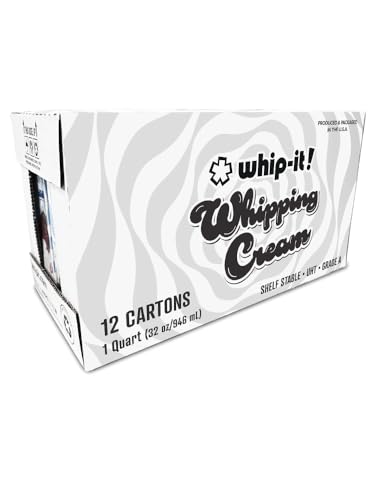
| 1 cup | whipping cream | chilled, for whipped topping |
| 2 tablespoons | powdered sugar | sweetens the cream |
| 1 teaspoon | vanilla extract | adds flavor |


Preparation Methods
Bain-Marie Baking: This technique involves baking the cheesecake in a water bath, which ensures even cooking and prevents cracking. To master it, wrap the springform pan in foil to prevent water from seeping in and use a roasting pan filled with hot water.
Whipping Cream to Soft Peaks: Whipping cream to soft peaks involves beating chilled cream until it forms peaks that softly curl over when the beaters are lifted. This contributes to a light, airy topping. Use cold equipment and avoid over-whipping to prevent the cream from curdling.
Resting the Cheesecake: Allowing the cheesecake to rest in the oven after baking helps it set properly and minimizes cracks. Turn off the oven, crack the door, and let it cool gradually for an hour.


Step 1: Prepare the Crust
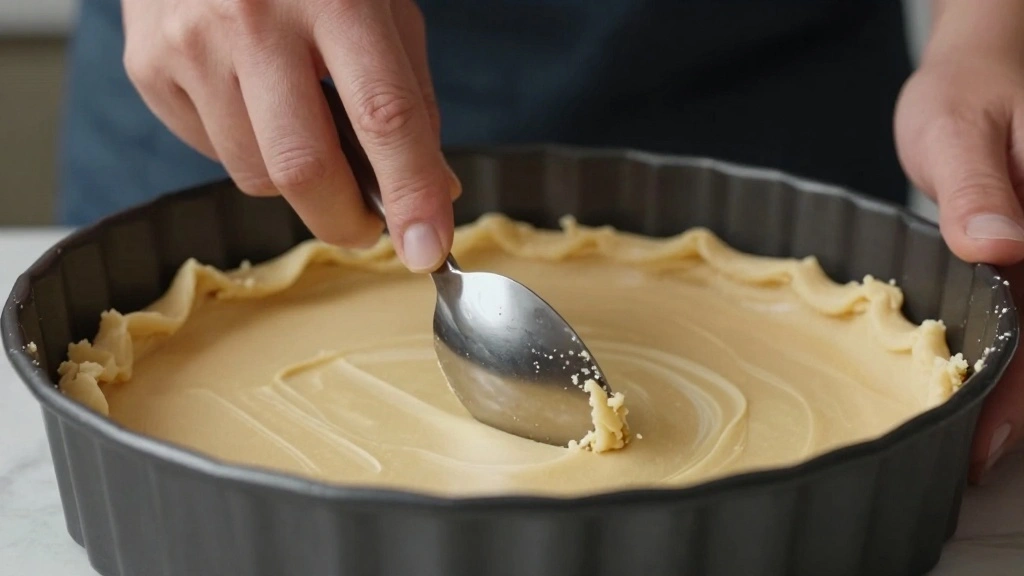
Preheat your oven to 325°F (165°C).
In a food processor, blend vanilla wafers into fine crumbs.
Mix the crumbs with melted butter until evenly coated.
Press the mixture into the bottom of a springform pan to form an even layer.


Step 2: Bake the Crust
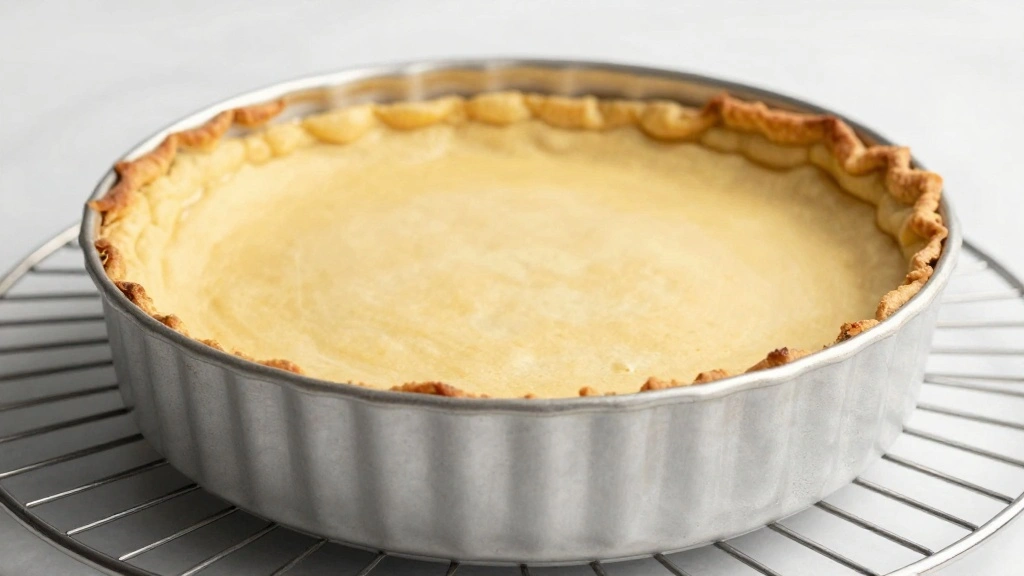
Place the crust in the preheated oven.
Bake for 10 minutes until lightly golden.
Remove from oven and let it cool on a wire rack.
The crust should feel firm to the touch.



Step 3: Mix the Cream Cheese

In a large mixing bowl, beat the softened cream cheese until smooth.
Gradually add granulated sugar, beating continuously.
Ensure the mixture is lump-free and creamy.
Scrape down the sides of the bowl as needed.



Step 4: Add Eggs and Bananas

Add eggs one at a time, beating well after each addition.
Mix in mashed bananas until fully incorporated.
The batter should be smooth with no visible streaks of egg.
Fold in sour cream and vanilla extract gently.
Step 5: Pour Filling Over Crust
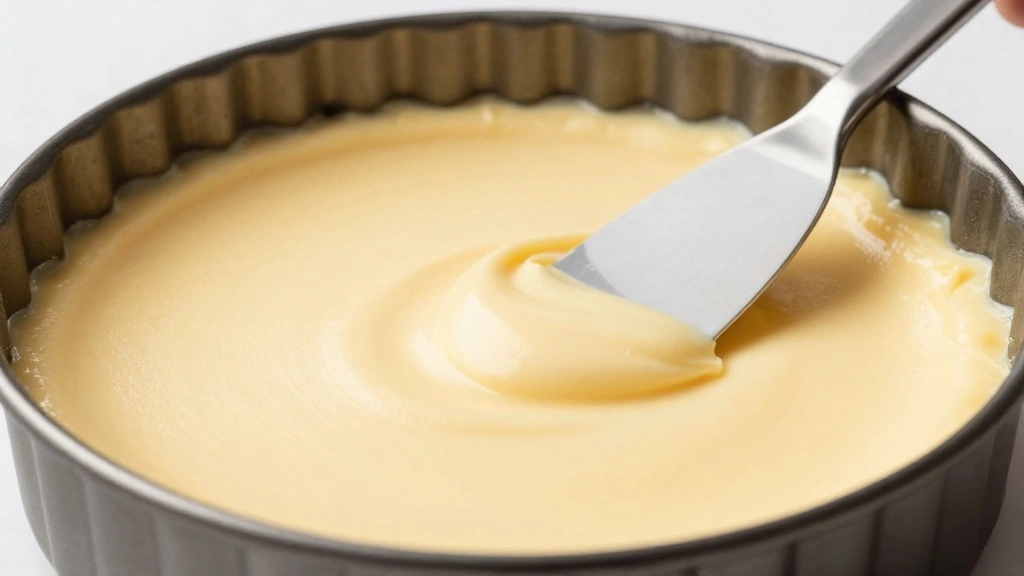
Pour the cheesecake filling over the cooled crust in the pan.
Use a spatula to smooth the top evenly.
Tap the pan gently on the counter to release air bubbles.
Ensure the surface is level before baking.
Step 6: Prepare the Bain-Marie
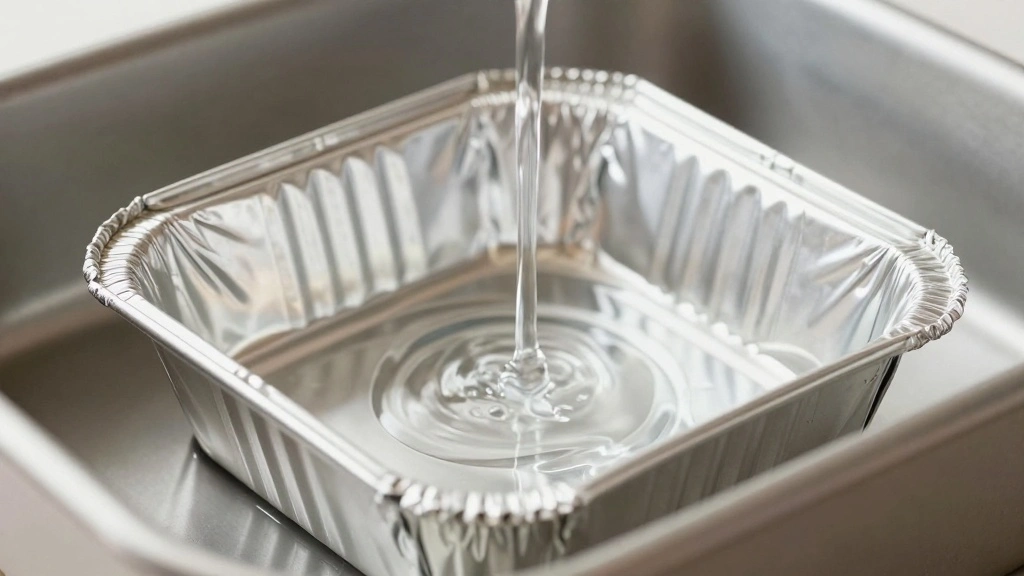
Wrap the bottom of the springform pan with foil to prevent leaks.
Place the pan in a larger roasting pan.
Pour hot water into the roasting pan until it reaches halfway up the sides of the springform pan.
This water bath ensures even baking.

Step 7: Bake the Cheesecake

Bake in the oven at 325°F (165°C) for 60 minutes.
The edges should be set but the center will still jiggle slightly.
Turn off the oven and crack the door open.
Let the cheesecake cool in the oven for an hour.




Step 8: Whip the Cream
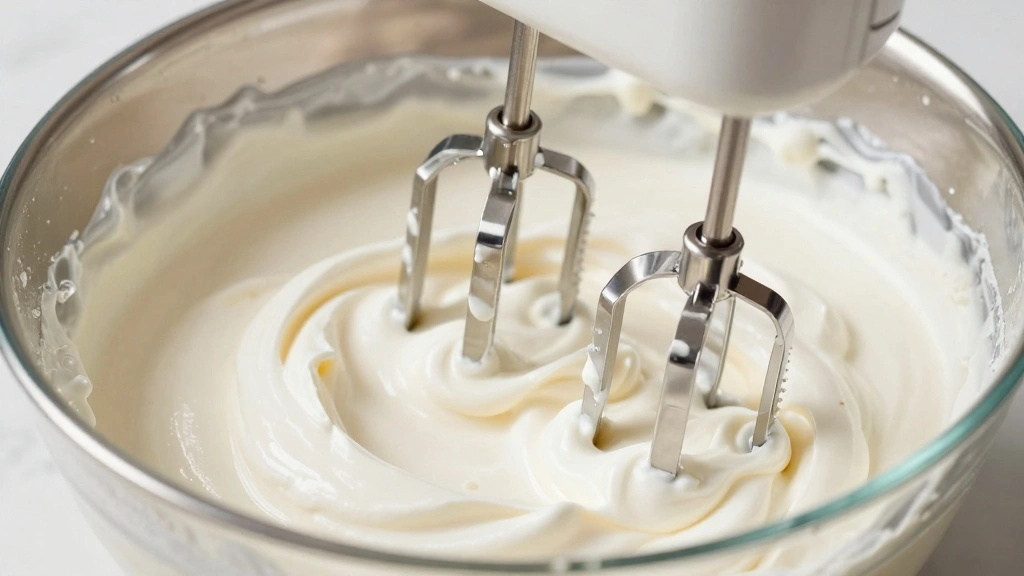
In a chilled bowl, beat whipping cream until soft peaks form.
Gradually add powdered sugar and vanilla extract while continuing to beat.
The whipped cream should be light and hold its shape.
Avoid over-beating to prevent the cream from becoming grainy.
Step 9: Assemble and Chill
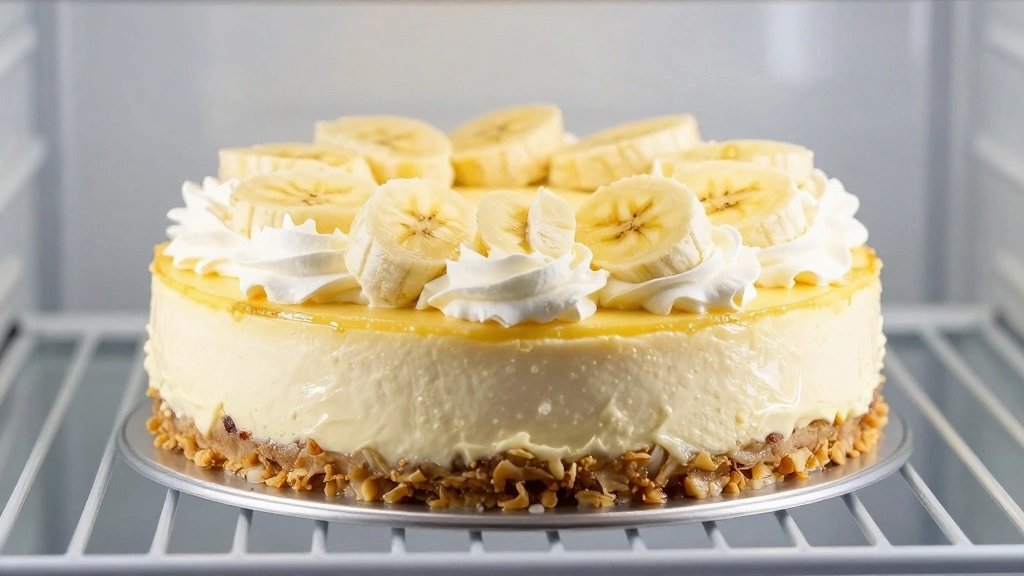
Spread the whipped cream evenly over the cooled cheesecake.
Add sliced bananas on top for decoration if desired.
Refrigerate for at least 4 hours or overnight.
This chilling time allows the flavors to meld and the cheesecake to set firmly.


Step 10: Serve
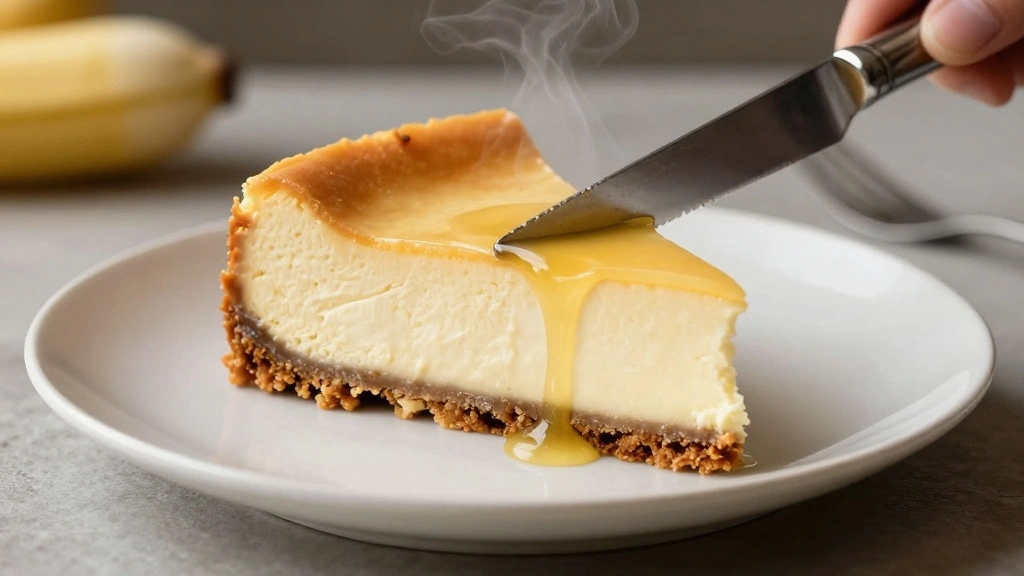
Run a knife around the edge of the cheesecake before releasing the springform pan.
Slice into even pieces using a warm, dry knife for clean cuts.
Serve chilled, optionally garnished with extra whipped cream or banana slices.
Enjoy the creamy, rich flavors with a hint of banana in every bite.
Critical Timing and Temperature Guide
Baking: Bake at 325°F (165°C) for 60 minutes until the edges are set and the center jiggles slightly. Avoid opening the oven frequently to maintain consistent temperature.
Cooling: After baking, let the cheesecake cool in the oven with the door cracked open for an hour to prevent sudden temperature changes that cause cracking.
Chilling: Refrigerate the cheesecake for at least 4 hours or overnight to ensure it sets properly. The longer chill time enhances flavor and texture.



Pro Tips for Banana Pudding Cheesecake
• Ingredient Selection: Choose ripe bananas with a few brown spots for the best natural sweetness and flavor.
• Preparation Secret: Mash bananas just before adding to the batter to prevent them from oxidizing and turning brown.
• Temperature Management: Ensure all ingredients, particularly cream cheese and eggs, are at room temperature for easy blending and a smooth batter.
• Texture Enhancement: Avoid over-mixing the batter to prevent incorporating too much air, which can lead to cracks during baking.
• Flavor Layering: Incorporate a touch of cinnamon or nutmeg into the crust for an extra layer of warmth and depth.
• Make-Ahead Strategies: Prepare the crust and filling a day in advance, storing separately, and assemble just before baking.
• Restaurant-Quality Finishing Touches: Top with a light dusting of cocoa powder or crushed vanilla wafers for a professional look.
• Equipment Optimization: Use a paddle attachment on a stand mixer for even mixing without over-beating the cream cheese.


Troubleshooting Common Issues
• Cracked Surface: This is often caused by rapid temperature changes. To fix, cool the cheesecake gradually in the oven and consider using a water bath during baking.
• Dense Texture: Over-mixing can incorporate too much air, leading to a dense texture. Mix ingredients just until combined.
• Soggy Crust: Ensure the crust is baked and cooled properly before adding the filling to prevent it from becoming soggy.
• Lumpy Batter: Use room temperature ingredients and mix until smooth to prevent lumps in the batter.
• Uneven Baking: Check oven temperature with an oven thermometer to ensure even baking and avoid hot spots.


Variations and Regional Differences
• Southern Style: This version emphasizes a thicker layer of banana pudding between the crust and cheesecake filling, often using homemade banana custard.
• New York Style: Incorporates a denser, creamier cheesecake base with a graham cracker crust instead of vanilla wafers.
• Caribbean Twist: Adds tropical flavors with the inclusion of coconut flakes and a splash of rum in the filling for a unique taste experience.
• Vegan Version: Uses cashew cream and coconut milk in place of cream cheese and eggs, with a nut-based crust for a plant-based alternative.




Food Science Behind the Recipe
• Emulsification: The blending of fats and water in the cream cheese creates a stable, creamy texture in the cheesecake.
• Maillard Reaction: The browning of the crust and top of the cheesecake during baking develops complex flavors and aromas.
• Protein Coagulation: Eggs provide structure by coagulating during baking, which helps the cheesecake set while maintaining a smooth texture.
Frequently Asked Questions
What's the most common mistake people make when preparing Banana Pudding Cheesecake? Over-mixing the batter is a common mistake that can lead to cracks and a dense texture.
Can I use low-fat cream cheese? While you can use low-fat cream cheese, the texture and flavor will be compromised, making it less creamy and rich.
How do I prevent my cheesecake from cracking? Use a water bath and avoid over-baking. Gradual cooling helps prevent cracks.
What can I use instead of vanilla wafers for the crust? Graham crackers or digestive biscuits can be used as alternatives.
How long can I store the cheesecake? The cheesecake can be stored in the refrigerator for up to 5 days or frozen for up to a month.
What's the best way to slice the cheesecake? Use a warm, dry knife and clean it between cuts for neat slices.
Can I make this cheesecake gluten-free? Yes, use gluten-free vanilla wafers or cookies for the crust.
Serving and Presentation Guide
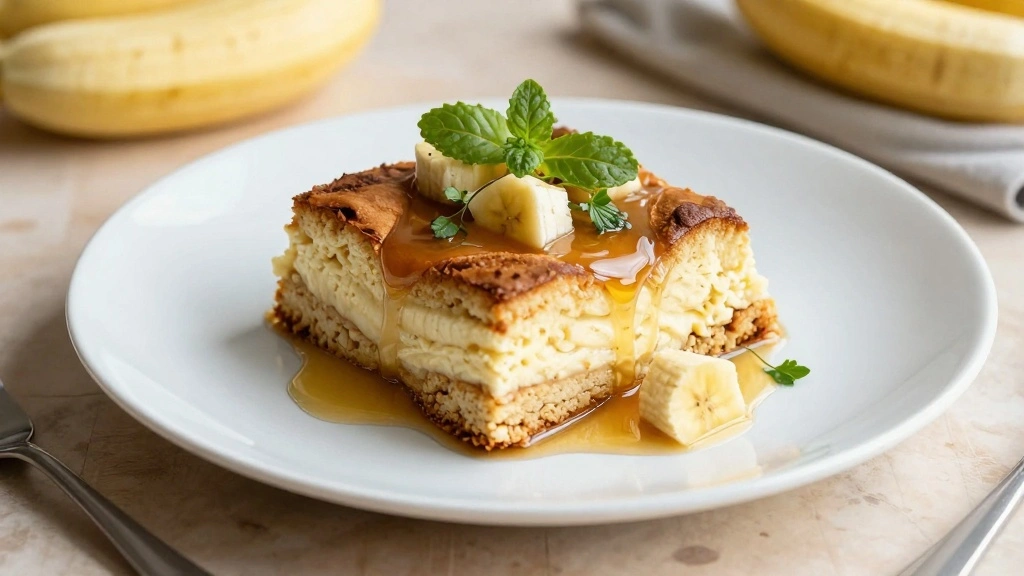
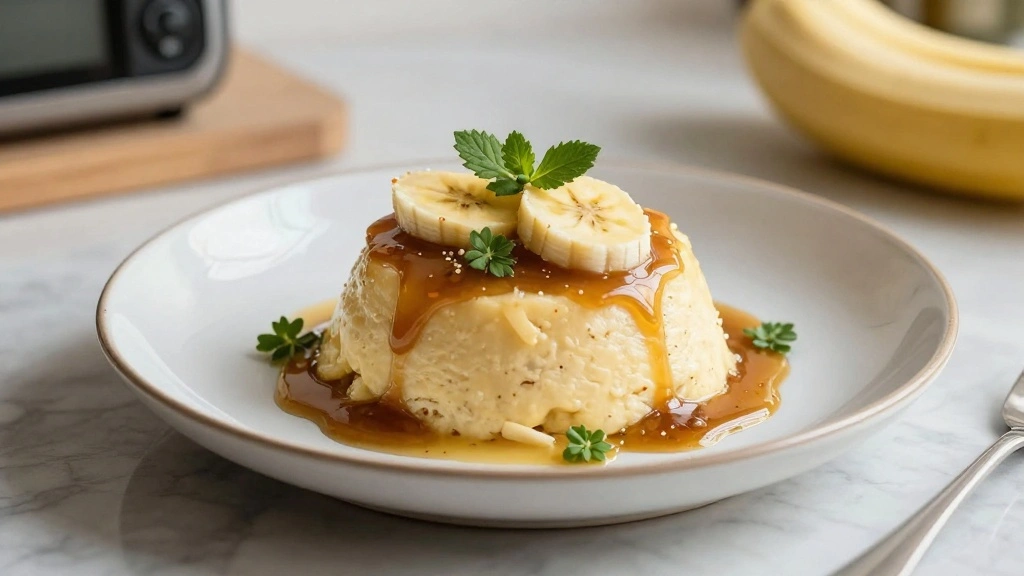
• Traditional Presentation: Serve on a classic white dessert plate with a dollop of whipped cream and a banana slice on top.
• Modern Twist: Present on a slate or wooden board with a dusting of cocoa powder around the edge.
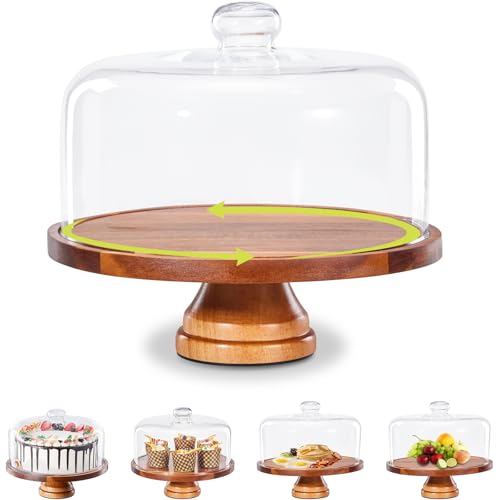
• Layered Display: Showcase the layers by serving a tall slice on a glass cake stand.
• Gourmet Touch: Garnish with a caramel drizzle and a sprinkle of sea salt for a sweet-savory contrast.



Conclusion
Embrace the flavors of comfort and nostalgia with this Banana Pudding Cheesecake, a delightful fusion of two classic desserts.
With its creamy texture and rich banana flavor, it's a dessert that promises to impress both family and friends.
Try this recipe today and bring a touch of Southern warmth to your table.