
365 Low-Fat Main Dishes — One Recipe for Every Day!
Easy, beginner-friendly, with full nutrition info.
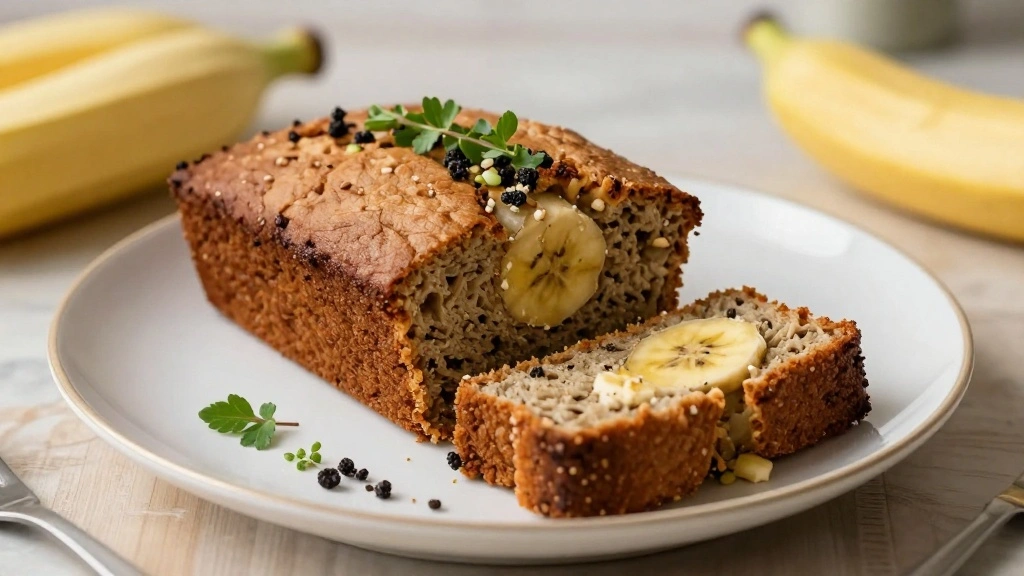
👉 Download Now – Just $2.90!Banana Bundt Cake (Moist & Buttery) is a delightful treat that merges the comforting flavors of ripe bananas with the rich, buttery texture of a well-baked cake.
Its appeal lies in the perfect harmony of sweetness and smoothness, making it an ideal dessert for any occasion.
I first encountered this recipe in my grandmother’s kitchen, where the aroma of freshly baked cake would fill the air, bringing the family together.
Whether you’re a seasoned baker or a beginner, this recipe promises a straightforward process with impressive results.
The cake’s moist texture and buttery flavor profile make it a beloved classic that never fails to please.
Join me on this baking journey to create a cake that’s as nostalgic as it is delicious.
The History and Cultural Significance
• Banana Bundt Cake traces its origins to the mid-20th century in America, where it was initially popularized by the Bundt pan’s rise in popularity.
• The dish evolved over decades as the availability of ripe bananas and quality butter increased, eventually becoming the beloved version we know today.
• In American culture, this dish traditionally appears at family gatherings and potlucks, symbolizing warmth and home-cooked comfort.
• While many variations exist across different regions, the authentic version maintains a dense, moist crumb that sets it apart from imitations.


Recipe Overview
Nutritional Information (per serving)


Essential Equipment Guide
Bundt Pan: Essential for achieving the classic shape and even cooking. Alternatives might include a regular cake pan, but adjustments to cooking time and temperature may be necessary. Look for a nonstick surface and sturdy material for best results.
Electric Mixer: Important for achieving a smooth, lump-free batter. A handheld mixer can suffice, but a stand mixer offers convenience and consistency. Ensure it has multiple speed settings.
Cooling Rack: Crucial for allowing the cake to cool evenly and prevent sogginess. Alternatives include a clean, flat surface with good airflow. Stainless steel options offer durability and easy cleaning.
Ingredients
For the Base
|
| Amount | Ingredient | Notes |
|---|---|---|
| 2 cups | all-purpose flour | sifted for light texture |
| 1 teaspoon | baking soda | aids in rising |
| 1/2 teaspoon | salt | enhances flavor |
For the Wet Mixture
| Amount | Ingredient | Notes |
|---|---|---|
| 1/2 cup | unsalted butter | softened, adds richness |
| 1 cup | granulated sugar | provides sweetness |
| 2 large | eggs | room temperature, for binding |
For the Flavor
| Amount | Ingredient | Notes |
|---|---|---|
| 1 cup | mashed ripe bananas | about 3 bananas, adds moisture and flavor |
| 1 teaspoon | vanilla extract | enhances flavor |
For the Glaze
| Amount | Ingredient | Notes |
|---|---|---|
| 1/2 cup | powdered sugar | for sweetness |
| 2 tablespoons | milk | for desired glaze consistency |




Preparation Methods
Creaming Butter and Sugar: This technique involves beating softened butter and sugar together until light and fluffy, which incorporates air into the mixture and results in a lighter cake. Use a medium speed on your mixer and ensure the butter is adequately softened for best results.
Folding: Gently integrating the dry ingredients into the wet mixture is crucial to maintain the cake's light texture. Use a spatula to fold the flour into the batter in a figure-eight motion to avoid deflating the mixture.
Glazing: Applying a sweet glaze while the cake is still slightly warm allows it to set beautifully, creating a glossy finish. Mix the glaze until smooth and pour it evenly over the cake.



Step-by-Step Cooking Instructions
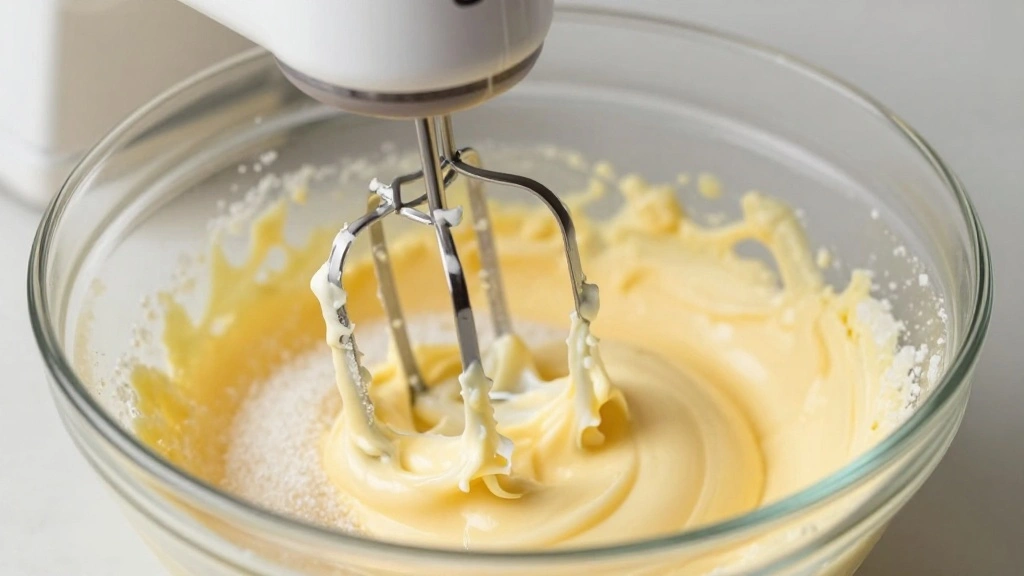
Step 2: Cream Butter and Sugar
In a large mixing bowl, beat the softened butter and granulated sugar together.
Continue until the mixture becomes light and fluffy, about 3-4 minutes.
This process is crucial for incorporating air, resulting in a tender cake.
Ensure the butter is soft enough to blend easily with the sugar.
Critical Timing and Temperature Guide
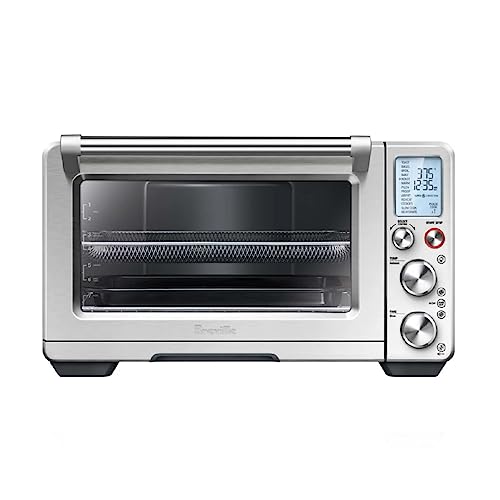
Baking the Cake: Bake at 350°F (175°C) for 60 minutes. Look for a golden-brown color and a clean skewer when inserted. Avoid opening the oven frequently as it may cause the cake to sink.
Cooling Time: Allow the cake to cool in the pan for 15 minutes. Ensure the cake loosens from the pan before inverting. Cooling completely before glazing is crucial for the glaze to set properly.
Glazing Temperature: Let the glaze cool slightly before pouring over the cake. This ensures it spreads evenly and sets without running off.




Pro Tips for Banana Bundt Cake
• Ingredient Selection: Choose overripe bananas with brown spots for maximum sweetness and moisture. Fresh, high-quality butter enhances the cake's richness.
• Preparation Secret: Sift the dry ingredients to prevent lumps and ensure an even distribution throughout the batter.
• Temperature Management: Keep all ingredients at room temperature before mixing to ensure a smooth batter.
• Texture Enhancement: Avoid overmixing the batter to maintain a tender crumb structure.
• Flavor Layering: Use a combination of ripe bananas and vanilla extract to create a deep, complex flavor profile.
• Make-Ahead Strategies: Bake the cake a day in advance and keep it wrapped in plastic wrap to enhance its flavor and moistness.
• Restaurant-Quality Finishing Touches: Decorate with banana slices or chopped nuts for an elegant presentation.
• Equipment Optimization: Ensure your Bundt pan is well-greased and floured for easy cake release.



Troubleshooting Common Issues
• Texture Too Dense: Often caused by overmixing the batter. Recognize this by a lack of rise during baking. Fix by gently folding until just combined.
• Crumbly Cake: Can occur if the flour is not properly measured. Use a scale for accuracy and ensure ingredients are at room temperature.
• Sticking to the Pan: Results from insufficient greasing. Recognize it by difficulty in releasing the cake. Prevent by thoroughly greasing and flouring the pan.
• Sunken Cake: Caused by opening the oven too early. Avoid premature opening and ensure the oven is preheated.
• Unbalanced Flavors: Often due to unripe bananas. Ensure bananas are fully ripened for optimal sweetness.
• Glaze Too Runny: Results from incorrect sugar-to-liquid ratio. Adjust by adding more powdered sugar for desired consistency.



Variations and Regional Differences
• Southern Style: This version incorporates pecans and a hint of cinnamon, offering a nutty, spiced flavor profile unique to the Southern United States.
• Tropical Variation: Adds shredded coconut and pineapple chunks for a tropical twist, commonly found in Caribbean-inspired recipes.
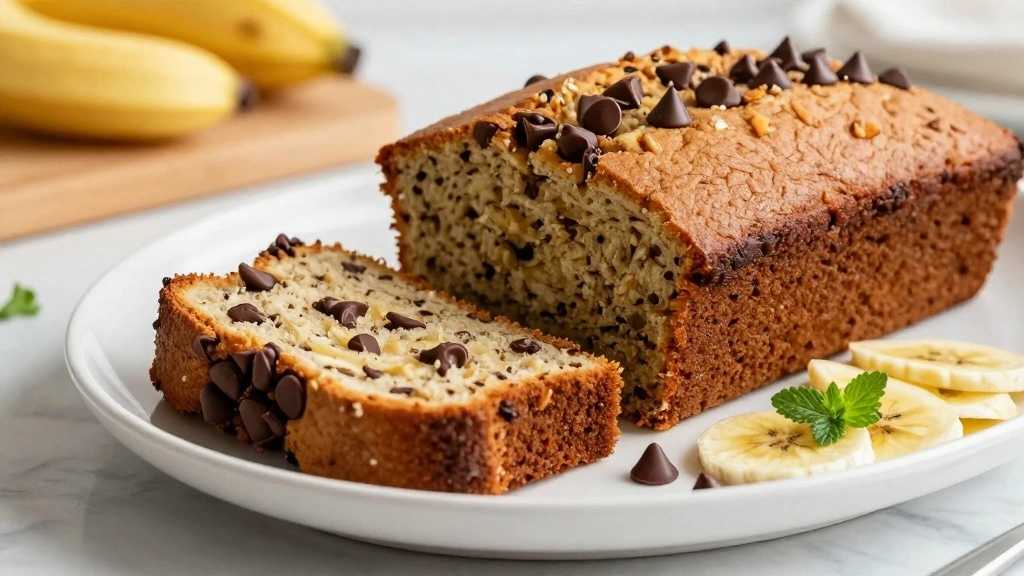
• Chocolate Banana Bundt: Infuses cocoa powder and chocolate chips, creating a rich, decadent variation popular in many American bakeries.
• Vegan Alternative: Uses flax eggs and coconut oil, catering to dietary preferences without compromising on flavor and texture.




Food Science Behind the Recipe
• Maillard Reaction: This browning process occurs during baking, enhancing flavor and creating a golden crust. Understanding it helps achieve the perfect bake.
• Leavening Agents: Baking soda reacts with the acid in bananas, producing carbon dioxide that helps the cake rise. Proper measurement is key to balance and texture.
• Emulsification: The process of blending butter and sugar helps trap air, leading to a light, airy cake structure. Mastery of this step is crucial for consistency.
Frequently Asked Questions
What's the most common mistake people make when preparing Banana Bundt Cake? Overmixing the batter, which can lead to a dense cake texture.
Can I use frozen bananas for this recipe? Yes, just ensure they are thoroughly thawed and drained of excess moisture.
How should I store leftover Banana Bundt Cake? Wrap in plastic wrap or store in an airtight container at room temperature for up to 3 days.
Is it possible to make this cake gluten-free? Yes, substitute all-purpose flour with a gluten-free blend for similar results.
Why does my cake stick to the Bundt pan? Inadequate greasing or an uneven coating of flour can cause sticking.
How can I make the glaze thicker? Add more powdered sugar until the desired consistency is achieved.
Can I add nuts or chocolate chips to the batter? Absolutely, fold them in gently before pouring the batter into the pan.
Serving and Presentation Guide
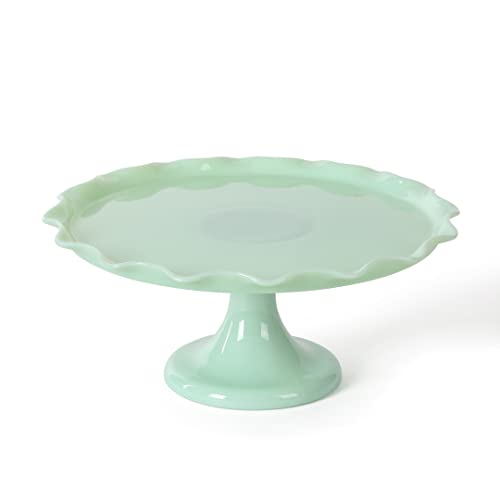
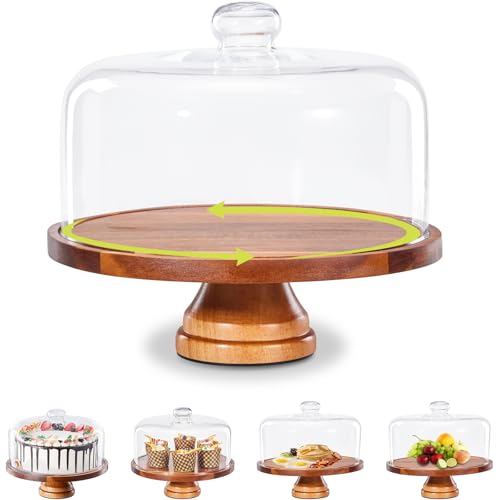
• Traditional Presentation: Serve the cake on a pedestal cake stand with a decorative drizzle of glaze.
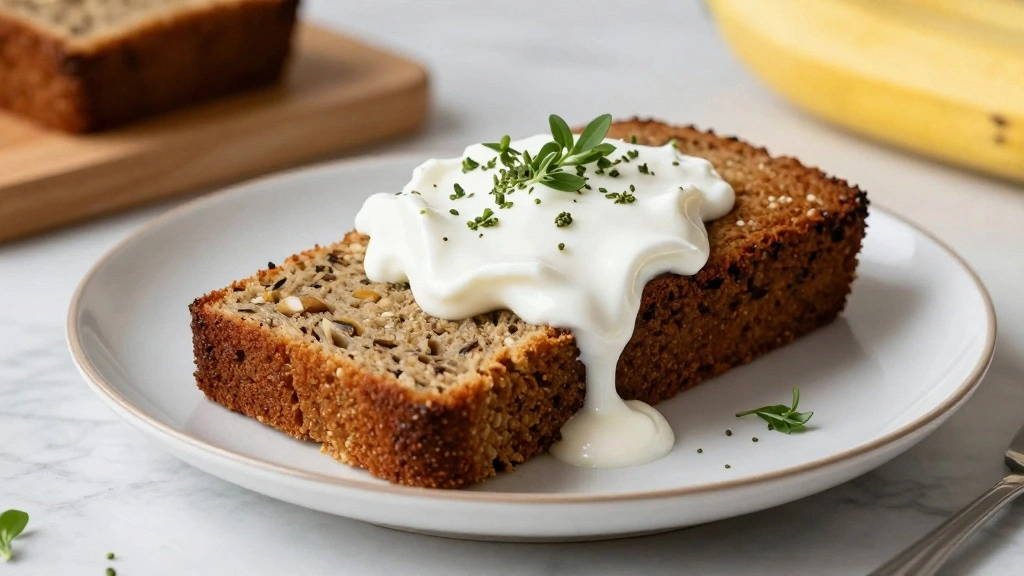
• Casual Presentation: Slice into individual portions and serve on rustic wooden plates with a dollop of whipped cream.
• Elegant Display: Garnish with edible flowers and fresh banana slices for an upscale event.
• Family-Style Serving: Place the cake in the center of the table on a large platter, allowing guests to help themselves.


Conclusion

Embark on the delightful journey of baking this Banana Bundt Cake, where each bite promises moist, buttery goodness.
With its timeless appeal and straightforward preparation, this cake is sure to become a staple in your baking repertoire.
Invite friends and family to share in the joy of this homemade treat, and watch as smiles light up the room.