
365 Low-Fat Main Dishes — One Recipe for Every Day!
Easy, beginner-friendly, with full nutrition info.
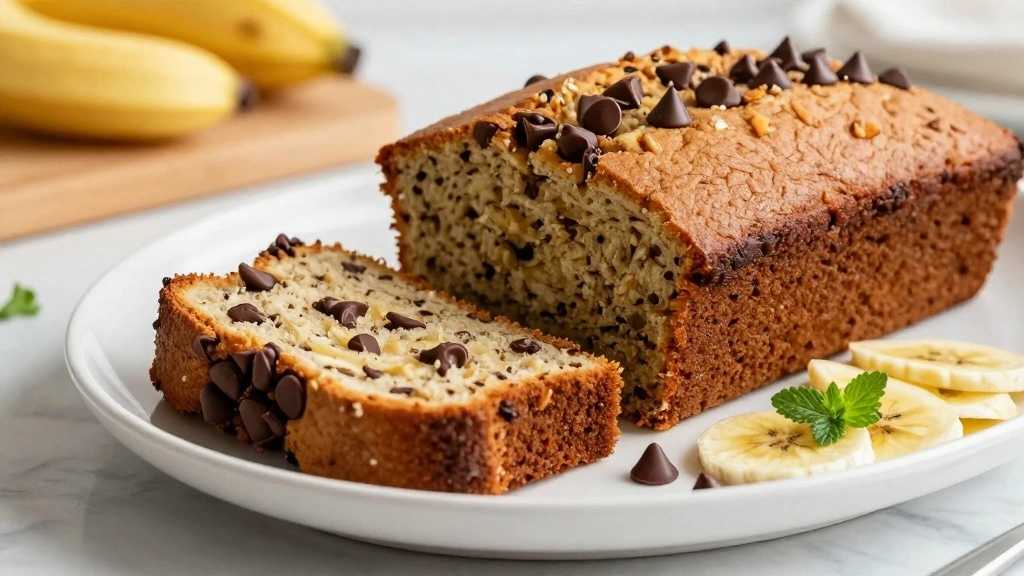
👉 Download Now – Just $2.90!The aroma of freshly baked banana bread wafting through the kitchen is a comforting reminder of home.
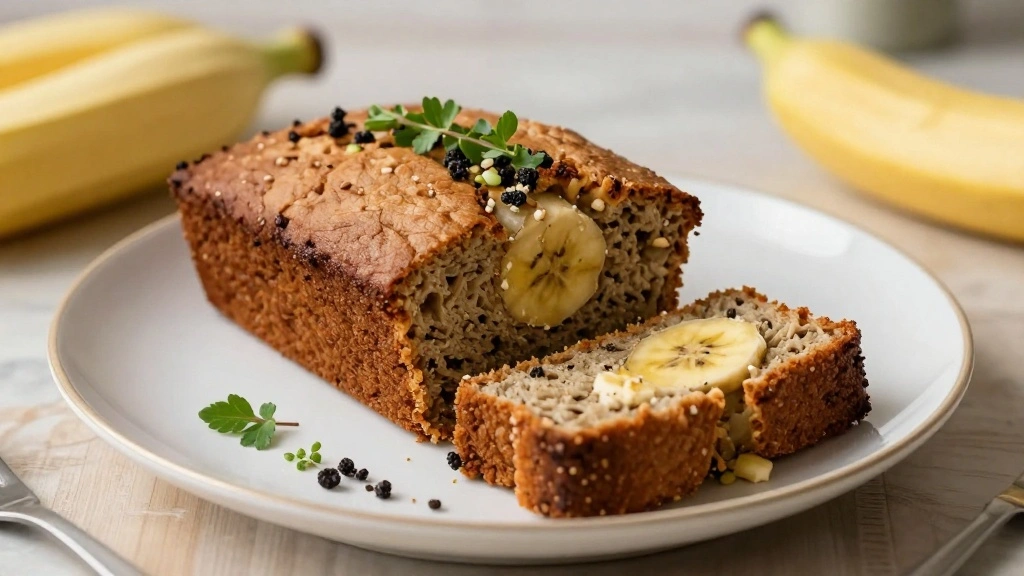
This award-winning banana bread recipe is renowned for its moist texture and rich banana flavor, offering a taste that feels both nostalgic and indulgent.
I first stumbled upon this recipe in my grandmother’s handwritten cookbook, a treasured heirloom that has seen countless family gatherings.
The combination of ripe bananas, warm spices, and a hint of vanilla creates a harmonious flavor profile that is hard to resist.
Whether you’re enjoying a quiet morning coffee or hosting an afternoon tea, this banana bread is sure to be a crowd-pleaser.
The History and Cultural Significance
• Award-Winning Banana Bread traces its origins to the American Great Depression era, where it was originally created as a way to use overripe bananas.
• The dish evolved over decades as baking soda and baking powder were used more extensively, eventually becoming the beloved version we know today.
• In American culture, this dish traditionally appears at family gatherings, symbolizing comfort and togetherness.
• While many variations exist across different regions, the authentic version maintains a moist crumb and rich banana flavor that sets it apart from imitations.



Recipe Overview
Nutritional Information (per serving)




Essential Equipment Guide
Loaf Pan: A sturdy loaf pan ensures even baking and a perfect shape for your banana bread. Look for a non-stick or greased metal pan to prevent sticking.
Mixing Bowls: Mixing bowls of various sizes allow for easy combination of wet and dry ingredients. Stainless steel or glass is preferable for easy cleaning.
Spatula: A flexible spatula is essential for scraping every bit of batter into the loaf pan. Silicone spatulas are heat-resistant and easy to clean.
Ingredients
For the Base
|
| Amount | Ingredient | Notes |
|---|---|---|
| 2 cups | all-purpose flour | sifted for light texture |
| 1 teaspoon | baking soda | ensures rise |
| 1/4 teaspoon | salt | enhances flavor |
Wet Ingredients
| Amount | Ingredient | Notes |
|---|---|---|
| 1/2 cup | butter | softened, adds richness |
| 3/4 cup | brown sugar | adds sweetness and moisture |
| 2 large | eggs | beaten, binds ingredients |
| 2 1/3 cups | ripe bananas | mashed, provides flavor |
| 1 teaspoon | vanilla extract | adds aroma |




Preparation Methods
Creaming Butter and Sugar: Creaming butter and sugar together introduces air into the mixture, creating a light and fluffy texture. Use an electric mixer for best results, and ensure butter is softened.
Folding: Gently folding dry ingredients into wet prevents overmixing and maintains a tender crumb. Use a spatula to fold rather than stir vigorously.
Testing for Doneness: Insert a toothpick into the center of the bread; if it comes out clean or with a few crumbs, the bread is done. Avoid opening the oven door frequently to prevent loss of heat.


Step 1: Prepare Ingredients

Gather all ingredients and equipment.
Ensure butter is softened to room temperature.
Mash ripe bananas until smooth.
Preheat oven to 350°F (175°C) and grease a loaf pan.



Step 2: Mix Dry Ingredients
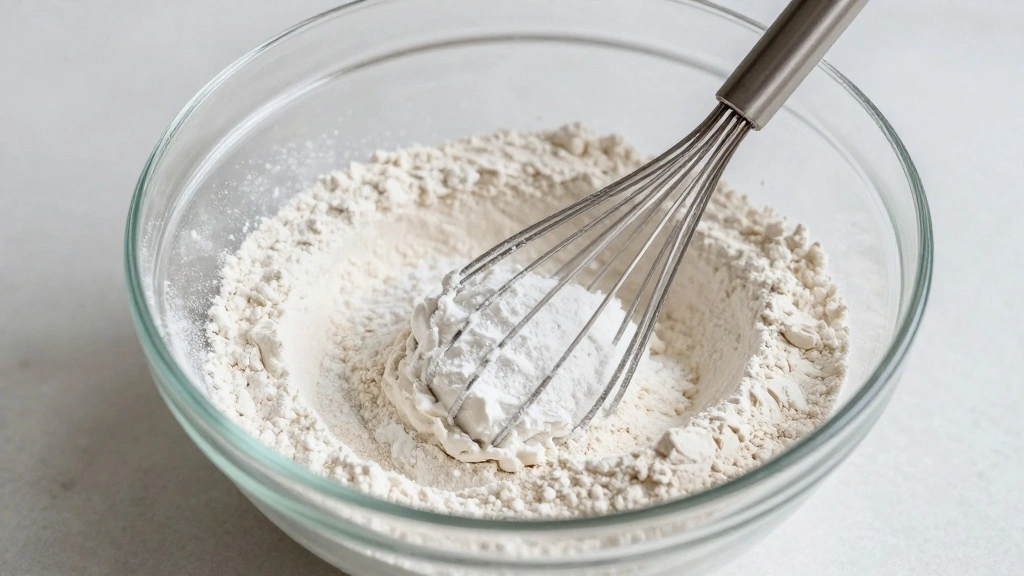
In a medium bowl, combine flour, baking soda, and salt.
Whisk together until well blended.
Set aside for later use.
Ensure there are no lumps in the mixture.
Step 3: Cream Butter and Sugar
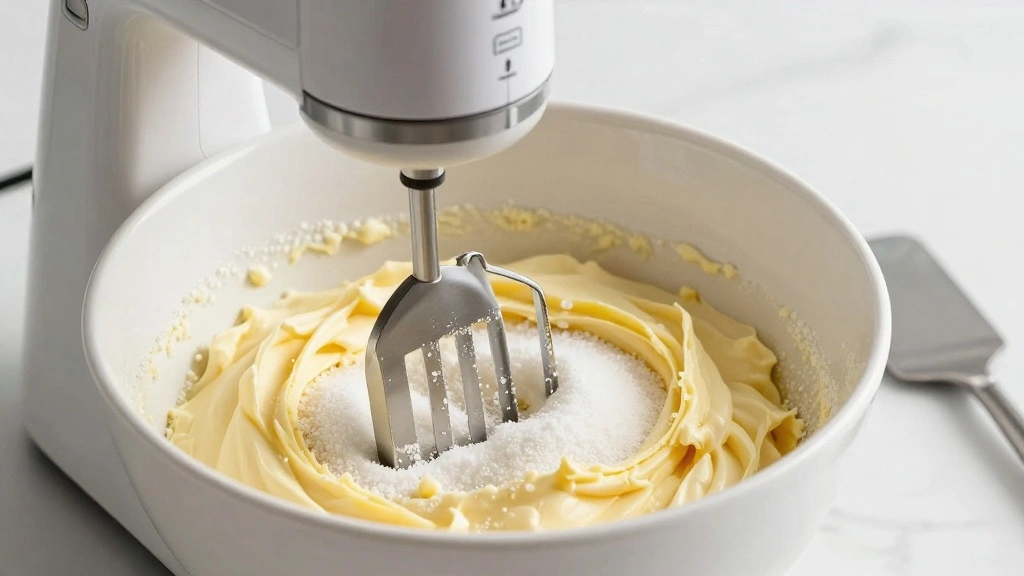
In a large bowl, cream softened butter and brown sugar until light and fluffy.
Use an electric mixer on medium speed.
Scrape down the sides of the bowl as needed.
Continue until mixture is pale and smooth.


Step 4: Add Eggs and Bananas

Beat in eggs one at a time into the creamed mixture.
Add mashed bananas and vanilla extract.
Mix until fully incorporated.
The mixture should be smooth and well blended.
Step 5: Combine Wet and Dry Ingredients
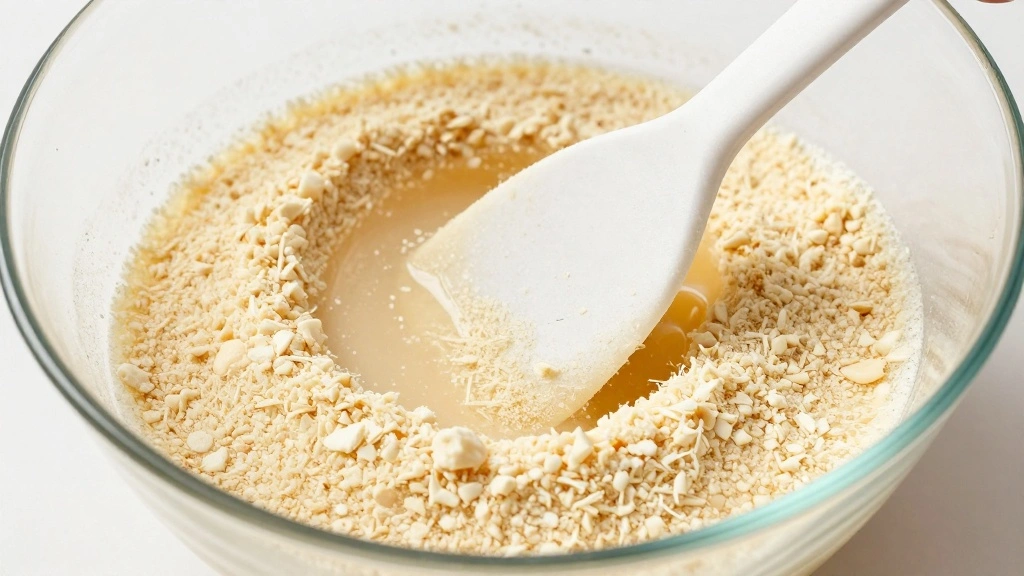
Add dry ingredients to the wet mixture.
Fold gently with a spatula until just combined.
Do not overmix to maintain a light texture.
The batter should be slightly lumpy.
Step 6: Pour Batter into Loaf Pan
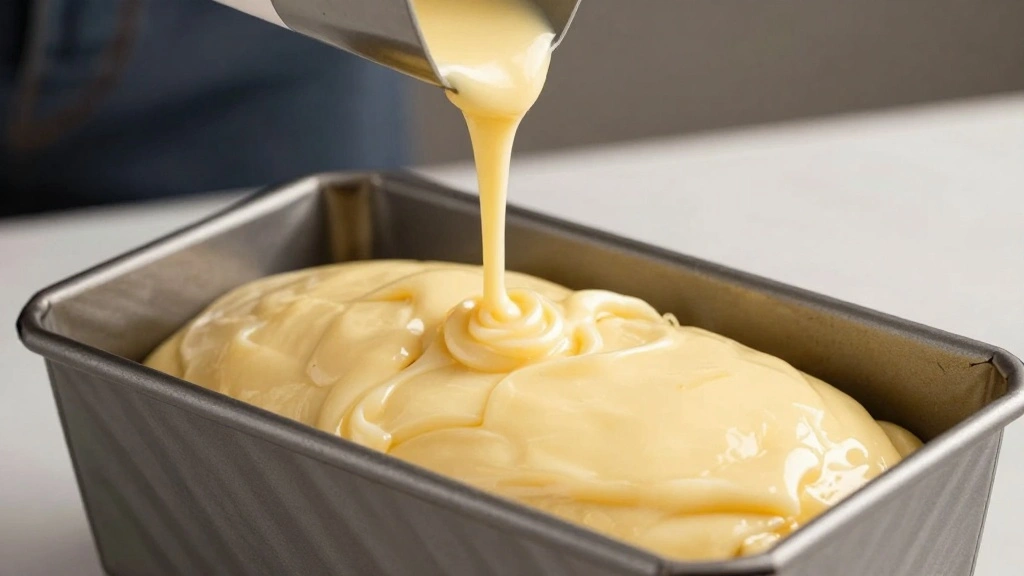
Pour the batter into the prepared loaf pan.
Smooth the top with a spatula for even baking.
Tap the pan gently on the counter to remove air bubbles.
Ensure the batter is evenly distributed.

Step 7: Bake the Banana Bread
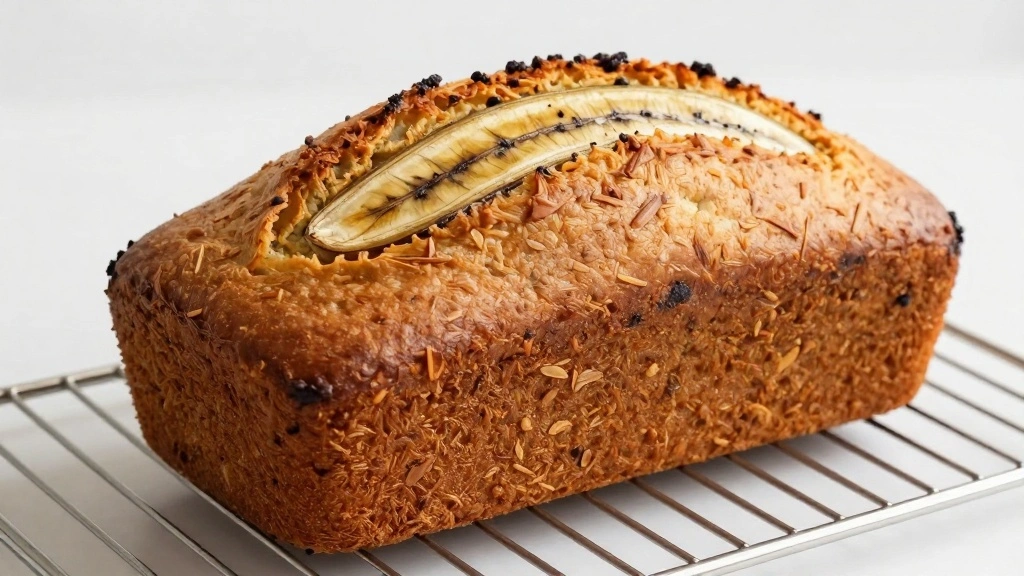
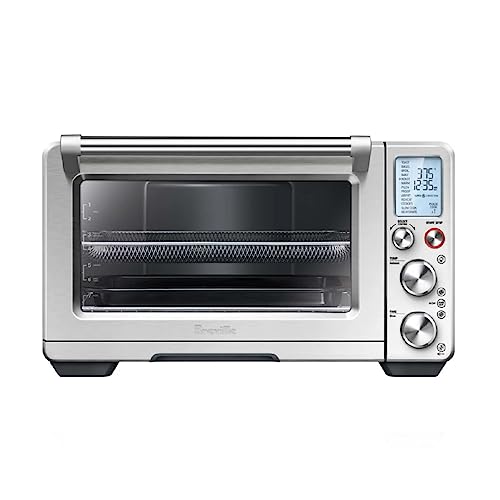
Place the loaf pan in the preheated oven.
Bake for 60 minutes or until a toothpick comes out clean.
Monitor the bread halfway to ensure even baking.
Adjust time if necessary based on oven performance.




Step 8: Cool and Serve
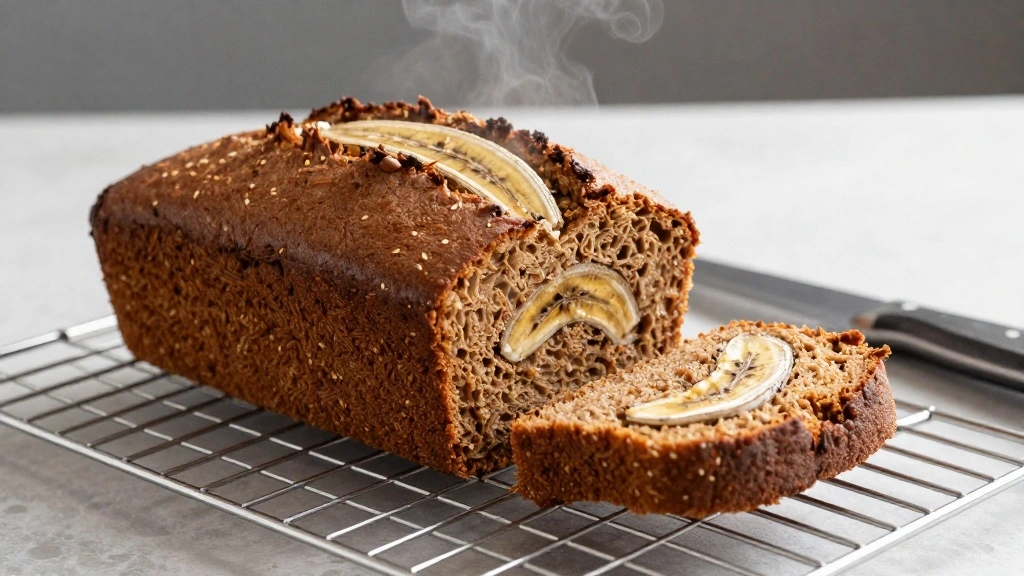
Remove the loaf pan from the oven and let it cool for 10 minutes.
Transfer the bread to a wire rack to cool completely.
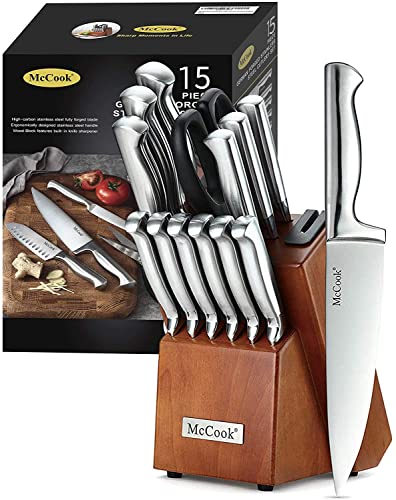
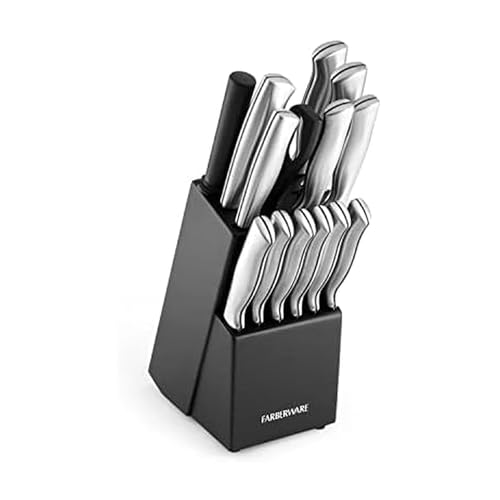
Slice with a serrated knife for clean cuts.
Serve warm or at room temperature.


Critical Timing and Temperature Guide
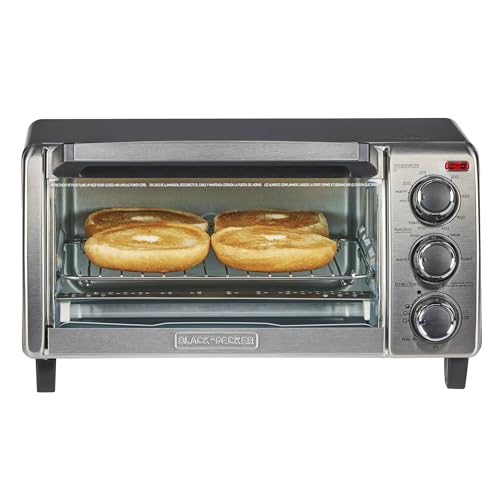
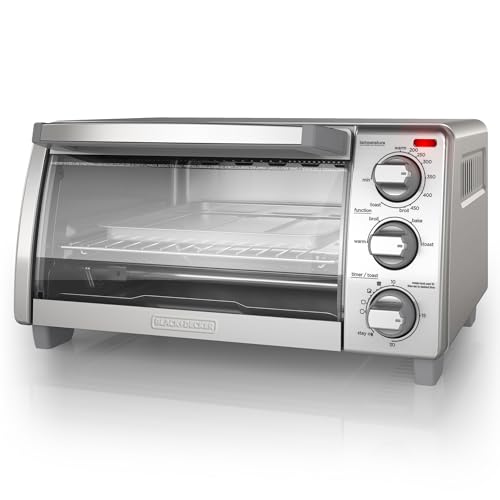
Preheating Oven: Ensure the oven is preheated to 350°F (175°C) for consistent baking. A cold oven can lead to uneven baking and a dense loaf.
Baking Time: Bake for 60 minutes, checking at the 50-minute mark. Insert a toothpick to test doneness; avoid removing the bread too early.
Cooling Period: Allow the bread to cool in the pan for 10 minutes before transferring to a wire rack. Cooling too quickly can cause the bread to crack.



Pro Tips for Award-Winning Banana Bread
• Ingredient Selection: Choose overripe bananas for maximum sweetness and flavor, ensuring they are well-mashed before use.
• Preparation Secret: Let the batter rest for 5 minutes before pouring it into the pan to allow the flour to hydrate thoroughly.
• Temperature Management: Use room temperature ingredients for better integration and a smoother batter.
• Texture Enhancement: Add a tablespoon of yogurt or sour cream for extra moisture and tenderness.
• Flavor Layering: Incorporate a pinch of cinnamon or nutmeg for a warm, spiced undertone that complements the banana.
• Make-Ahead Strategies: Prepare the dry and wet ingredients separately the night before, storing them in airtight containers until ready to combine.
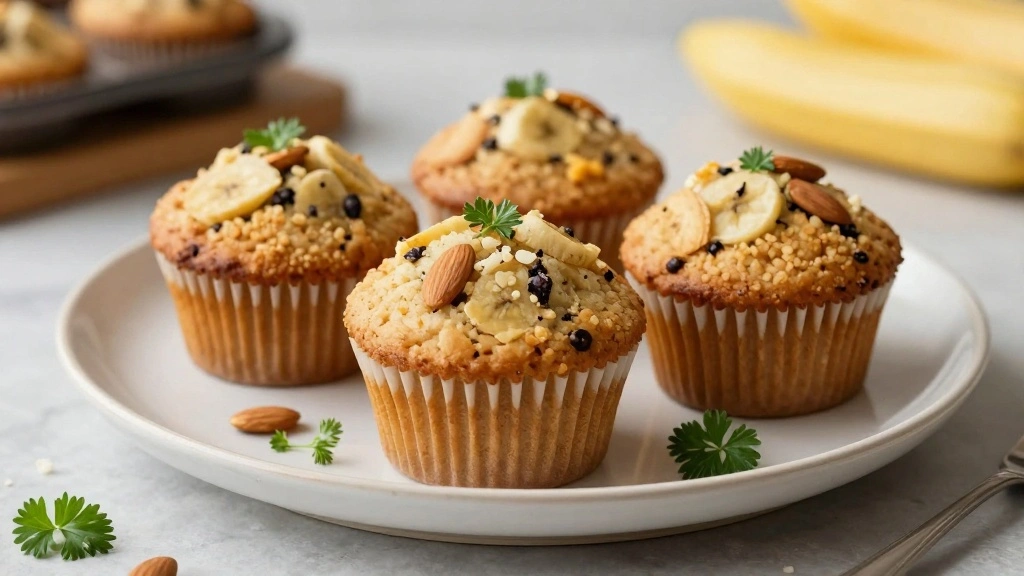
• Restaurant-Quality Finishing Touches: Sprinkle coarse sugar or chopped nuts on top of the batter before baking for added texture and visual appeal.
• Equipment Optimization: Use parchment paper to line the loaf pan for easy removal and clean edges.
Troubleshooting Common Issues
• Texture Too Dense: Overmixing the batter can lead to a dense bread. Fold ingredients gently and avoid overworking the batter.
• Uneven Baking: Check your oven's temperature accuracy with an oven thermometer and rotate the loaf halfway through baking if necessary.
• Sunken Center: This may occur if the bread is underbaked. Ensure the bread is thoroughly cooked by testing with a toothpick.
• Cracked Top: A common result of rapid expansion in the oven. Ensure batter consistency and preheat the oven properly.
• Dry Bread: Overbaking can cause dryness; monitor the baking time closely and test for doneness before the suggested time.
• Flavor Lacking Depth: Ensure ripe bananas are used, and consider adding a hint of spice, such as cinnamon or vanilla, for more complexity.


Variations and Regional Differences
• Hawaiian Style: Includes crushed pineapple and shredded coconut for a tropical twist, often topped with macadamia nuts.
• Southern Style: Incorporates pecans and a hint of bourbon, adding depth and a subtle kick to the flavor profile.
• Chocolate Chip Banana Bread: Adds chocolate chips to the batter, providing a sweet contrast to the banana's natural sweetness.
• Gluten-Free Variation: Uses almond flour and coconut flour as a substitute for all-purpose flour, catering to gluten-sensitive individuals.
Food Science Behind the Recipe
• Leavening Agents: Baking soda reacts with the acidity of the bananas to help the bread rise and become fluffy.
• Maillard Reaction: The browning of the bread's crust is due to the Maillard reaction, where proteins and sugars interact under heat.
• Hydration: Allowing the batter to rest before baking ensures the flour fully hydrates, leading to a more cohesive structure.
Frequently Asked Questions
What's the most common mistake people make when preparing banana bread? Overmixing the batter, leading to a dense texture.
Can I freeze banana bread? Yes, wrap it tightly in plastic wrap and foil, then freeze for up to three months.
How can I ripen bananas quickly? Place them in a brown paper bag with an apple or bake them at 300°F (149°C) for 15-20 minutes.
Can I substitute butter with oil? Yes, but the texture and flavor may differ slightly; use a mild-flavored oil.
How do I make banana bread more moist? Add a tablespoon of yogurt or sour cream to the batter.
What's the best way to store banana bread? Store in an airtight container at room temperature for up to four days.
Can I add nuts or chocolate chips? Absolutely, fold in desired add-ins just before transferring the batter to the loaf pan.
Serving and Presentation Guide
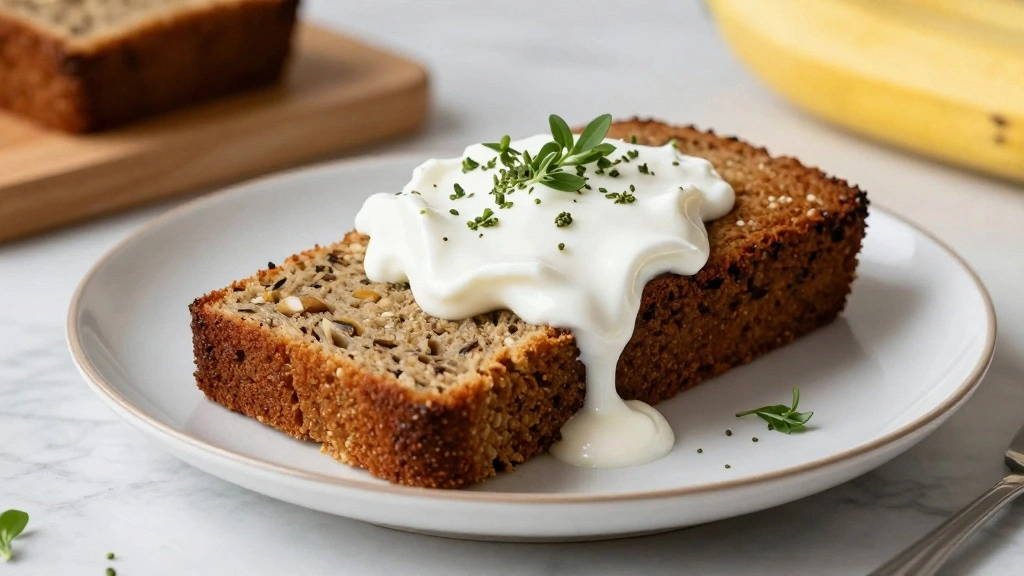
• Traditional Presentation: Served warm, sliced thickly, with a smear of butter or cream cheese.
• Afternoon Tea Style: Cut into smaller, delicate slices and arranged on a tiered serving tray.
• Breakfast Spread: Paired with fresh fruit, yogurt, and coffee for a complete breakfast offering.
• Dessert Option: Topped with a scoop of vanilla ice cream or drizzled with caramel sauce.


Conclusion
Embarking on the journey to make this award-winning banana bread will reward you with a delightful treat.
The ease of preparation and the comforting flavors make it a recipe worth cherishing.
Share this with friends and family to spread the joy of homemade banana bread.