
Like the Greeks at Troy, you need a hot entry. Preheat your oven to 450°F and slide a half-sheet pan inside until it screams.
You will not thaw. You will not crowd. You will space those broccoli florets, cauliflower florets, and green beans in a single layer with room to breathe. Roast 15 minutes, toss with olive oil and salt, then blast 5 to 15 more until edges char.
Best For: Weeknight dinners, meal prep, crispy side dishes.
Frozen vegetables hold water. That water is your enemy. You fight it with heat, space, and patience.
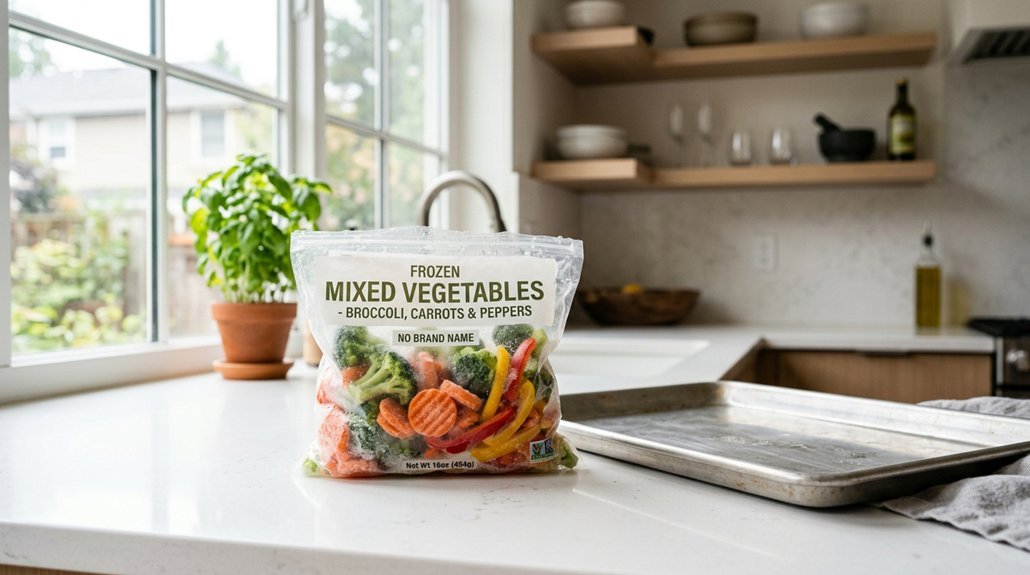
Avoid mixes with carrots and peas; they steam instead of roast. Stick to uniform cuts: 1-inch cauliflower, whole green beans, halved Brussels sprouts.
Best For: Crispy textures, caramelized flavor, minimal cleanup.
You finish with lemon zest, grated Parmesan, or torn parsley. You serve beside salmon, over grains, or straight from the pan.
Soggy results? Blast 5 more minutes at 475°F. You now hold the method. The rest waits below.
Prep Your Pan and Oven for Crispy Frozen Vegetables
Crispy frozen vegetables demand one thing above all else: a screaming hot surface waiting for them.
Heat Your Pan First
Preheat your oven to 450°F. Place your sheet pan inside while the oven heats. You’ll want that pan screaming hot before anything touches it. This step matters more than you’d think.
Choose Your Surface
- Parchment paper: Line your hot pan for easier cleanup. Best for: Busy weeknights when dishes pile up.
- Bare pan: Skip parchment for crisper, browner edges. Best for: Maximum crunch seekers.
Prep Your Vegetables
Toss one pound of frozen veggies with two tablespoons olive oil and salt in a large bowl. You’re not thawing anything. Spread them onto that hot pan in a single layer. Maintain even spacing. Crowding steams; space crisps.
Now you’re ready.
Recommended Products

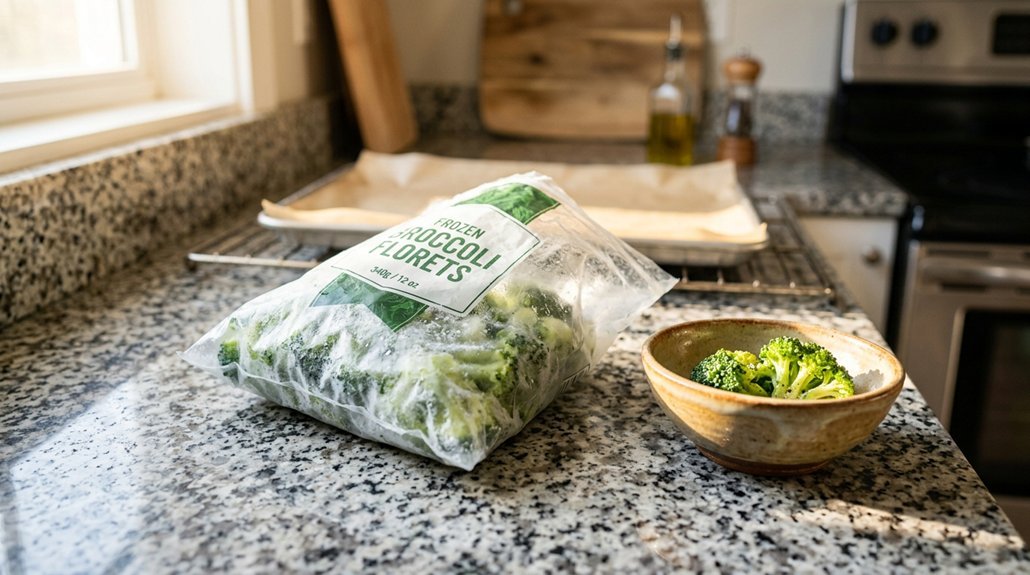
One 12-ounce bag of Frozen Broccoli Florets

Brought to you by Whole Foods Market. The packaging for this product has a fresh new look. During this transition, you may get the original packaging or the new packaging in your order, but the product and quality is staying exactly the same. Enjoy!

One 32 ounce bag of Frozen Broccoli Florets
Roast Frozen Vegetables in 15–30 Minutes Without Thawing
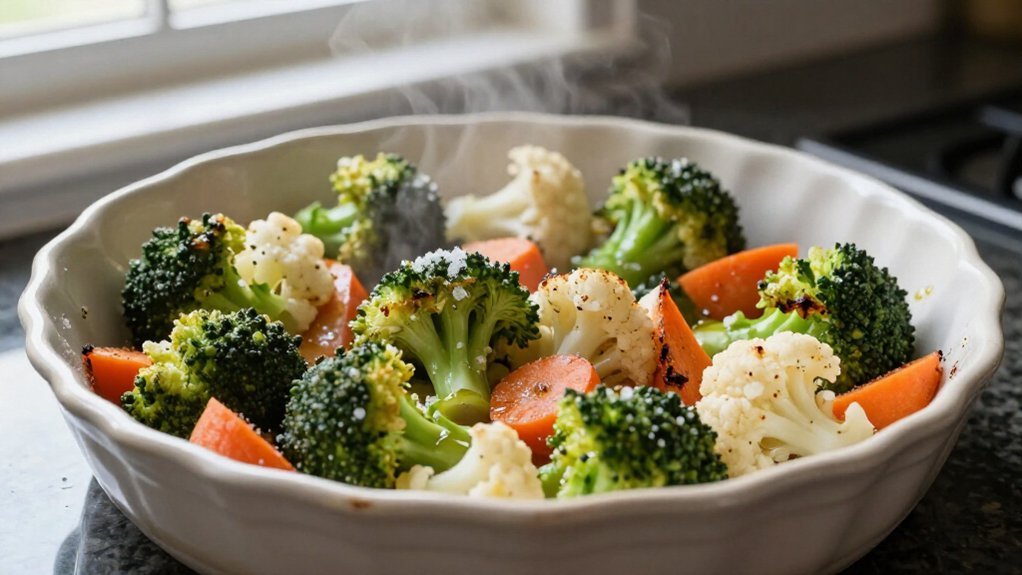
In just 15 to 30 minutes, you can pull roasted vegetables from your freezer to your table without a single minute of thawing.
Roasting frozen vegetables with no thawing works best with high heat. You’ll start by preheating your oven to 425–450°F. Place your hot, lightly oiled sheet pan inside while it heats.
Spread your frozen vegetables in a single layer. Don’t crowd them. Let them roast for 15 minutes first.
Then you’ll toss them with oil and seasonings. Return them to the oven for 5 to 15 more minutes until the edges turn crispy.
- Preheat your pan at 425–450°F for even browning.
- Spread in a single layer to avoid steaming.
- Season after 15 minutes so flavors stick without burning.
- Watch for crispy edges and pull when done.
Finish with parmesan or fresh herbs if you’d like.
Recommended Products
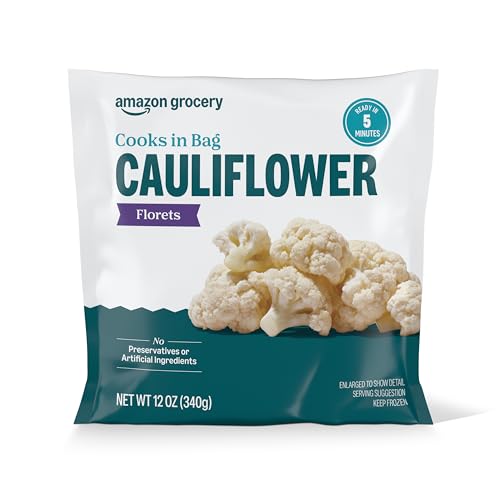
One 12 ounce bag of Frozen Cauliflower Florets

Brought to you by Whole Foods Market

WHAT'S INSIDE: 12 ounces of frozen riced cauliflower
Choose the Best Frozen Vegetables for High-Heat Roasting
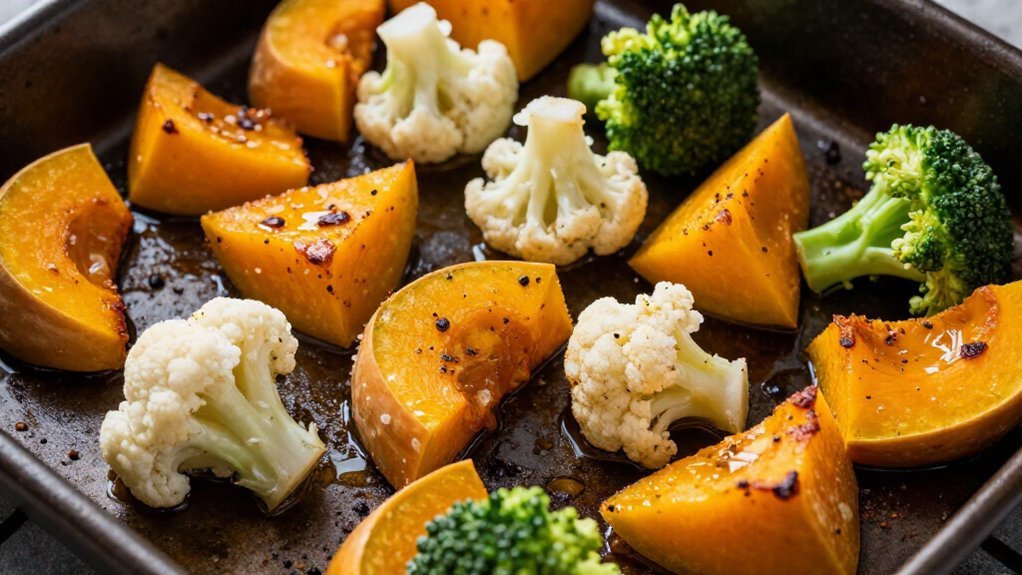
You’ll want to pick vegetables that actually thrive under intense heat, not just survive it. Broccoli, cauliflower, Brussels sprouts, and butternut squash develop crispy edges and deep flavor in the oven, while delicate greens wilt into a watery mess.
Match your cooking time to each vegetable’s density: thick florets need 20–25 minutes, but hearty roots like beets or sweet potatoes require closer to 30.
Recommended Products

Brought to you by Whole Foods Market

One 10.8 oz bag of Birds Eye Steamfresh Brussels Sprouts Frozen Vegetable

Item Package Length: 5.08cm
Best Vegetable Types
Which frozen vegetables actually turn out crisp instead of soggy when you blast them with high heat? You’ll want to favor sturdier, high-heat tolerant options. Not all frozen vegetables handle roasting equally.
Stick with these winners for best results:
- Broccoli and cauliflower florets: These develop real browning and crisp edges at 450°F in 15–25 minutes. Keep them in a single layer.
- Brussels sprouts: Halved or whole, they caramelize beautifully under high heat.
- Carrots and butternut squash: Root vegetables take longer but reward you with deep, nutty flavor.
- Corn and peas: These cook faster and caramelize well, though you’ll need shorter times than roots.
Avoid water-heavy mixes and ice-clumped packages. Break up clumps before they hit the pan.
Size and Thickness
Why does the same batch of frozen vegetables come out half-burnt and half-raw? You’ve mismatched your size and thickness.
What to Look For
Choose frozen vegetables cut to similar sizes and thicknesses. This ensures even roasting across every piece. Reach for florets like broccoli or cauliflower, or sliced roots such as carrots and squash. These cook evenly from frozen in 15 to 25 minutes at high heat.
What to Avoid
Don’t toss tiny peas onto the same pan with dense sweet potato chunks. The peas char while the potatoes stay hard. If you must use a mixed bag, check that every piece measures roughly 1 to 2 inches in its largest dimension. Uniform sizing creates consistent browning and proper texture throughout.
Best For
Single cuts work better than blends. You’ll get reliable results without babysitting the oven.
Spread pieces in a single layer with space between them. Preheat your sheet pan to maximize caramelization and prevent steaming.
Season Before Roasting and Finish With Fresh Flavors
How do you turn a bag of frozen vegetables into something you’d actually want to eat? You season, roast, and hit those frozen veggies with finishing flavors that wake everything up.
Season Before You Roast
Start by tossing frozen veggies with olive oil and salt. Add roasted veggie seasoning for your base flavor core. Roast at 450°F for 15–25 minutes until edges brown. That’s where the magic happens.
Halfway through, toss them and re-spread in a single layer so crispness hits every piece.
4 Ways to Build Flavor
- Oil and salt first: Coat evenly before the heat hits.
- Mid-roast toss: Redistribute seasonings for full coverage.
- Garlic boost: Add garlic powder or minced garlic during roasting.
- Fresh finish: Hit hot veggies with lemon zest, Parmesan, or herbs right out of the oven.
Recommended Products
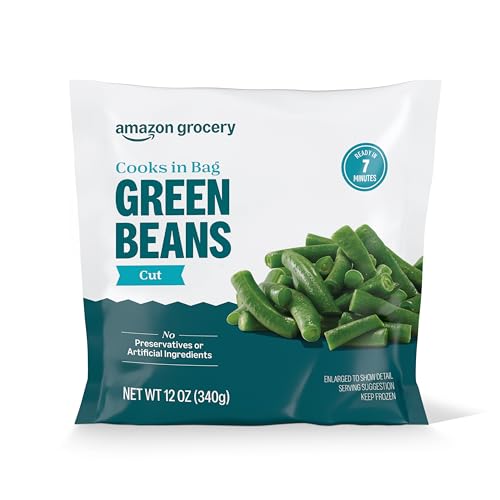
One 12 ounce bag of Frozen Cut Green Beans

Brought to you by Whole Foods Market

365 by Whole Foods Market products give you that dance-down-the-aisles feeling, virtual aisles too! Our huge range of choices with premium ingredients at prices you can get down with makes grocery shopping so much more than tossing the basics in your cart.
Serve Roasted Frozen Vegetables as Sides or Meal Bases
You can turn roasted frozen vegetables into a time-saving meal prep staple by cooking a double batch on Sunday and storing portions for the week ahead. They work as nutrient-packed side dishes when you pair them with grilled chicken or baked salmon. You’ll get the most benefit by choosing single-vegetable options like broccoli or cauliflower florets that roast evenly at the same rate.
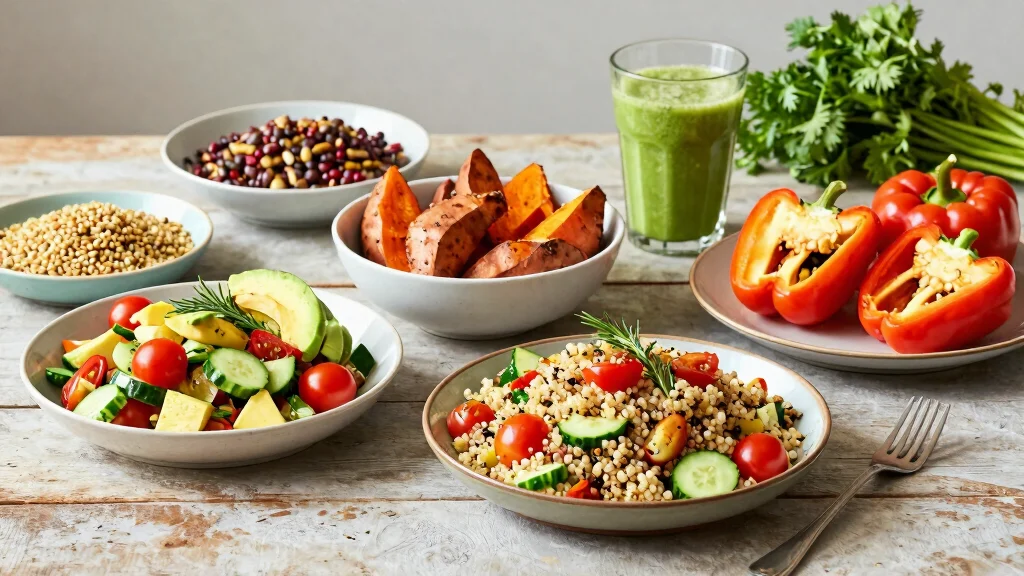
For customizable bowl building, layer your crispy roasted veggies over ½ cup cooked quinoa or brown rice. Add toppings like a fried egg, tahini drizzle, or crumbled feta to build a complete lunch in under five minutes.
Best For: Busy weeknights, packed lunches, and flexible meal planning
- Time-Saving Meal Prep: Roast two sheet pans at once, cool completely, and divide into airtight containers for 4–5 days of ready-to-eat vegetables
- Nutrient-Packed Side Dishes: Serve 1 cup alongside any protein for a low-effort vegetable serving that beats steamed or boiled options for flavor
- Customizable Bowl Building: Start with a grain base, add 1 cup roasted vegetables, choose a protein, and finish with sauce for many combinations
Best For: Busy weeknights, packed lunches, and flexible meal planning
Recommended Products
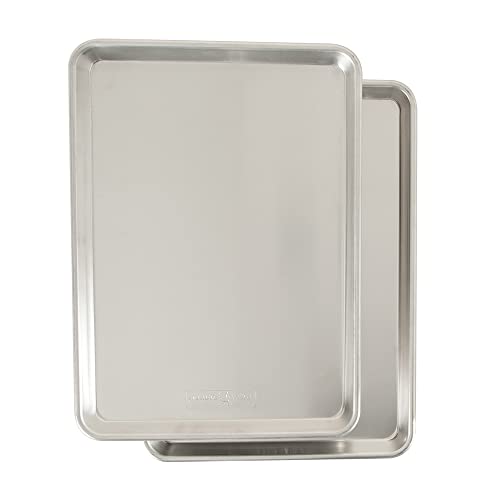
Naturals bakeware is made of pure aluminum for superior heat conductivity and produces consistently evenly browned baked goods every time.
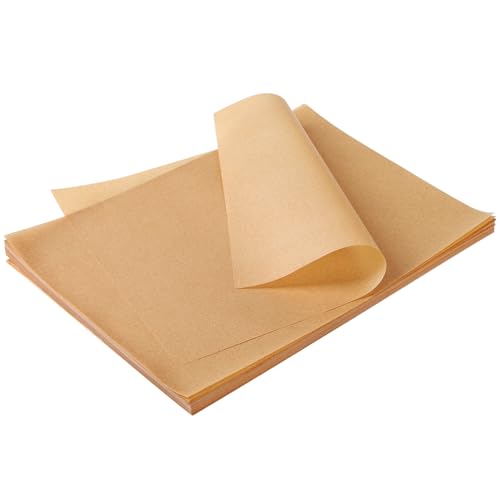
Cost-Effective: 200 sheets of 9" x 13" parchment paper, perfect for everyday gatherings and home use, the perfect size makes the cooking and baking experience in the kitchen easier and more convenient, no more curly edges.

Naturals bakeware is made of pure aluminum for superior heat conductivity and produces consistently evenly browned baked goods every time.
Time-Saving Meal Prep
What’s stopping you from getting dinner on the table in 20 minutes flat? You can master meal prep by roasting frozen veggies without thawing. Spread seasoned frozen veggies directly on a preheated sheet pan. Roast until edges turn golden and crisp.
Batch out multiple varieties at once. Use separate pans for broccoli, cauliflower, and carrots to avoid crowding. This guarantees even crisping every time.
You can portion roasted batches into airtight containers. Store them for up to 4 days. Reuse these components for quick meals all week.
Boost flavors with olive oil, salt, garlic powder, and lemon zest. These simple additions make your veggies into great bases for multiple meals.
- Preheat your sheet pan for faster, crisper results.
- Roast similar-sized frozen veggies together for even cooking.
- Store portions in glass containers for easy reheating.
- Build bowls, pastas, or stir-fries from your prepped stash.
Nutrient-Packed Side Dishes
Why leave nutrition on the table when frozen vegetables can deliver fiber, vitamins, and minerals in minutes?
Roasting Frozen Vegetables as Sides
Start with high-heat roasting at 450°F. Spread frozen veggies in a single layer on parchment-lined sheets. Toss with olive oil and a pinch of salt. You’ll preserve texture and maximize browning, which makes nutrition taste better.
Best For: Balanced plates alongside grilled chicken, baked fish, or tofu.
You balance meals with fiber, vitamins, and minerals without extra work. Fat-soluble vitamins absorb better with that drizzle of olive oil.
Meal Base Options
Sauté roasted veggies with cooked quinoa or brown rice. Finish with fresh herbs or lemon. Mix broccoli, cauliflower, and carrots for kid-friendly prep that keeps all week.
Best For: Lunch bowls, quick dinners, and meal prep containers you grab on busy mornings.
Customizable Bowl Building
I’ve mastered roasted frozen vegetables as sides, but I’ve found they’re even more powerful as bowl foundations. You can build a customizable bowl in minutes when you keep roasted frozen vegetables ready in your fridge.
Best For: Quick weeknight dinners and meal prep.
Start with a base of quinoa, rice, or greens. Add your roast frozen vegetables. Season with salt before roasting, then layer in chickpeas or grilled chicken. Finish strong with toppings and add-ins.
- Pick your base: Quinoa, rice, or mixed greens work best.
- Choose your veggies: Use one type or a matched mix like broccoli and cauliflower for even cooking.
- Add protein: Toss in chickpeas, chicken, or black beans.
- Top it off: Drizzle tahini, pesto, or lemon juice. Sprinkle Parmesan or fresh herbs.
Portion ahead for fast meals all week.
Fix Soggy Vegetables and Other Common Roasting Problems
How can you tell when frozen vegetables have crossed from perfectly roasted into disappointingly soggy territory? They steam instead of sizzle, and your sheet pan pools with liquid. Here’s how you fix it.
Prevent the Problem
Start roasting with a screaming hot pan. Don’t line with parchment if you want maximum browning, or use it only for easier cleanup with a trade-off in crispness. Spread vegetables in a single layer with real space between pieces. Overcrowding guarantees soggy results.
Salvage Soggy Veggies
Pat ice off clumps before they hit the pan. Roast longer in 5 to 10 minute bursts, flipping halfway through. Finish with a final blast at high heat to re-crisp edges. You rescue texture without starting over.
Recommended Products

Brought to you by Whole Foods Market

One 10.8 oz bag of Birds Eye Steamfresh Broccoli Florets Frozen Vegetable

One 14 oz bag of Birds Eye Oven Roasters, Seasoned Broccoli and Cauliflower Frozen Vegetables